World
Rescued Everest climber survives six days alone, sparks rescue probe
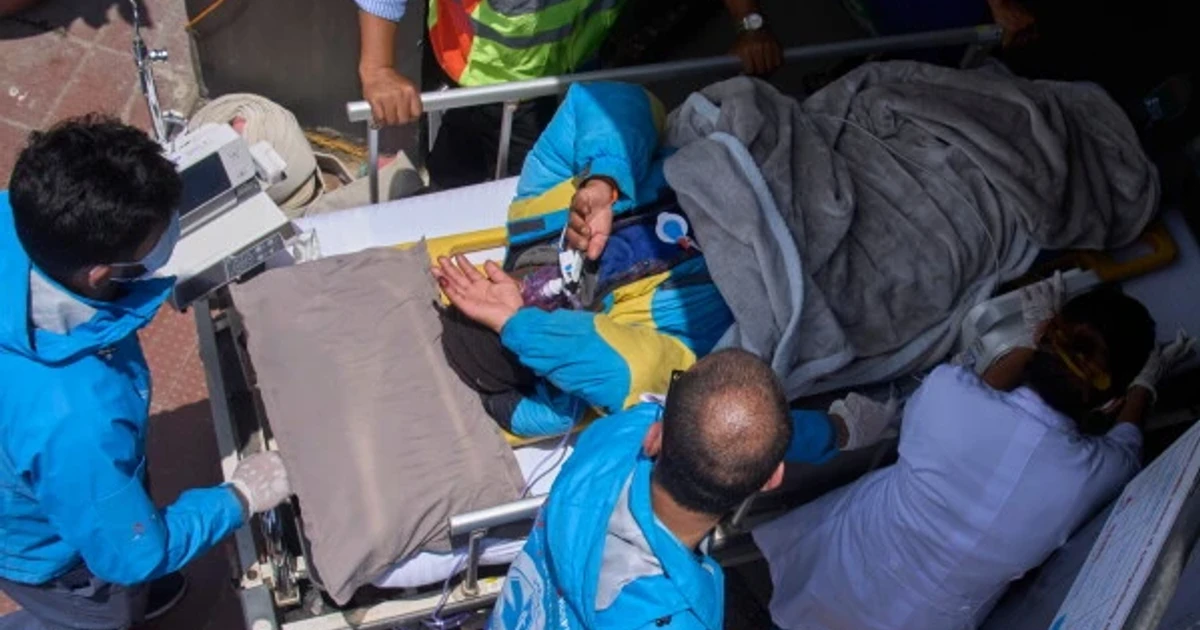
Dawa Sherpa spent six days alone on Everest after becoming separated from his group near the Yellow Band above Camp III, and his rescue has reopened hard questions about how much help climbers can expect once the mountain turns hostile. He was airlifted to Kathmandu after being found crawling toward Everest Base Camp on the morning of June 4, with doctors treating him for frostbite, severe dehydration and a fractured thigh bone.
Sherpa disappeared on May 30 during one of the last climbs of the spring season, when the mountain’s fixed infrastructure begins to disappear and movement becomes more dangerous. He was found by a Sagarmatha Pollution Control Committee team, the Nepali group that helps set routes and clean up waste on Everest, after days in which family members had already begun funeral rituals. Once he reached hospital care in Kathmandu, he was moved from intensive care to a ward and was able to speak and eat a little while recovering.
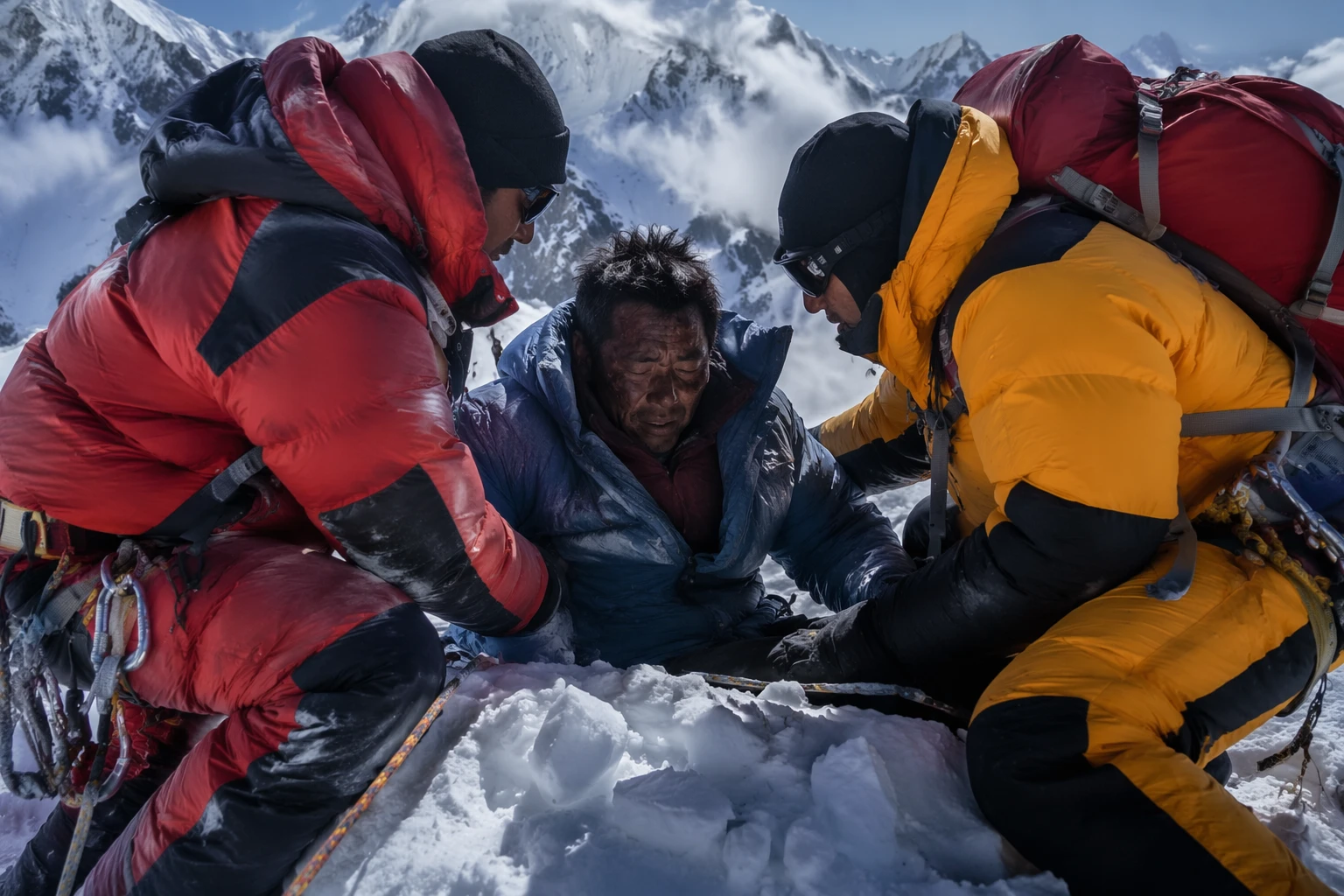
His account has made the ordeal even more striking. Sherpa said he survived by chewing ice and eating a few chocolates and snacks from his pockets. He described falling into a crevasse and then escaping after an avalanche filled the crack with snow, allowing him to climb out. He later found fixed ropes and continued descending toward base camp. Accounts from the rescue said he was alone for about six days, with one report saying he went seven days without food or oxygen.
The rescue has also sharpened scrutiny of decision-making and delayed response at altitude. Fellow climbers celebrated his survival, but his family and members of the mountaineering community said the effort came too slowly. The Nepal Mountaineering Association has called for a government committee to investigate the incident, while the Everest Summiteers Association said there had been negligence in Sherpa’s case.
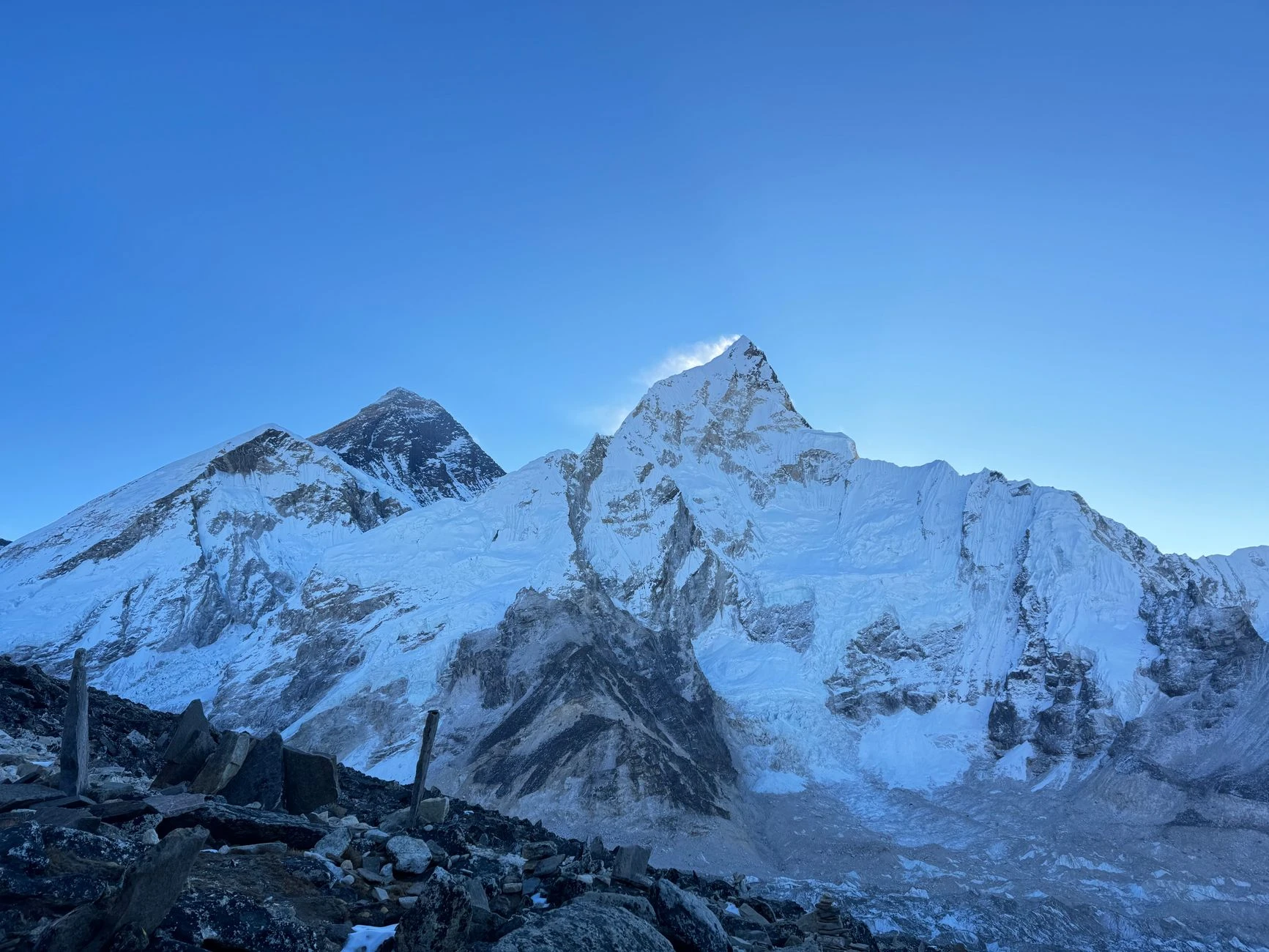
The story lands at a dangerous moment for Everest’s spring season, when the climbing economy pushes more people toward the highest camps even as the mountain becomes less forgiving. Near the end of the season, ropes and ladders are removed from the Khumbu Icefall, making the route even more hazardous for anyone still moving above base camp. Sherpa’s survival is extraordinary, but it also exposes the narrow margin between adventure and abandonment on the world’s highest peak.