Health
Researchers probe why so many babies in Karachi’s Rehri Goth are born early
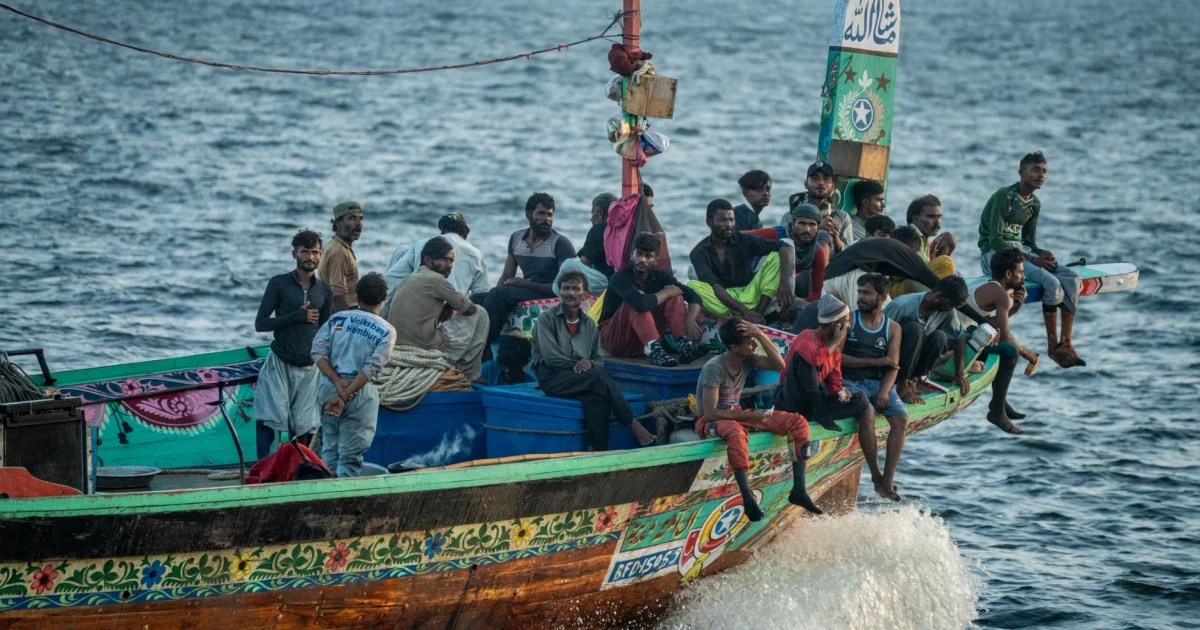
About 1 in 4 babies in Rehri Goth are born prematurely, a rate that has turned the fishing settlement on Karachi’s outskirts into a test case for why some communities keep seeing the worst birth outcomes.
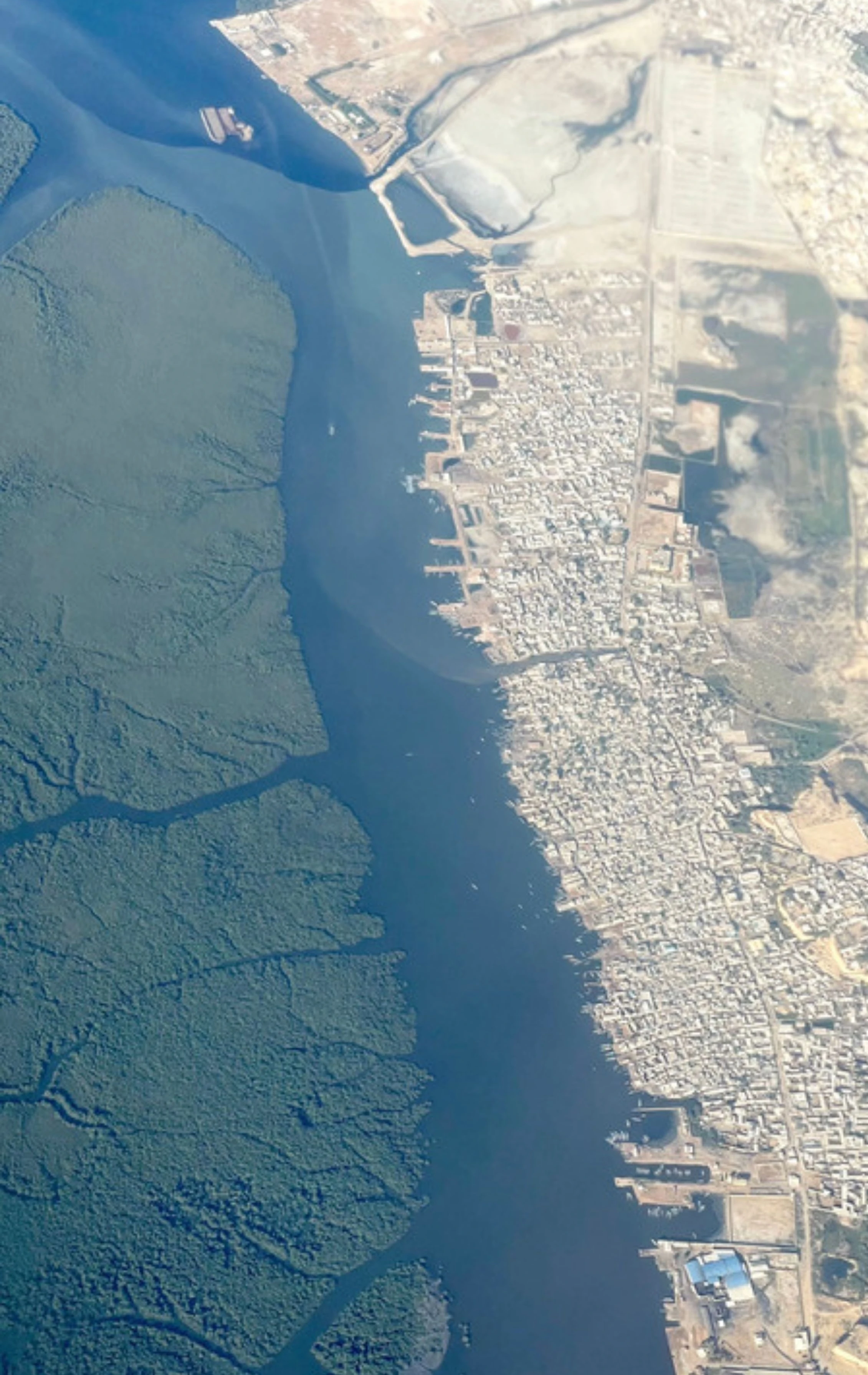
Rehri Goth is an impoverished peri-urban community with more than 60,000 residents, and baseline surveys there in 2012 and 2013 found neonatal mortality at 57 deaths per 1,000 live births and under-5 mortality at 107 deaths per 1,000 live births. Those figures show the scale of the problem long before the current focus on preterm birth, and they help explain why VITAL Pakistan Trust describes the area as one that pushed the group toward a broader intervention model.
The newest clue points inside the body. In July 2026, a Pakistani study highlighted by NPR linked lower levels of Prevotella copri in pregnant people’s microbiomes with a greater chance of preterm birth. Researchers called the finding a “Eureka moment,” because it suggested that a single bacterium in the colon could help signal whether a baby would reach full term. The work added a biological layer to a problem that has often been discussed only in terms of poverty or access to care.
But the microbiome is only one part of the picture. A separate study of nearly 47,000 births in four Pakistani cities found that extreme heat during pregnancy had, at most, only a small and negligible connection to premature birth. That result makes temperature alone an unlikely explanation for a country that has faced some of the world’s highest preterm-birth rates. A 2012 global report ranked Pakistan fourth in premature births.
The broader backdrop remains stark. UNICEF Pakistan says complications from preterm birth are one of the main causes of under-5 child mortality in the country. In Karachi’s urban slums, research published in PLOS One and indexed in PMC has also underscored continuing problems with stillbirths and neonatal deaths, reinforcing the idea that maternal health access, sanitation, and weak infrastructure can interact to push babies into danger before they are even born.

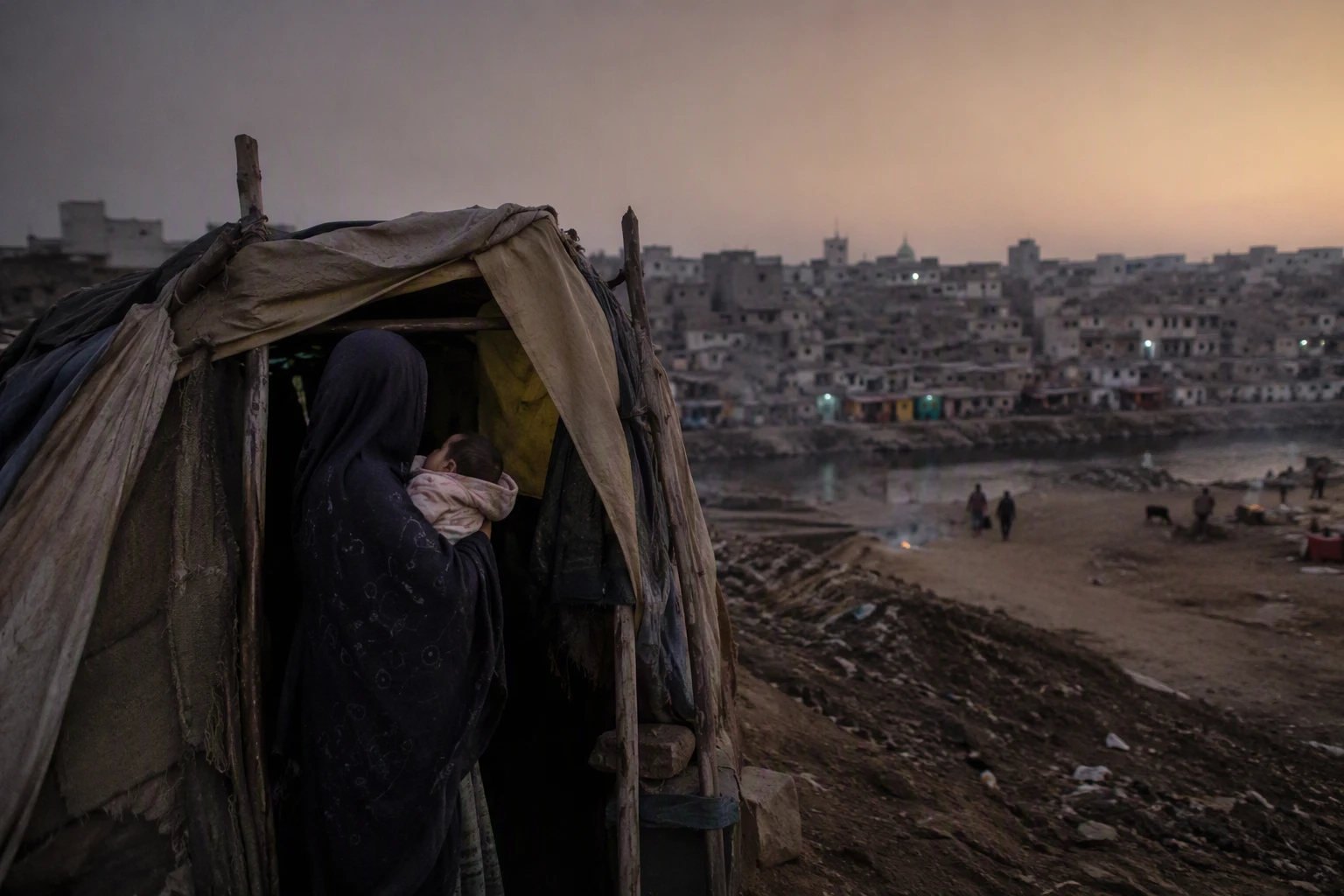
Rehri Goth has become important because it concentrates those risks in one place. The settlement’s poverty, sanitation problems, and poor maternal-child health outcomes make it a hard but revealing case for researchers trying to identify which interventions can actually lower premature births, and which explanations are too simple for a problem this entrenched.
Sources
- [1]npr.org
- [2]dawn.com
- [3]vitalpakistantrust.org
- [4]devex.com
- [5]unicef.org
- [6]journals.plos.org