Science
Researchers Shed Light on Tyrannosaurus Rex’s Small Arms
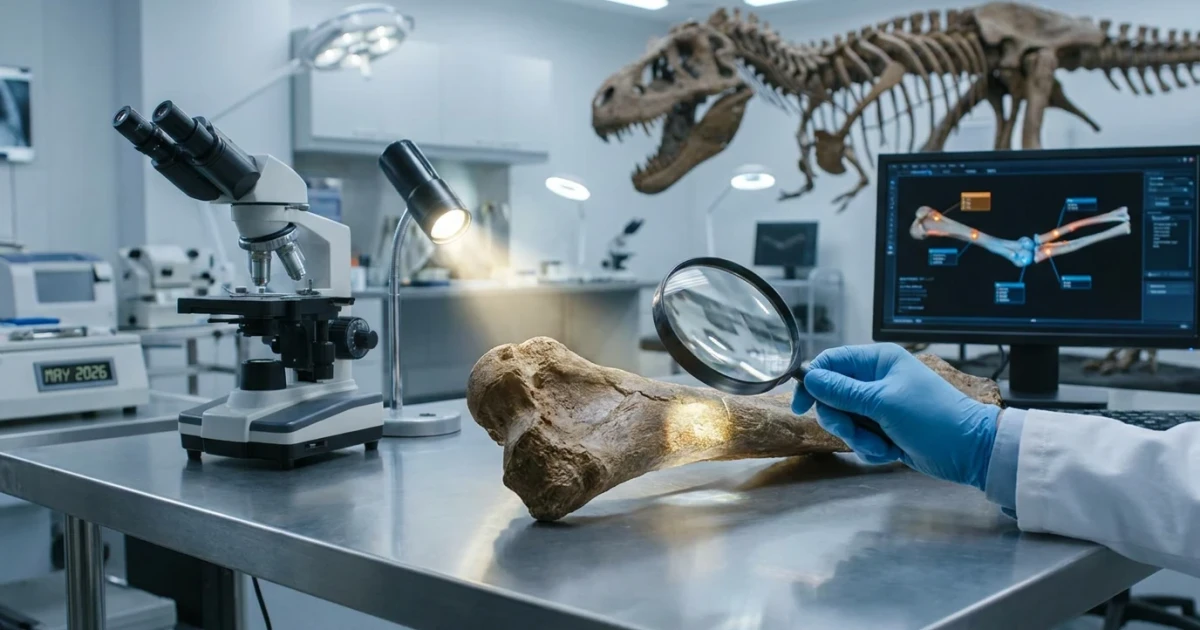
Tyrannosaurus rex, one of the most iconic dinosaurs, has long puzzled scientists and the public alike with its tiny forelimbs relative to its massive body. Recent research, highlighted by CNN, suggests that paleontologists may finally have an answer to this enduring mystery, advancing our understanding of the famous predator’s evolution and behavior.
The Tiny Arm Enigma
The Tyrannosaurus rex stood up to 40 feet in length and weighed between 7 and 8 tons, yet its arms measured just about 3 feet long—less than 10% of its body length. This extreme disproportion has led to decades of speculation among paleontologists. CNN’s coverage noted that meat-eating dinosaurs like T. rex and its relatives shared this characteristic, raising questions about the evolutionary pressures behind the trait.
New Hypotheses from Recent Studies
According to paleontologists cited by CNN, the latest research suggests that T. rex’s arms may have shrunk over evolutionary time not because they were useless, but because smaller limbs conferred certain survival advantages. One theory proposes that as T. rex grew larger and more dominant, its powerful jaws became the primary weapons for hunting and feeding, rendering large arms unnecessary.
- Small arms reduced injury risk during feeding frenzies with other T. rex individuals.
- Forelimb reduction may have prevented accidental bites or damage from rival dinosaurs.
- Evolution favored jaw strength and head size over arm function in predatory behavior.
These ideas are supported by functional morphology studies comparing T. rex’s forelimb anatomy to other theropods. The findings indicate that while the arms were small, they were still muscular and could have played a role in grasping prey or helping the animal rise from the ground.
Comparative Evidence Across Theropods
The reduction of forelimbs is not unique to T. rex. Other large carnivorous dinosaurs, such as Gorgosaurus and Albertosaurus, also displayed similar limb proportions. Comparative analysis from multiple fossil records, as referenced in the Paleobiology Database, shows a trend in large theropods toward smaller arms as body size increased. This evolutionary pattern suggests a broader adaptation linked to predatory lifestyles dominated by powerful jaws.
Functional Role and Evolutionary Trade-Offs
Despite their size, T. rex’s arms were not entirely vestigial. As CNN noted, paleontologists emphasize that the limbs retained strong muscles and may have been useful for specific tasks, such as holding onto mates during reproduction or aiding in standing up. However, the primary adaptation was a shift toward head-based predation, with the arms relegated to secondary functions.
What This Means for Dinosaur Science
The resolution of the tiny arm mystery helps clarify how Tyrannosaurus rex and its relatives evolved to become apex predators. As more fossil evidence is studied and new analytical techniques are applied, paleontologists continue to refine their understanding of dinosaur anatomy and behavior.
The ongoing research demonstrates the value of integrating anatomical data, fossil records, and evolutionary theory to answer questions that have fascinated both scientists and the public for generations. While some aspects of T. rex’s biology remain under investigation, the mystery of its tiny arms is now much closer to being solved.