Health
Researchers Trace Marburg Virus Risks to Uganda’s Python Cave
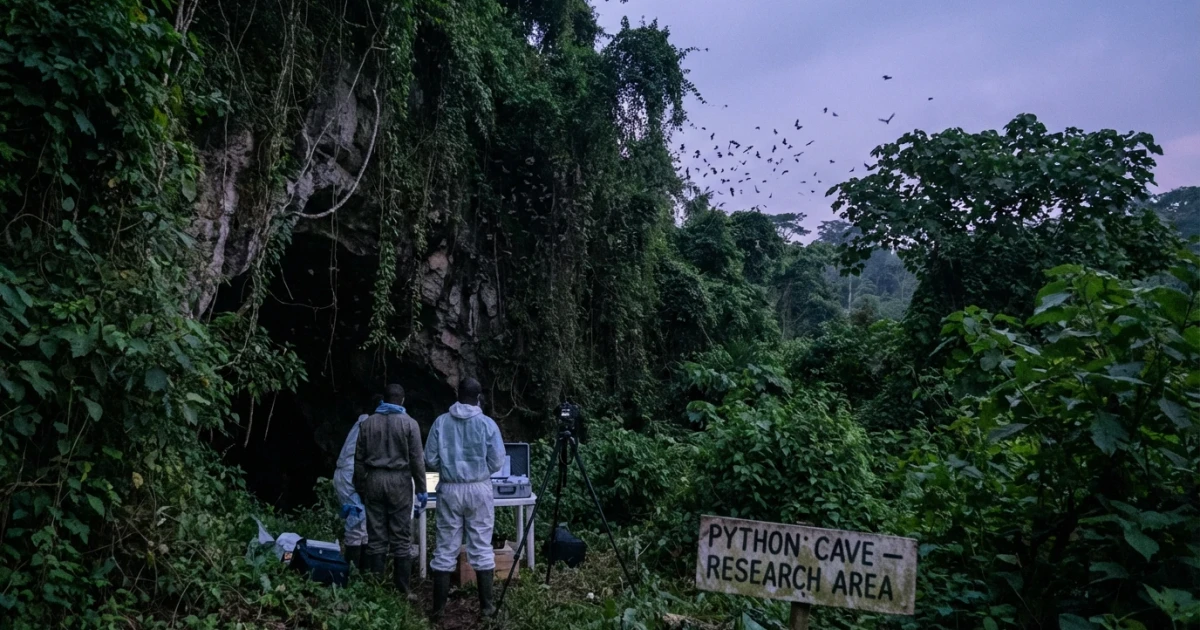
Uganda’s Python Cave in Queen Elizabeth National Park has become a focal point for scientists investigating the origins of Marburg virus disease, a highly lethal illness closely related to Ebola. Recent research underscores how human intrusion into this bat-filled cave may set the stage for future outbreaks.
The Connection Between Bats and Marburg Virus
Marburg virus is a rare but deadly pathogen that causes hemorrhagic fever in humans, with case fatality rates ranging from 24% to 88% in recorded outbreaks. The virus’s main reservoir is the Egyptian fruit bat (Rousettus aegyptiacus), which roosts in large colonies inside caves such as Python Cave. Researchers, as highlighted in coverage from Phys.org and Popular Science, have found that these bats can carry Marburg virus without showing symptoms, making them a persistent natural source of infection.
Human Trespass and Outbreak Risks
Despite warnings, people continue to venture near or into Python Cave—sometimes for tourism or, as reported, for hunting bats or mining guano. This increases the risk of direct contact with bat droppings, urine, or even bites. Such interactions are believed to have sparked previous outbreaks, according to peer-reviewed research on Marburg outbreaks and their lessons. Investigators note that most initial human infections can be traced back to individuals who had entered bat-inhabited caves or mines.
- Python Cave houses thousands of Egyptian fruit bats, identified as the primary reservoir for Marburg virus.
- Humans can contract the virus through exposure to bat secretions or by inhaling aerosolized particles in the cave environment.
- After initial transmission, the virus can spread from person to person via close contact with bodily fluids.
Tracking Outbreaks and Epidemiological Insights
Uganda has experienced several Marburg outbreaks, with the largest in 2017 and subsequent events in later years. According to the CDC's outbreak table, these incidents have often been linked to miners or tourists who visited bat-inhabited caves. The World Health Organization and Uganda’s Ministry of Health have repeatedly emphasized the importance of avoiding such caves to prevent new transmission chains.
Recent research from the Python Cave region has provided valuable ecological and virological data, confirming the presence of Marburg virus RNA in bats even during periods without human cases. This persistent viral circulation in bats highlights the potential for future outbreaks if human–bat contact is not minimized.
Prevention and Public Health Strategies
Efforts to reduce outbreak risks include restricting access to high-risk caves, educating local communities about the dangers of bat exposure, and enhancing surveillance for hemorrhagic fevers. The CDC and WHO offer guidelines for travelers and local residents, emphasizing the importance of avoiding caves and reporting suspicious illnesses promptly.
- Increased surveillance and rapid response to suspected cases have helped contain outbreaks in Uganda.
- Public health messaging focuses on the dangers of entering caves like Python Cave without proper protection.
- Ongoing research monitors bat populations and viral presence to anticipate potential spillover events.
Looking Ahead
While researchers continue to study the ecology of Marburg virus and its bat hosts, the situation at Python Cave serves as a vivid reminder of the delicate balance between humans and wildlife. As scientists and health officials warn, preventing future outbreaks depends on limiting risky interactions and maintaining robust surveillance around known hotspots. The lessons from Python Cave highlight both the ongoing threat and the opportunity for prevention through informed public health action.