Health
Researchers Turn to Cats in Quest for Cancer Insights
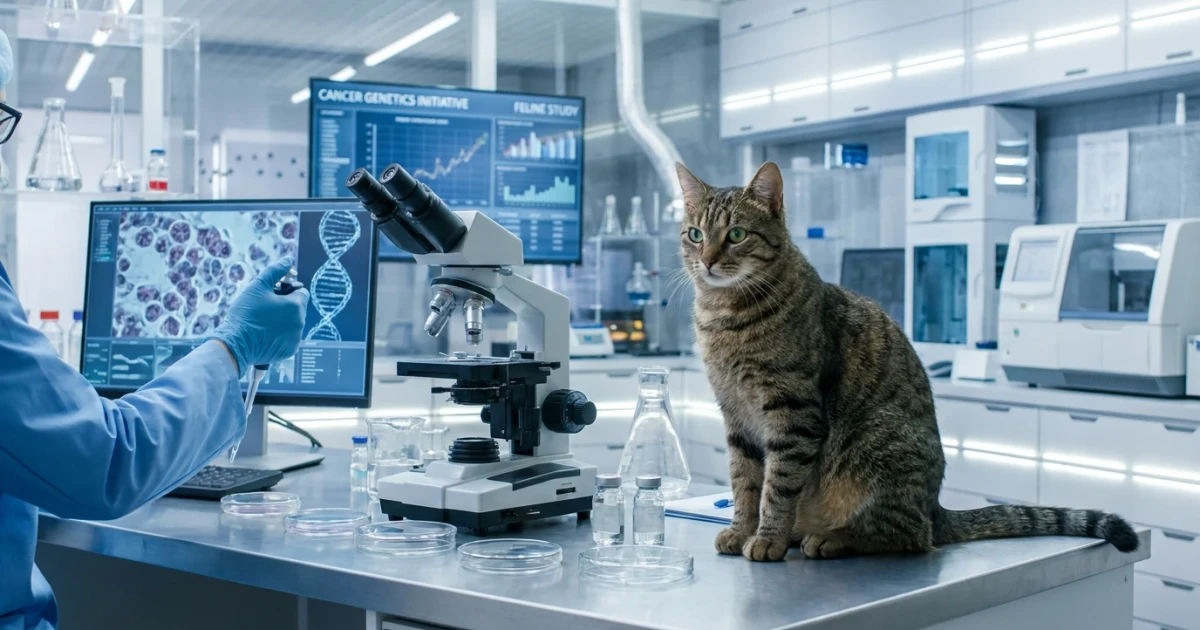
House cats are emerging as valuable allies in the fight against cancer, as scientists increasingly look to feline genetics to better understand the disease and develop potential new treatments for humans. Recent research highlighted by The Washington Post points to the close genetic and biological similarities between cats and humans, opening new doors for comparative oncology.
Why Cats Are of Interest to Cancer Researchers
Domestic cats, like humans, can develop a range of spontaneous cancers. Unlike laboratory mice, which are typically engineered to develop specific tumors, cats experience cancers that arise naturally in their bodies, often mirroring the complexity and diversity of human cancers. This makes them particularly relevant for studying the genetic and environmental factors that drive cancer development and progression.
Researchers have documented that certain types of cancer, such as lymphoma, mammary carcinoma, and squamous cell carcinoma, are prevalent in both cats and humans. The Cornell Feline Health Center notes that lymphoma is one of the most common cancers in cats, similar to its high incidence in people. This overlap provides a unique opportunity to study how genetic mutations and environmental exposures contribute to cancer across species.
Genomic Sequencing Projects Advance Feline Cancer Research
Large-scale initiatives like the 99 Lives Cat Genome Sequencing Initiative are mapping the genomes of hundreds of domestic cats, creating a rich database of genetic variants. This resource enables scientists to pinpoint mutations associated with cancer in cats and compare them to those found in humans. The NCBI Felis catus Annotation Release 105 provides a comprehensive annotation of the cat genome, supporting the discovery of cancer-related genes shared between species.
These comparative studies are helping researchers identify conserved pathways—biological systems that are similar in both cats and humans—which can be targeted for therapy. According to analysis in ScienceDaily, scientists believe that understanding these shared mechanisms could lead to the development of more effective cancer treatments for people.
Linking Feline and Human Cancer: What the Data Shows
- Both cats and humans frequently develop lymphoma and mammary tumors.
- Cats’ spontaneous cancers often share genetic mutations with human cancers, such as changes in tumor suppressor genes.
- Some feline cancers progress and respond to treatment in ways that closely resemble their human counterparts, making them ideal for studying drug effects.
Comparative oncology, as detailed in a peer-reviewed study, is a growing field that leverages these similarities. The approach aims to accelerate discoveries that benefit both animal and human health, with cats serving as a vital bridge between lab models and clinical trials with people.
Clinical Trials and Future Directions
Active studies listed in the AVMA Animal Health Studies Database are exploring new cancer therapies in cats, including immunotherapies and targeted drugs. The outcomes of these trials could inform human research, especially for cancers that are rare or difficult to study in people.
With cancer remaining a leading cause of death in both species, as tracked by the National Cancer Institute, researchers are optimistic that studying house cats will yield insights into tumor biology, early detection, and innovative treatments. As genomic and clinical data accumulate, the role of cats in cancer research is expected to expand, offering hope for breakthroughs that could save lives on both sides of the species divide.
Looking Ahead
While more work is needed to translate findings from feline studies directly into human therapies, the momentum behind comparative oncology is growing. As The Washington Post and ScienceDaily report, scientists believe that cats—long valued as companions—may also become key contributors to one of medicine’s greatest challenges: understanding and defeating cancer.