World
Residents challenge Britain’s approval of China’s London embassy plan
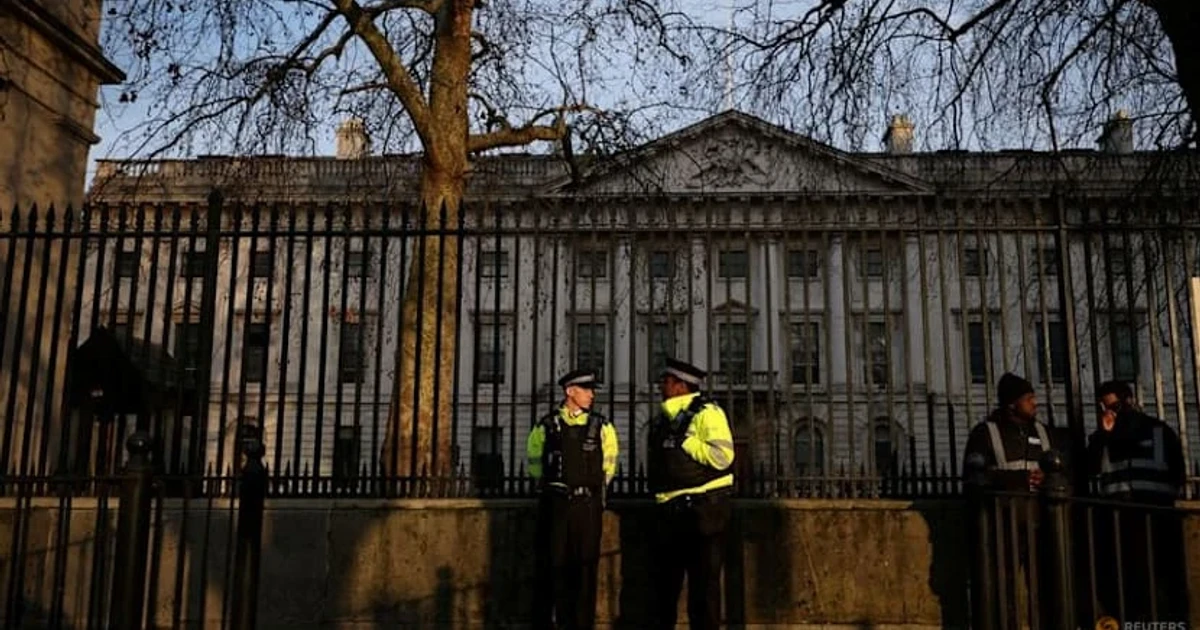
Residents near the Tower of London have launched a High Court challenge to Britain’s approval of China’s new embassy at Royal Mint Court, saying ministers brushed aside risks to protest rights, surveillance and the safety of dissidents in London. The claim, brought by the Royal Mint Court Residents’ Association, targets the government’s 20 January 2026 decision to grant planning permission and listed building consent for the scheme.
The approval came from Steve Reed, the Secretary of State for Housing, Communities and Local Government, after a called-in planning process and a public local inquiry held between 11 February and 19 February 2025. The site, in the London Borough of Tower Hamlets and directly opposite the Tower of London, was bought by the Chinese government in 2018 and had already been rejected by Tower Hamlets Council on 1 December 2022 before a resubmitted 2024 application was filed.

The approved development covers refurbishment and restoration of several listed buildings, along with redevelopment of the broader Royal Mint Court site, a plot of about 20,000 square metres that would become China’s largest embassy in Europe. The project costs about £255 million.

The residents’ lawyers argue ministers failed to properly assess whether the embassy could be used to monitor or intimidate Chinese dissidents and whether large-scale protests could be restricted in practice, even if they remained lawful on paper. Planning conditions would be difficult to enforce because diplomatic premises enjoy special protections. Past incidents involving Chinese diplomatic sites include the 2022 assault on a protester at the Chinese consulate in Manchester and earlier planning-law concerns in Belfast.

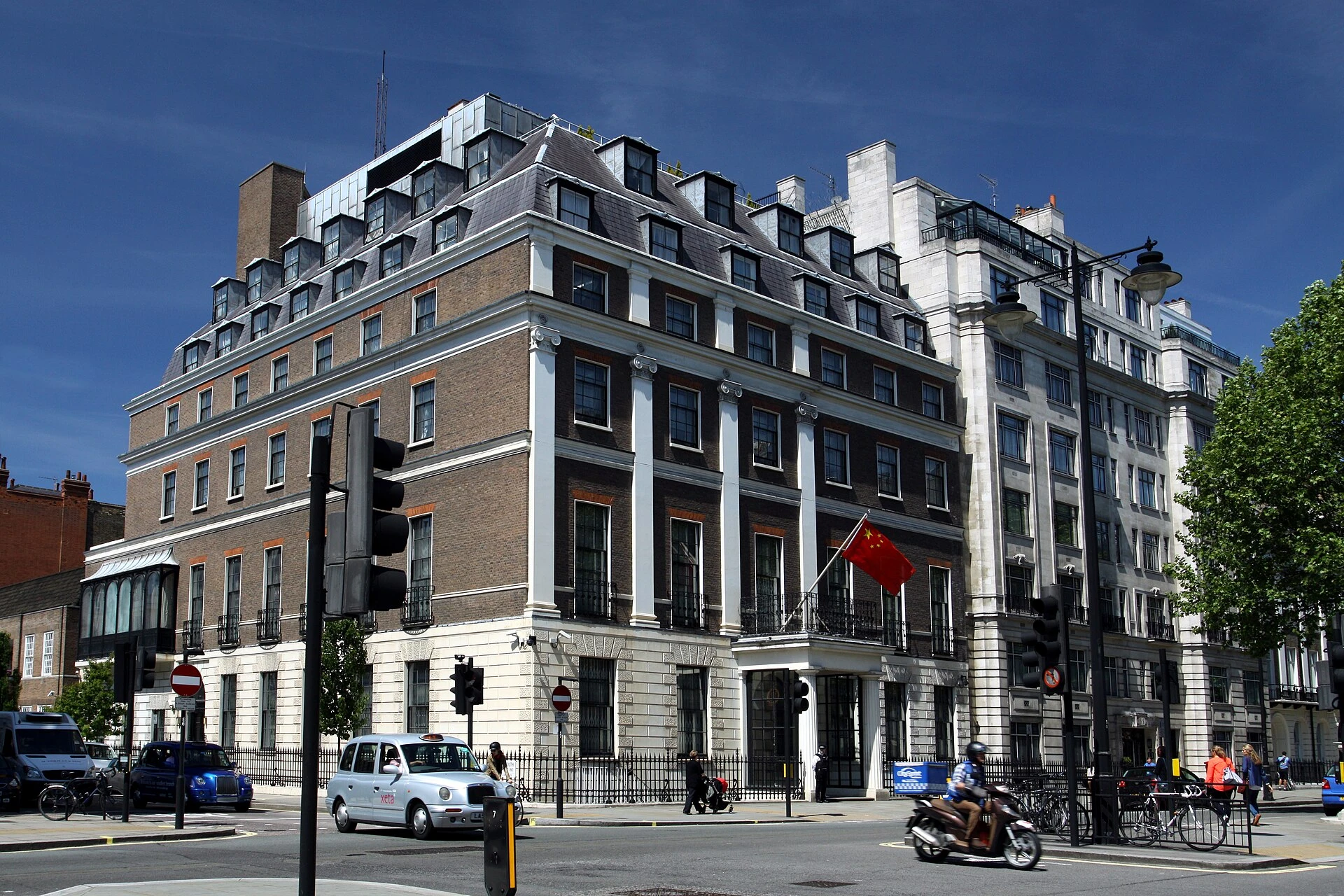
In January, MI5 warned that any security risk could not be eliminated entirely, even as British intelligence agencies said the threat could be managed. Two dual Chinese-British nationals were convicted in May of spying on Hong Kong dissidents. The January approval also came shortly before Keir Starmer’s visit to China, the first by a British leader there since 2018.