Lifestyle
Residents help design apartments in rare housing rehoming story
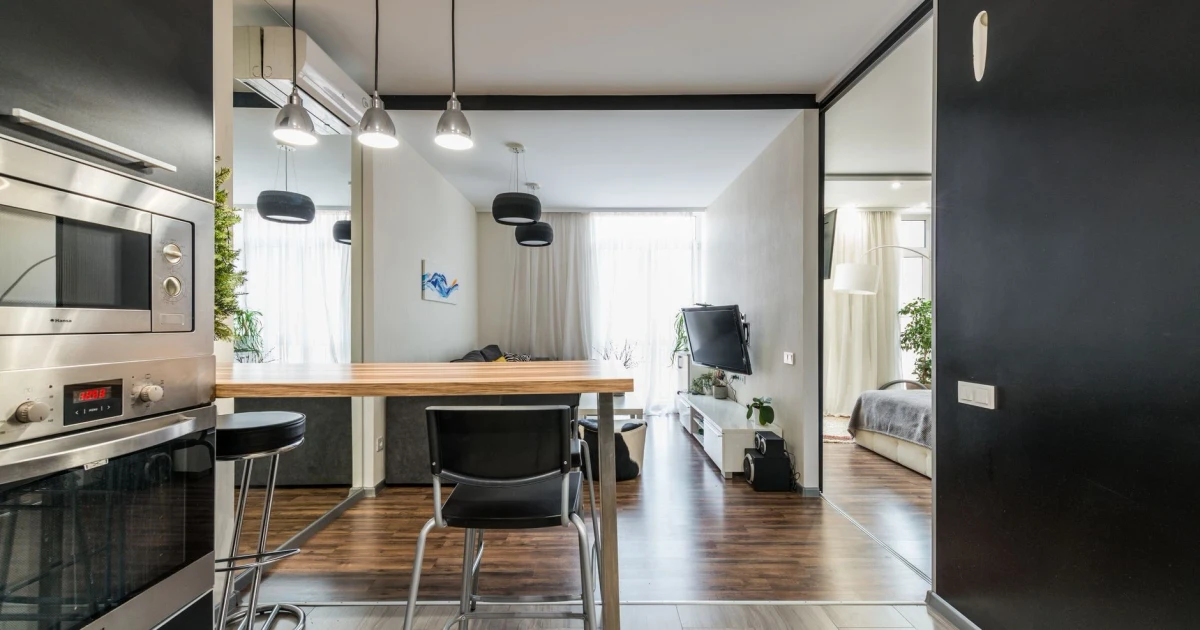
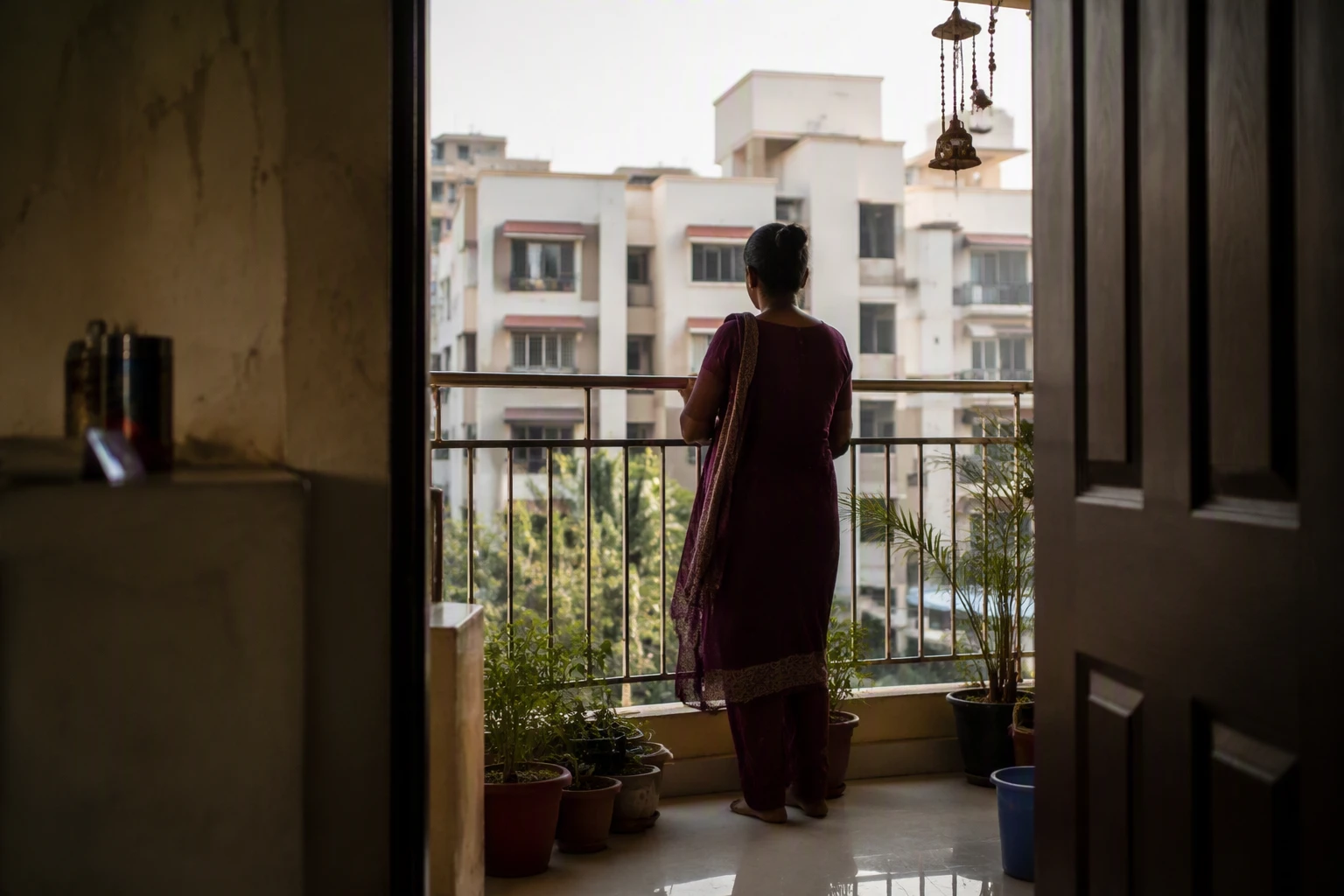
Pooja Gawali and her family moved out of a cramped tin shack and into an apartment they helped shape, in a rare housing project that gave residents a say in the unit layout, the shared space and the day-to-day life of the building. The 33-unit development in India has been described as a bold new experiment, and it had already won a prize by the time Gawali settled in.
Gawali’s new home offers more privacy and more space than the one-room shack where her family had been living. That change is not just cosmetic. In a setting where low-income families are often treated as passive recipients of redevelopment, the project put resident knowledge at the center, allowing people who knew the pressures of overcrowding to influence the apartments they would actually occupy.
The difference shows up in ordinary routines. More space changes how families store belongings, cook meals, sleep, study and work. For Gawali, the apartment also created room to take up a hobby, a small but telling measure of how housing design can affect life beyond shelter alone. In public housing debates, that kind of detail is often lost when officials focus only on the number of units delivered.
The project matters because it moves away from the usual top-down model of slum clearance and rehousing. A 2023 analysis of India’s “slum-free” redevelopment warned that such efforts can fail when they ignore residents’ design insights and needs. This building appears to push in the opposite direction, with residents helping design and choose apartments rather than simply being assigned to them after the fact.
That approach raises a practical question for U.S. cities facing housing shortages and displacement: which parts of resident-designed housing can scale? The most portable pieces are not the architecture alone, but the process behind it, giving future tenants input on apartment layouts, privacy, shared rooms and the rules that shape common life. Cities that rebuild without that input risk producing housing that is technically new but still mismatched to the people meant to live there.
Sources
- [1]vpm.org
- [2]npr.org
- [3]ground.news
- [4]theconversation.com