World
Residents help design new apartments in prize-winning housing experiment
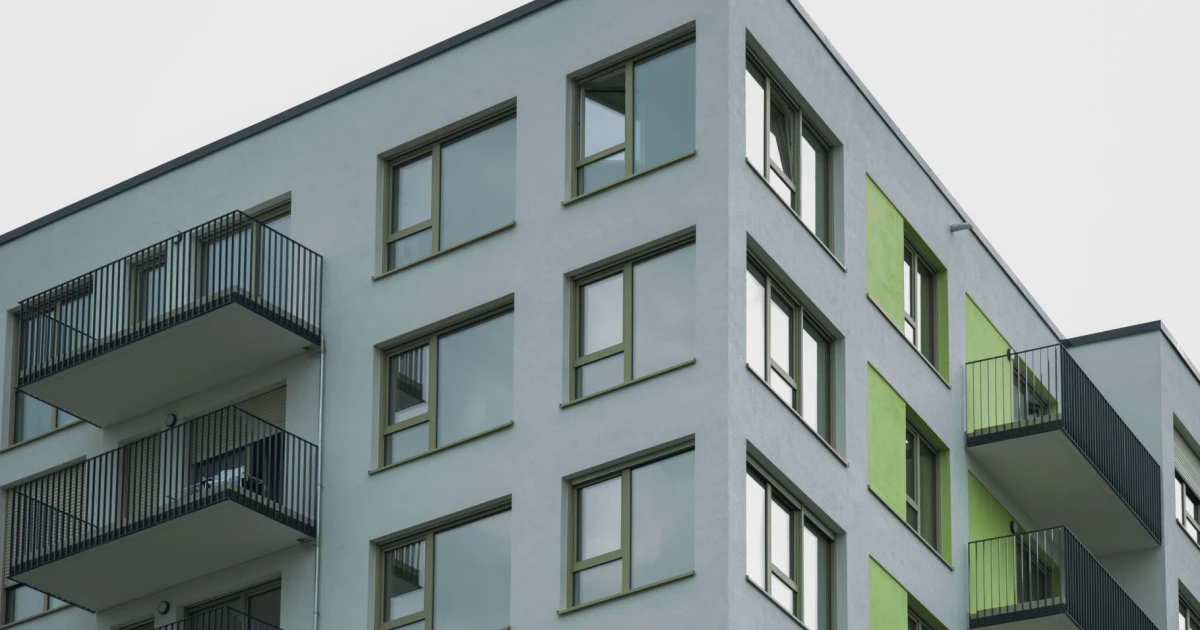
Residents in a jam-packed slum, many of them living in one-room tin shacks, helped design their apartments in a brand new building that won a prize for the experiment. The approach put tenant input at the center of the project, turning people who would usually be recipients of housing policy into active shapers of the homes they were due to live in.
The idea had a clear precedent in Sheffield. In a House of Commons debate on Jan. 27, 2011, an MP described the response to resident-involved housing improvements with the words, “Isn’t it wonderful?” and said that “sense of pride and a dream fulfilled” was what Sheffield Homes and Sheffield City Council were planning to create. The debate showed that direct participation was already being treated as part of housing reform, not as a decorative extra.
Sheffield’s own housing landscape made that argument harder to ignore. Park Hill, the city’s giant concrete housing estate, stood as one of Britain’s best-known Brutalist landmarks, and it became the subject of a long-running regeneration project led by Urban Splash. That history matters because Park Hill has always carried two meanings at once: a reminder of postwar public housing ambition and a test case for whether redevelopment can improve homes without erasing the identity of the community that lived there.
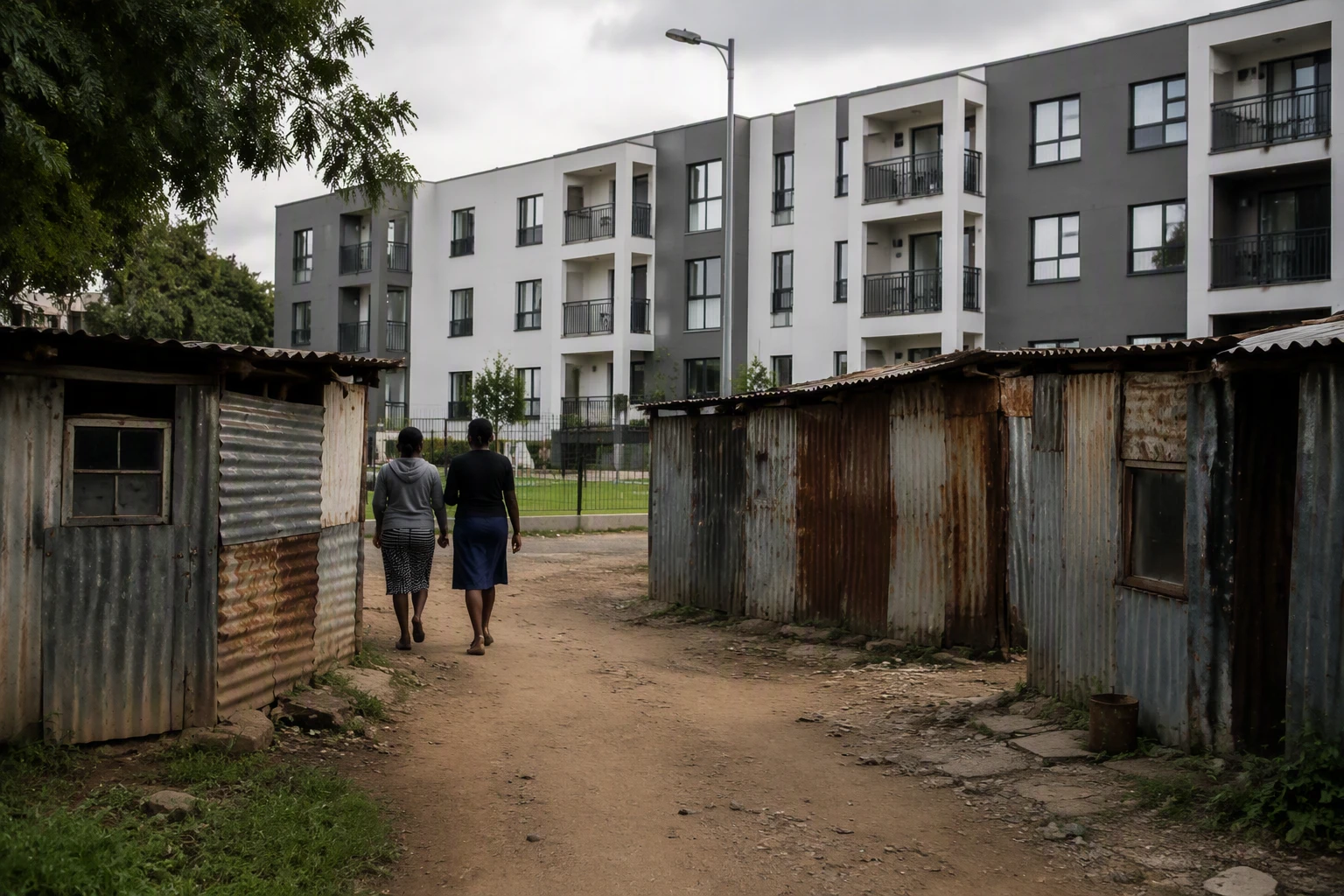
The broader record backs up that tension. History & Policy has argued that social housing in the twentieth century was shaped by political decisions and tenant participation, which means resident voice was never an afterthought in the best versions of the model. The prize-winning project pushed that principle further by asking future residents to help design the apartments themselves, a practical attempt to answer the usual failures of top-down public housing: poor dignity, weak livability, affordability that does not match daily life, and the loss of community continuity.
That makes the experiment more than a feel-good redevelopment story. It is a test of whether housing can be built with residents rather than for them, and whether a model that works in a showcase setting can be scaled without stripping out the control that gave it credibility in the first place.