Technology
Residents near data centers say constant vibration is harming homes and health
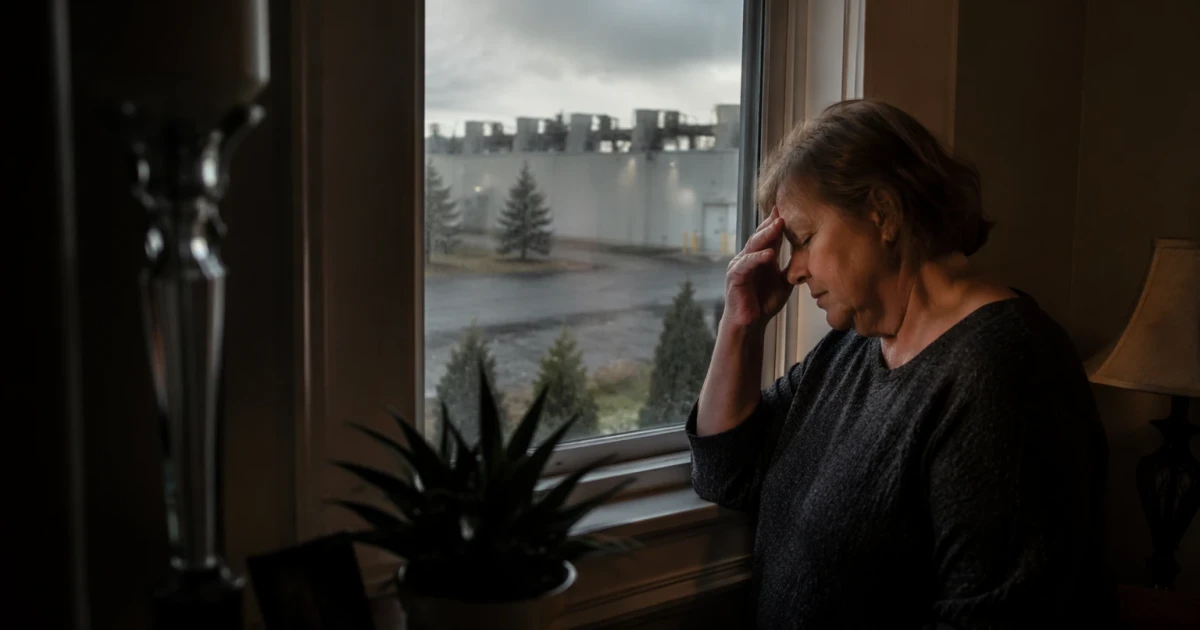
Residents living near data centers are describing a constant vibration that they say seeps into walls, windows and sleep, turning an economic boom into a daily burden. The complaints are forcing counties, state officials and regulators to confront a basic question: who protects neighborhoods from the noise of facilities built to run all day and all night?
The health concerns are not abstract. The World Health Organization says excessive noise can trigger annoyance and is linked to sleep disturbance, hypertension, ischemic heart disease, hearing impairment, tinnitus and cognitive impairment. In communities near data centers, the problem is often not just volume but persistence, with cooling systems, turbines and backup generators creating a low-frequency hum that residents say is hard to escape.
Northern Virginia has become a central battleground. Loudoun County, home to one of the world’s densest data-center clusters, has adopted dedicated standards, location rules and public-comment procedures as officials try to manage the industry’s spread. In neighboring Prince William County, officials commissioned a noise consultant to measure data-center operations by frequency, intensity and consistency, a sign that standard noise rules may not capture what nearby residents are hearing.
The frustration has spread well beyond Virginia. Near xAI’s Memphis-area facility, residents have complained of near-constant noise from turbines and related equipment, describing a level of disturbance that reaches into everyday life. In Mississippi, residents filed a class-action lawsuit against xAI and SpaceX, alleging that noise from a data-center power plant is harming health and homes. Coverage of the case said plaintiffs compared the sound to a jet engine and that more than 10,000 residents are involved.
The backlash is now landing in state and federal policy debates. In Washington state, Gov. Bob Ferguson ordered a study of data centers’ impact on energy use, job creation and tax revenue, reflecting growing concern that tax incentives and fast-track development may not match the costs borne by local communities. At the federal level, the U.S. Environmental Protection Agency has also posted Clean Air Act resources for data centers, another sign that the industry’s footprint is drawing closer scrutiny.
The core accountability gap remains the same in each place: siting decisions are often made before residents understand how much noise, vibration and generator activity a data center can bring. By the time hearings begin, the buildings are already rising, and communities are left arguing over standards that were never built for the soundtrack of the AI boom.
Sources
- [1]nytimes.com
- [2]who.int
- [3]loudoun.gov
- [4]pwcva.gov
- [5]propublica.org
- [6]epa.gov
- [7]selc.org
- [8]msn.com