Lifestyle
Restaurateurs Question Impact of Reeves’s Children’s Meal Tax Cut
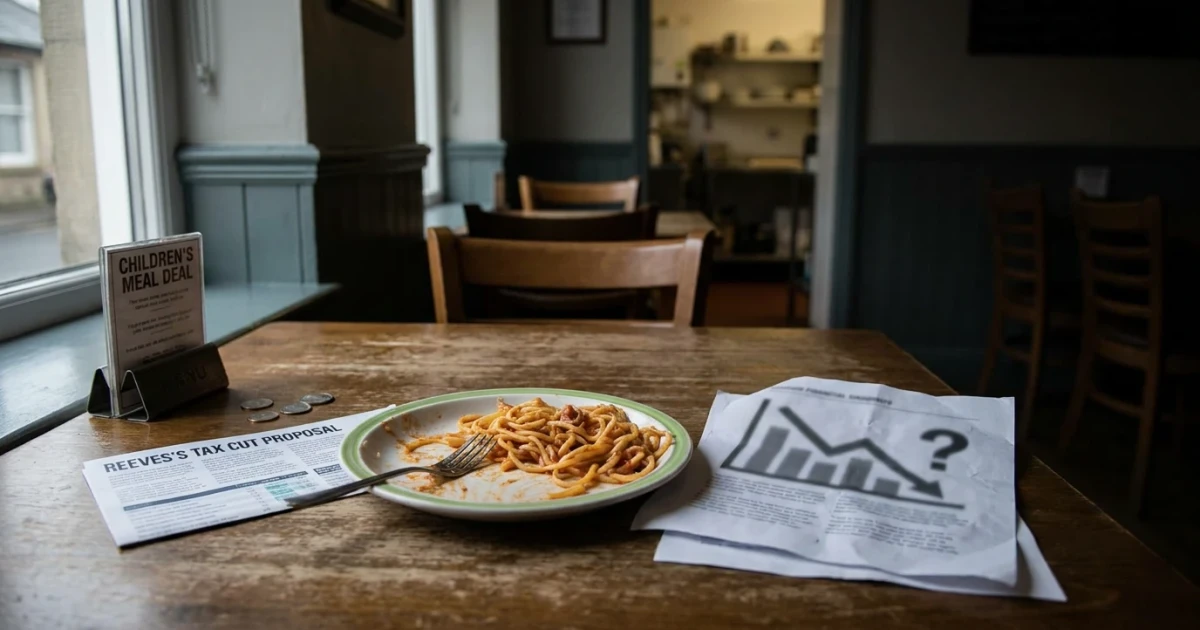
Rachel Reeves’s recent proposal to cut VAT on children’s meals has been met with skepticism from many in the hospitality industry, who label the move more of a political gesture than a solution to the sector’s deeper challenges. The announcement, unveiled as part of Labour’s economic platform, aims to make dining out more affordable for families by reducing the tax burden on children’s menu items. However, restaurateurs and industry analysts argue the policy’s practical benefits may be limited.
Industry Reception: Political Soundbite or Substantive Change?
According to The Guardian, several prominent restaurateurs have dismissed the tax cut as a ‘soundbite’ designed to appeal to voters rather than address the structural issues facing the UK hospitality sector. They point to ongoing pressures such as high energy costs, staff shortages, and rising food prices, which continue to squeeze profit margins across the industry.
- The hospitality sector directly employs over 2 million people and contributes billions annually to the UK economy, according to UKHospitality statistics.
- Annual inflation for restaurant and café meals remains high, with the ONS Consumer Price Indices showing persistent year-on-year increases.
Restaurateurs cited by The Guardian argue that a targeted VAT cut on children’s meals, while welcome for families, does little to relieve the sector’s broader financial burdens. Some suggest that a wider reduction in VAT, as was temporarily implemented during the pandemic, would have a more significant effect on business viability and consumer demand.
Potential Benefits for Families
Supporters of the policy note that lowering the VAT on children’s meals could provide modest relief for families, particularly those who dine out regularly. Data from the Children and Young People’s Food Survey 2021 indicates that eating out is a common part of family life, with a significant proportion of children consuming restaurant or café meals each month.
- More than half of surveyed children reported eating out at least once a month.
- Children’s meals account for a growing share of restaurant sales, reflecting shifts in consumer habits.
However, industry voices stress that the policy’s scope is narrow. The Guardian’s coverage highlights that the majority of restaurant revenue comes from adult meals and beverages, which remain unaffected by the proposed tax cut. As a result, the measure may not provide the economic stimulus many businesses seek.
Economic Context and Public Finance Impact
The debate over the children’s meal tax cut takes place against a backdrop of rising costs and uncertain consumer confidence. Analysis from the House of Commons Library underscores the complexity of VAT policy in the hospitality sector, noting that previous temporary VAT reductions had a measurable but short-term impact on demand and business stability.
Forecasts by the Office for Budget Responsibility suggest that targeted VAT cuts, such as those on children’s meals, have a negligible impact on overall tax receipts, but their effect on employment or sectoral growth is less clear.
Analysis: Limited Scope Amid Broader Challenges
While the VAT cut on children’s meals offers some relief to families, industry leaders continue to call for more comprehensive reforms to help hospitality businesses recover and grow. Broader measures—such as wider VAT reductions, support for energy costs, or targeted business rate relief—have been repeatedly raised as priorities by sector representatives. Until such steps are taken, many restaurateurs view piecemeal policies as insufficient to address the hospitality sector’s ongoing challenges.
As the policy debate continues, the effectiveness of Reeves’s proposal will likely be judged not just by its immediate impact on family dining budgets, but by whether it forms part of a wider strategy to revitalise the UK’s restaurants, cafés, and pubs.