Health
Review of U.S. Measles Elimination Status Postponed to November
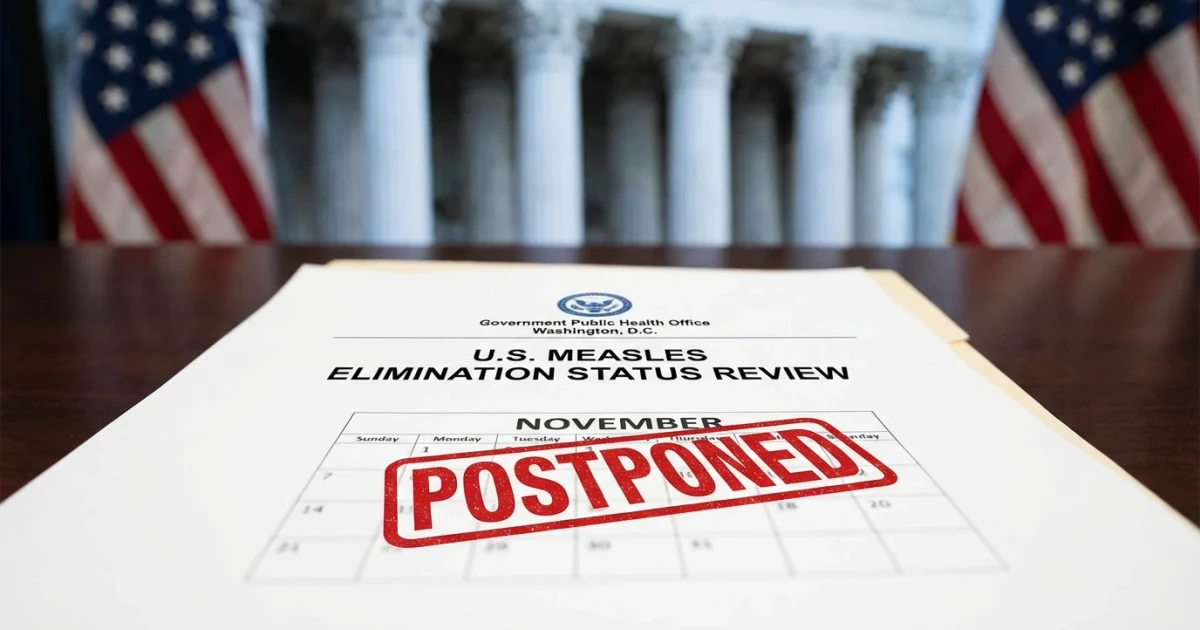
The long-anticipated international review of the United States' measles elimination status has been postponed until November, marking another delay in a process closely watched by public health officials and the global community. The meeting, originally scheduled for earlier this year, will bring together health experts to assess whether the U.S. continues to meet the criteria for measles elimination amid recent outbreaks and growing concerns over vaccination rates.
Understanding Measles Elimination Status
The World Health Organization (WHO) defines 'elimination' as the absence of continuous measles transmission for at least 12 months in a defined geographic area. The United States first achieved measles elimination status in 2000,
according to WHO records. This status has been periodically reviewed by international panels, which consider national surveillance data, outbreak reports, and vaccination coverage statistics to verify ongoing elimination.
Reasons for the Delay
The New York Times reported that the expert panel's meeting has been pushed back to November, though specific reasons for the delay were not detailed in public statements. The postponement comes at a time when the United States has experienced a rise in reported measles cases, sparking concern among public health officials and the public alike.
Recent Measles Trends in the U.S.
- The Centers for Disease Control and Prevention (CDC) has recorded an uptick in measles cases in recent years, with several clusters linked to communities where vaccination rates have dipped below the threshold needed for herd immunity.
- According to CDC measles vaccination coverage data, the percentage of U.S. children receiving the recommended two doses of the measles-mumps-rubella (MMR) vaccine has plateaued or declined in some regions.
- These vaccination gaps have contributed to localized outbreaks, raising questions about the nation's ability to maintain elimination status.
Global and National Implications
The U.S. has served as a benchmark for measles control since achieving elimination, but public health officials warn that the persistence of importations and unvaccinated pockets put this status at risk. The upcoming November meeting will be critical in determining whether recent outbreaks are isolated incidents or evidence of sustained transmission.
What Comes Next?
The delay in the review process gives federal and state health authorities more time to address vaccination gaps and enhance surveillance efforts. As the new meeting date approaches, officials are expected to intensify outreach in under-vaccinated communities and reinforce the importance of immunization to prevent future outbreaks.
The outcome of the November meeting will have significant implications for the U.S.'s standing in the global effort to control and eventually eradicate measles. Continued vigilance and robust public health measures will be essential as the nation awaits the panel's assessment.