Health
Review urges more protein and exercise for healthy aging

A new review says public health advice on protein and exercise is still built around avoiding deficiency, not around preserving strength, cognition and independence as people age. The paper, written by Chris Macdonald of Lucy Cavendish College at the University of Cambridge and published in Frontiers in Nutrition, argues that many adults may benefit from more protein and more physical activity than current recommendations typically encourage.
The review, titled “Beyond the bare minimum: the case for revised physical activity guidelines and protein intake recommendations that maximise healthspan,” was accepted on June 15, 2026 and published June 16. The article page had roughly 2,100 views and 88 downloads, a sign of early interest in a debate that reaches from geriatric care to national nutrition policy.
Macdonald’s central argument is that current guidelines are framed as minimum thresholds. In his telling, that leaves a gap between what prevents malnutrition and what best supports healthspan, the years people spend living with function intact. The paper says higher exercise volumes and intensities, especially when aerobic and resistance training are combined, are associated with lower all-cause mortality, better cognitive function, stronger immune resilience and preserved psychological well-being.
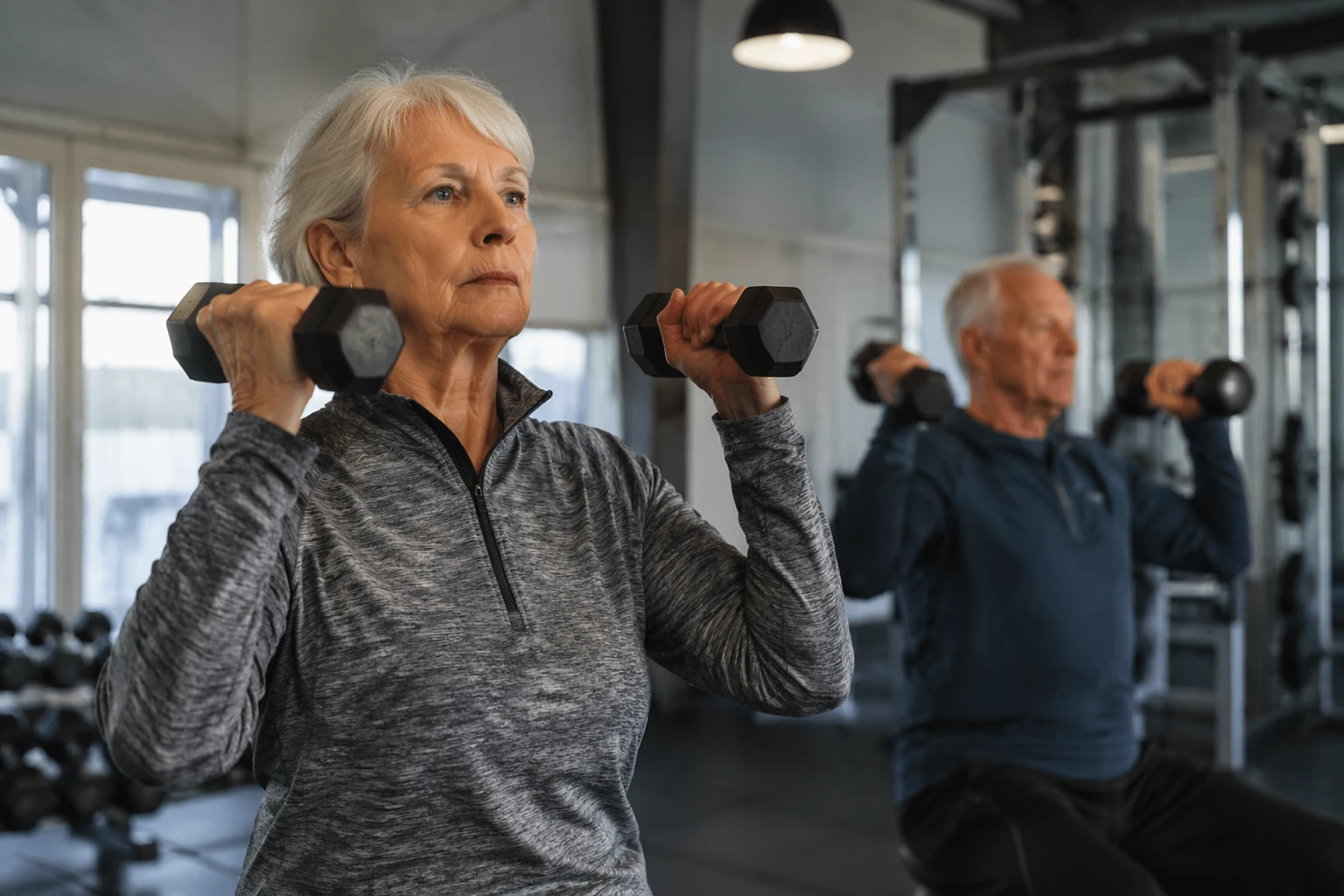
Protein guidance is at the center of the argument. The National Academies of Sciences, Engineering, and Medicine still set the Recommended Dietary Allowance for adults 19 and older at 0.8 grams of protein per kilogram of body weight per day. But guidance from the National Resource Center on Nutrition & Aging says emerging research suggests older adults may need 1.0 to 1.2 grams per kilogram per day, and warns that too little protein can contribute to malnutrition, muscle loss, decreased physical function, increased fall risk, hospitalization and mortality.
The review says protein intakes above existing recommendations support strength, recovery and quality of life across groups including older adults and pregnant women. It also says well-planned high-protein diets can be safe, ethical and environmentally sustainable, a claim that will likely draw scrutiny from researchers who still debate how high is high enough and for whom. For older adults in particular, the stakes are plain: muscle loss and declining function can erode independence long before disease alone does.
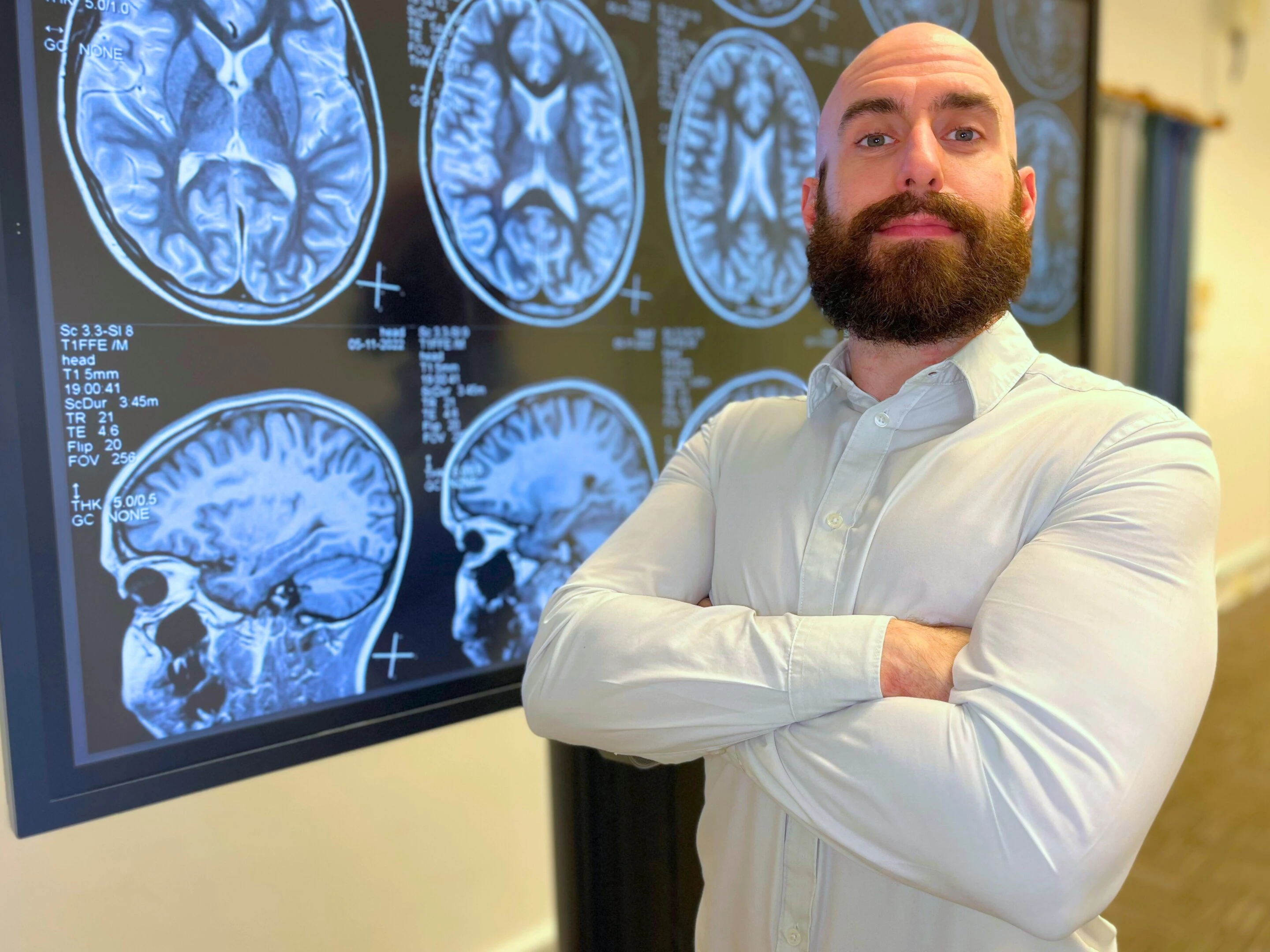
Exercise guidance points in the same direction. The World Health Organization says older adults should get at least 150 minutes of moderate-intensity aerobic activity each week, or 75 minutes of vigorous activity, plus muscle-strengthening work on two or more days. The Centers for Disease Control and Prevention gives adults 65 and older a similar benchmark, adding balance activities to the mix.
The review fits with earlier evidence. A 2023 review in the Journals of Gerontology: Series A found that protein intakes below 0.8 g/kg/day worsen age-related losses in muscle size, quality and function in medically stable older adults, while observational studies pointed to intakes of 1.0 to 1.6 g/kg/day as potentially better for strength and function. A pooled analysis of four aging cohorts also linked low protein intake, physical activity and physical function in community-dwelling older adults, reinforcing the paper’s core message: protein and exercise work best when they are considered together.
Sources
- [1]sciencedaily.com
- [2]frontiersin.org
- [3]acl.gov
- [4]who.int
- [5]cdc.gov
- [6]academic.oup.com
- [7]ncbi.nlm.nih.gov