US News
Rex Heuermann Admits Guilt in Gilgo Beach Murders
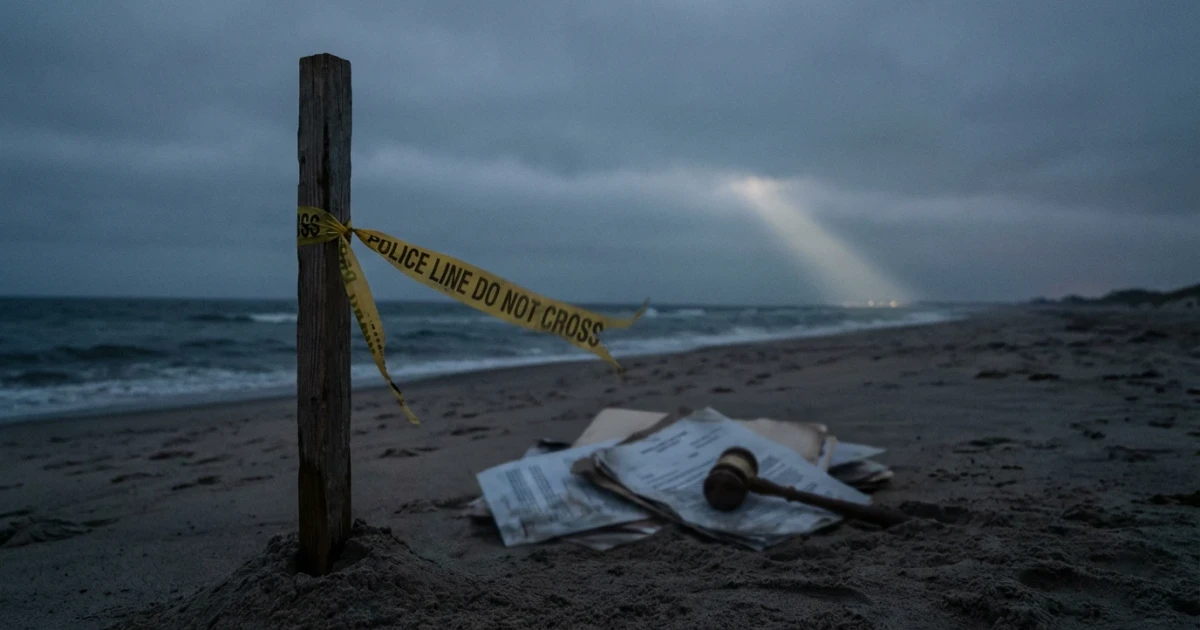
Rex Heuermann, the man long suspected in the Gilgo Beach serial killings, pleaded guilty this week to the murders of eight women, marking a significant development in one of New York’s most notorious unsolved crime cases.
Heuermann’s Guilty Plea Ends Years of Uncertainty
Heuermann, a former architect from Massapequa Park, New York, admitted in court to strangling eight women whose remains were discovered along a stretch of Gilgo Beach, Suffolk County, beginning in 2010. The case, which had baffled investigators and captured national attention for more than a decade, saw a breakthrough with Heuermann’s arrest in 2023 and now, his formal admission of guilt.
Case Background and Victims
The discovery of multiple sets of human remains along the remote Ocean Parkway led to one of the largest homicide investigations in Long Island’s history. According to FBI case summaries, the victims were primarily women, many of whom had been reported missing in the years preceding the discoveries. The method of killing—strangulation—was consistent across the cases Heuermann admitted to, providing critical links for law enforcement. Official records from the Suffolk County Medical Examiner document the challenging task of victim identification, as several remains were unidentified for years.
- The first remains were found in December 2010, with additional discoveries in the following months.
- Several victims were unidentified for extended periods, despite extensive efforts by investigators and the use of national missing persons databases like NamUs.
Impact on the Community and Law Enforcement
Law enforcement agencies from Suffolk County, the New York State Police, and the FBI collaborated extensively on the case. The case also brought national scrutiny to violent crime rates in Suffolk County and highlighted the challenges of identifying and protecting vulnerable populations. The complex investigation, involving advanced forensic techniques and data analysis, reflected broader trends in serial murder investigations across the United States.
Legal Proceedings and Next Steps
Heuermann’s admission came as part of a plea agreement, the details of which are expected to be outlined in the coming weeks. The court docket for People v. Heuermann shows extensive pre-trial motions and filings since his arrest. Sentencing is anticipated later this year, with prosecutors indicating that they will seek maximum penalties.
Ongoing Questions and Unresolved Cases
While Heuermann’s guilty plea brings resolution for the families of eight victims, law enforcement has not ruled out the possibility of additional victims. Official case files list several unidentified persons and open homicide files in the Gilgo Beach area. Investigators encourage the public to review missing persons records and report any information that could assist with unresolved cases.
Analysis: Closure and Continuing Impact
The Gilgo Beach murders case has had a profound impact on policing strategies, the use of forensic databases, and public awareness of serial homicide. According to research from the Bureau of Justice Statistics, serial homicides remain rare but often receive extensive media and public attention due to their complexity and the fear they generate. The resolution of this case may provide some measure of closure for affected families, but the lingering presence of unidentified victims underscores the ongoing challenges in solving long-term homicide cases.
As the community watches the legal process unfold, authorities continue to seek information that could bring resolution to related cases and offer a measure of peace to the families still searching for answers.