Politics
RFK Jr. Discusses White House Budget Plan in Congress
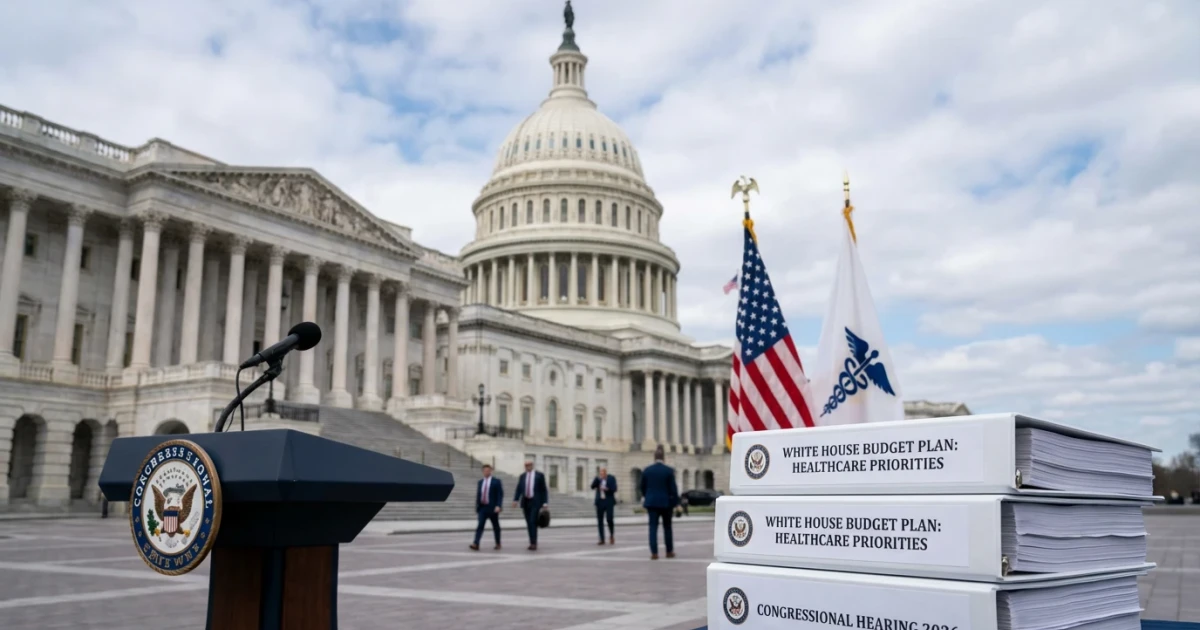
Robert F. Kennedy Jr. has maintained a visible presence on Capitol Hill as he continues to present and defend the White House's budget plan during a series of congressional hearings. His ongoing testimony underscores the administration's focus on healthcare priorities and fiscal strategy amid scrutiny from lawmakers.
Ongoing Congressional Engagement
RFK Jr.'s repeated appearances before congressional committees highlight the administration's commitment to transparency and collaboration with legislators as they debate the proposed federal budget. According to Fierce Healthcare, Kennedy has been particularly vocal about the healthcare components of the plan, responding to questions and outlining policy objectives. While the details of his testimony remain under wraps, these hearings are critical venues for shaping the final outcome of the budget process.
Healthcare at the Center of the Debate
The White House budget plan, as presented by Kennedy, places significant emphasis on public health funding, insurance coverage, and federal investment in medical research. Congressional hearings have given lawmakers the opportunity to examine the proposed allocations for programs under the Centers for Disease Control and Prevention (CDC) and the National Institutes of Health (NIH). The discussions have centered on how these investments will address current public health challenges, including pandemic preparedness, chronic disease management, and mental health services.
- Proposed increases to public health infrastructure funding
- Potential expansions in coverage for preventive care services
- New initiatives in support of cancer research and treatment
Balancing Priorities and Fiscal Responsibility
As Kennedy addresses Congress, questions remain about the balance between expanding healthcare programs and maintaining fiscal responsibility. Lawmakers have pressed for further details on how the administration plans to fund new initiatives without increasing the national deficit. The ongoing hearings are expected to clarify the administration's approach to cost containment, efficiency improvements, and evaluation of existing federal health programs.
Looking Ahead
Kennedy’s sustained engagement with Congress indicates that the administration is prepared for extensive negotiations as the budget process unfolds. The outcome will shape federal policy on healthcare access, research, and public health for the coming year. For readers interested in following the impact of these hearings and the evolving federal health budget, resources like the CDC COVID Data Tracker and ClinicalTrials.gov offer ongoing data and research updates.
As debate continues, the spotlight remains on RFK Jr. and the administration’s efforts to deliver a budget that meets the nation's healthcare needs while ensuring fiscal prudence.