Health
RFK Jr Grilled in Senate Over Measles and Flu Claims
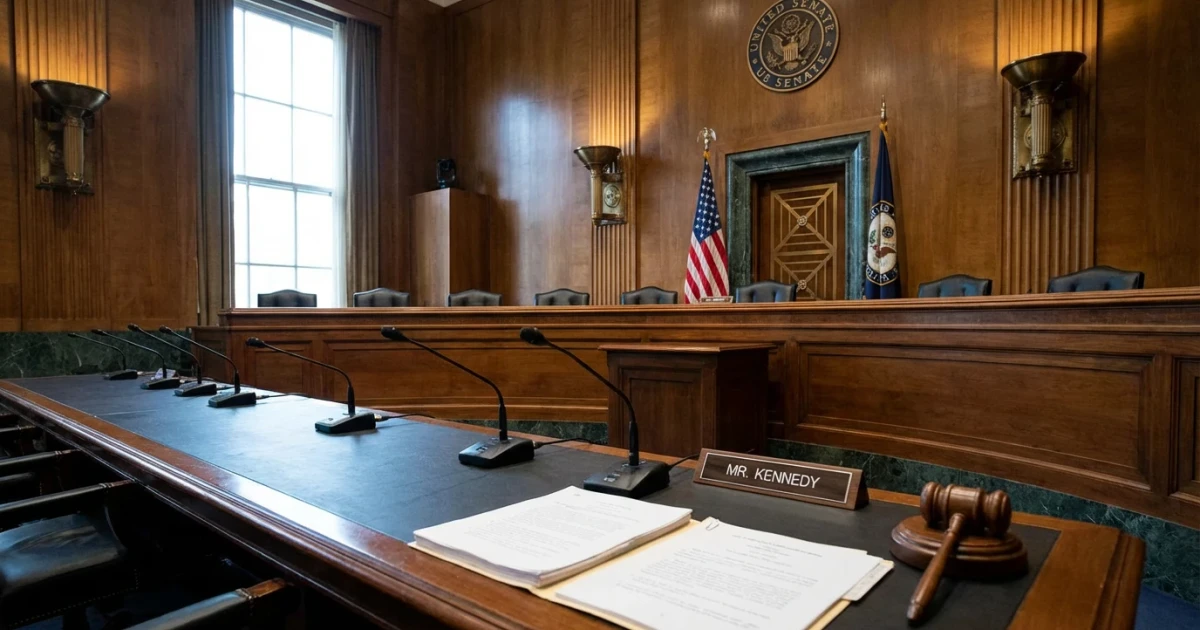
Robert F Kennedy Jr was met with sharp scrutiny in the US Senate this week as lawmakers pressed him on his controversial statements about measles and influenza deaths in the United States. His testimony, which drew national attention, comes amid ongoing public health concerns and a renewed focus on vaccine safety and misinformation.
Senate Hearing Highlights Vaccine Debate
Kennedy, an independent presidential candidate and well-known vaccine skeptic, appeared before Senate committees following a recent uptick in measles cases and ongoing challenges posed by seasonal flu. The hearings, covered by The Guardian and other outlets, underscored the high stakes of public health policy as senators questioned Kennedy’s past assertions about the risks associated with childhood vaccines and the actual toll of vaccine-preventable diseases.
Scrutiny Over Measles and Flu Statistics
Senators pressed Kennedy to clarify his statements regarding the severity of measles and flu in the United States. According to official CDC data, measles cases in the US have increased in recent years, with outbreaks linked primarily to communities with lower vaccination rates. In 2019, the US saw over 1,200 reported cases— the highest since 1992. The CDC also estimates that influenza results in tens of thousands of deaths each year, highlighting its ongoing threat.
- In 2018-2019, the CDC estimated 34,200 influenza-associated deaths in the US.
- Measles, once declared eliminated in 2000, has resurged due to declining vaccination coverage.
- Global measles deaths were estimated at 136,000 in 2022, according to the World Health Organization.
Vaccine Safety Under the Microscope
Lawmakers referenced the CDC’s Vaccine Safety Datalink, which tracks adverse events and monitors the safety of vaccines, including the MMR (measles, mumps, rubella) and flu vaccines. Decades of research, including peer-reviewed historical reviews, have shown that vaccines are highly effective and that severe side effects are exceedingly rare compared to the risks posed by the diseases themselves.
National and Global Implications
Kennedy’s appearance comes at a time of heightened concern over declining childhood immunization rates in certain US communities. Public health experts warn that misinformation can undermine trust in vaccine programs, leading to outbreaks of diseases previously under control. The World Health Organization continues to stress the importance of maintaining high vaccination rates to prevent potentially deadly outbreaks.
Ongoing Misinformation Challenges
The Senate hearing reemphasized the challenge faced by health officials as they work to counter misinformation. The CDC maintains a comprehensive measles vaccination explainer for the public, outlining how vaccines work, why they are recommended, and what the risks are for unvaccinated populations. The agency’s regular FluView surveillance reports provide ongoing updates on influenza activity and outcomes.
Looking Forward
As the Senate continues to explore the intersection of public health and political rhetoric, the scrutiny of Kennedy’s claims serves as a reminder of the need for evidence-based decision-making in health policy. The debate over vaccines— and the facts about diseases they prevent— will likely remain central in the national conversation as the US navigates ongoing outbreaks and the upcoming presidential election.