Politics
RFK Jr. Opens Hearings on White House Health Budget
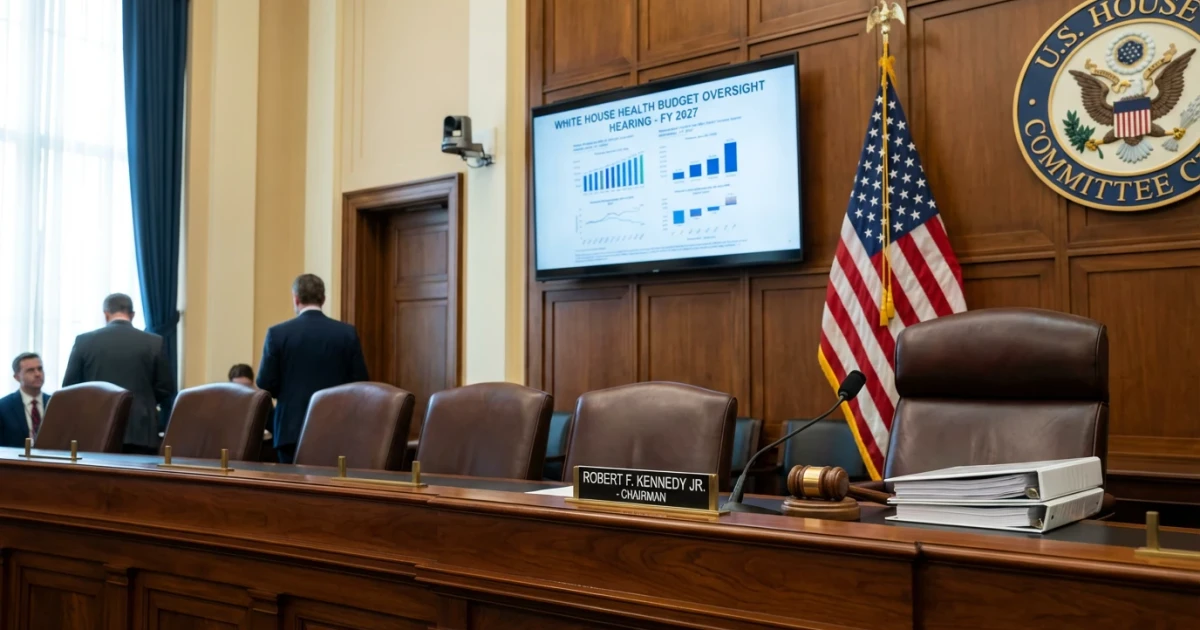
Robert F. Kennedy Jr. launched the first of several congressional hearings this week to review and debate the White House’s proposed budget plan, with a particular focus on health-related expenditures. The hearings mark an important step in the federal budget process, as lawmakers scrutinize spending priorities that affect major health programs and public health infrastructure.
Congress Examines Health Spending Priorities
The opening hearing, reported by Fierce Healthcare, sets the stage for a series of discussions on how federal funds will be allocated in the coming year. Kennedy’s leadership role signals heightened attention to health policy at a time when public spending on healthcare remains a key national issue. According to the CDC's FastStats, U.S. health expenditures continue to rise, with recent years seeing total spending exceed $4 trillion annually. Lawmakers are expected to weigh these trends as they consider the administration’s proposals.
- The White House budget includes funding for Medicare, Medicaid, and the Children’s Health Insurance Program (CHIP).
- It also outlines investments in public health preparedness and biomedical research through agencies like the National Institutes of Health (NIH).
- Oversight efforts will focus on ensuring efficiency and accountability in federal spending.
Key Issues on the Agenda
As the hearings progress, lawmakers from both parties are likely to question White House officials on the rationale behind specific funding levels, especially for programs addressing chronic diseases, mental health, and pandemic preparedness. The Centers for Medicare & Medicaid Services (CMS) National Health Expenditure Data provides context, showing that government health spending represents a substantial share of the federal budget.
- Debate is expected over the allocation of funds between direct patient care and administrative costs.
- Some lawmakers may seek increased investment in value-based care and preventative health services.
- Attention will also be given to the ongoing impact of COVID-19 and lessons for future public health crises, with the CDC COVID Data Tracker offering real-time data on pandemic response.
Broader Implications for Federal Health Policy
The hearings serve as a forum for discussing not only the immediate budget but also long-term strategies for controlling costs and improving outcomes. Research entries on health expenditure policy emphasize the importance of aligning spending with evidence-based practices and population health needs.
In recent years, Congress has also considered the role of public-private partnerships, technology adoption, and payment reform in shaping the future of U.S. healthcare. These themes are expected to surface as lawmakers assess whether the proposed budget aligns with national priorities.
What Comes Next
As hearings continue, the White House and Congress will negotiate changes before the final budget is approved. Stakeholder input, including from health experts and advocacy groups, will influence the outcome. The process will culminate in a final package that determines funding levels and policy direction for major health programs in the coming fiscal year.
For readers interested in a deeper dive into federal health spending, official figures and breakdowns are available via the CMS National Health Expenditure Data and the NIH Budget and Spending pages. Analysis of health expenditure policies can be found through PubMed.
As the process unfolds, the focus will remain on balancing fiscal responsibility with the nation’s ongoing health priorities. The outcome of these hearings will help shape the landscape of U.S. healthcare funding for the year ahead and beyond.