Health
RFK Jr. Sparks Debate With Beef Liver Endorsement
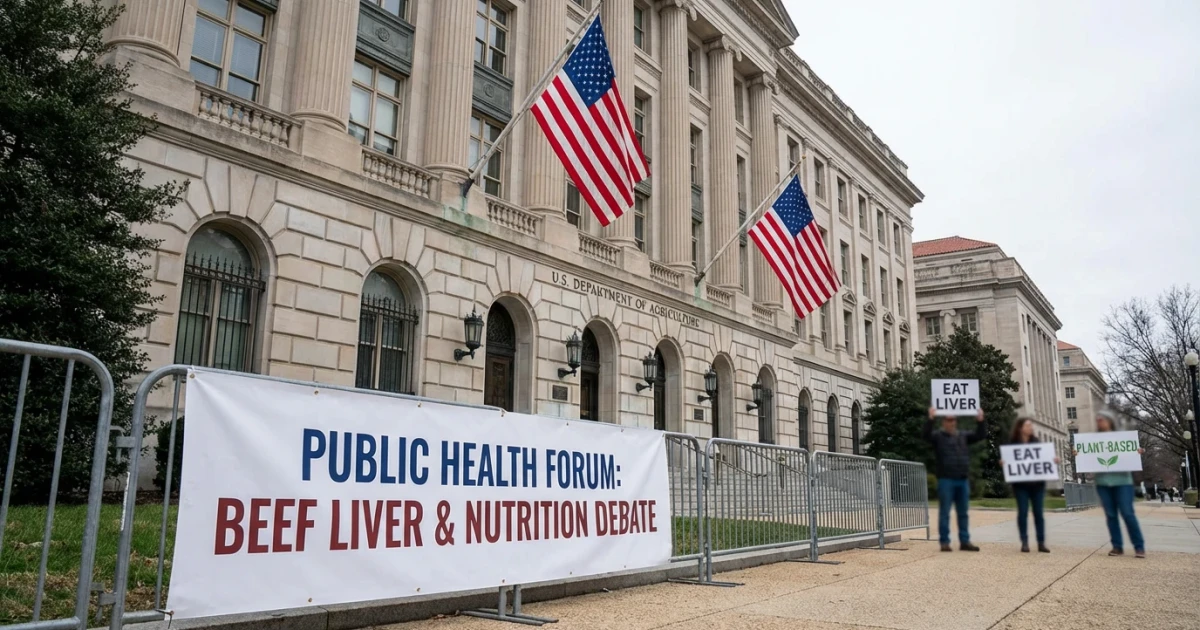
Robert F. Kennedy Jr. has once again found himself at the center of a public health debate, this time urging Americans to incorporate beef liver and other organ meats—collectively known as offal—into their diets. Kennedy’s recommendation, highlighted on Defector, has sparked discourse among nutrition experts, health organizations, and the broader public about the risks and benefits of consuming organ meats.
RFK Jr.’s Offal Advocacy
During a recent public appearance, Kennedy emphasized the nutritional richness of organ meats, particularly beef liver, which he described as a “superfood” for Americans seeking more nutrient-dense options. His statements echo a growing interest in traditional diets that include offal, but also raise questions about the broader health implications of such advice.
Nutritional Value of Beef Liver
Beef liver is widely recognized for its exceptional nutrient profile. According to the USDA FoodData Central, a 100-gram serving of raw beef liver contains:
- 27 grams of protein
- 6 grams of fat
- 36,000 IU of vitamin A—over 700% of the recommended daily value
- High levels of iron, vitamin B12, and other essential micronutrients
Peer-reviewed research in the field of food science underscores the nutritional and functional properties of beef offal, highlighting its potential to provide key nutrients that are sometimes lacking in the modern American diet.
Public Health Perspectives
Despite its nutrient density, experts caution that beef liver’s extremely high vitamin A content can pose health risks if consumed excessively. The NIH Office of Dietary Supplements notes that while vitamin A is essential for vision and immune function, chronic intake above recommended levels can lead to toxicity, especially in vulnerable populations such as children and pregnant women.
The World Health Organization reports that vitamin A deficiency is still a major concern in many parts of the world, but overconsumption is rare in the United States. The Centers for Disease Control and Prevention (CDC) tracks American dietary patterns, which indicate that organ meats are consumed infrequently by most households.
Controversy and Context
Kennedy’s comments were met with a mix of curiosity and skepticism. Advocates of whole-animal eating, sometimes associated with so-called “nose-to-tail” diets, hailed his advice as a return to more sustainable and nutritious food traditions. Critics, however, pointed to the lack of widespread culinary acceptance of offal in the U.S. and the potential for nutrient imbalances if not consumed with care.
While organ meats are a nutrient powerhouse, the consensus among nutritionists is that moderation is key. For those interested, small servings once or twice a week can offer benefits without risking vitamin A overload. The broader conversation, spurred by Kennedy, has prompted renewed interest in how Americans can diversify their diets to address both deficiencies and excesses.
Looking Ahead
As the discussion continues, Kennedy’s offal advice has achieved one clear result: bringing attention to the nutritional value of beef liver and sparking dialogue about informed dietary choices. While experts urge caution and context, the heightened awareness may encourage more Americans to consider a wider variety of nutrient-dense foods—so long as they do so safely and in consultation with health professionals.