Health
RFK Jr.’s Objection Delays $600 Million in Global Vaccine Aid
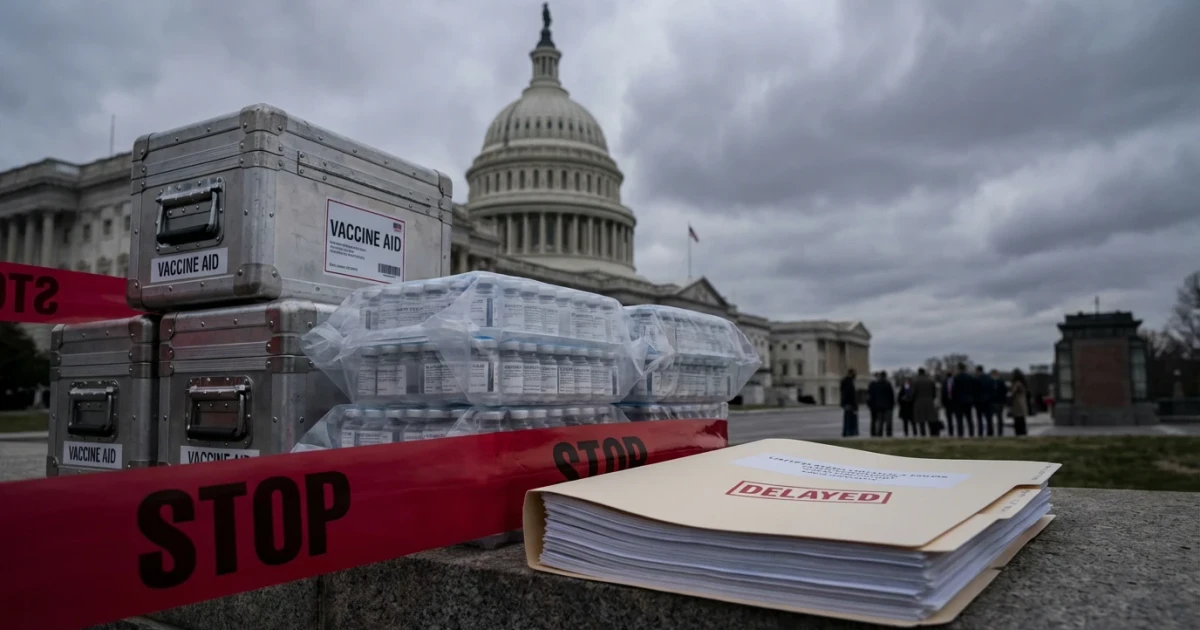
Robert F. Kennedy Jr. is at the center of a heated debate in Washington, as his objection has placed a hold on $600 million in U.S. funding intended to provide vaccines to low-income countries. The funding, part of a broader foreign aid package, is now stalled in Congress, sparking concerns among global health advocates and raising questions about the future of U.S. global health commitments.
Why the Funding Is Stalled
The disputed funds are earmarked to support large-scale global immunization programs, specifically targeting countries with limited access to vaccines. According to coverage by Politico, Kennedy Jr.’s objection is preventing the release of these funds, which are included in the State, Foreign Operations, and Related Programs Appropriations Act for fiscal year 2024. The legislation process has seen delays as a result, with lawmakers unable to move forward until the hold is resolved.
While objections and holds are not uncommon in Congress, Kennedy Jr.’s involvement has drawn particular attention due to his controversial stance on vaccines and his prominent role in the current political landscape. The delay comes at a time when international health organizations are emphasizing the urgent need for consistent funding to sustain global immunization efforts.
Implications for Global Health
The funding in question is vital for programs that provide vaccines against diseases such as measles, polio, and other preventable illnesses in the world’s poorest regions. According to KFF analysis, U.S. support for global vaccine distribution has historically played a critical role in reducing child mortality and controlling disease outbreaks in developing countries.
- $600 million is designated for distribution through established programs like Gavi, the Vaccine Alliance, which has already helped immunize over 1 billion children since its inception.
- Delays in funding could interrupt ongoing vaccination campaigns, potentially leading to outbreaks of preventable diseases.
- Health advocates warn that vulnerable populations, including millions of children, are at risk as the funding remains in limbo.
Political and Policy Context
The hold on vaccine funding is unfolding against the backdrop of wider debates about U.S. global health priorities and the role of Congress in determining foreign aid allocations. The House passage of the foreign operations bill was contentious, with lawmakers divided over spending levels and specific program priorities. Kennedy Jr.’s demands—reported by Politico but not detailed in the available coverage—have added another layer of complexity to negotiations.
Advocacy groups and international organizations have voiced concern that further delays could undermine years of progress in global health. As the Senate Foreign Relations Committee continues to review global health funding in upcoming hearings, the outcome of Kennedy Jr.’s hold remains uncertain.
Looking Ahead
For now, the fate of $600 million in vaccine funding for poor countries hangs in the balance. Lawmakers and health officials are closely watching negotiations, with many urging a swift resolution to prevent gaps in immunization coverage. As the U.S. continues to weigh its role in global health, the standoff underscores the complex intersection of politics, policy, and public health on the world stage.