Health
RFK Jr.’s Vaccine Advisor Sparks Outrage by Questioning Polio Shot Necessity
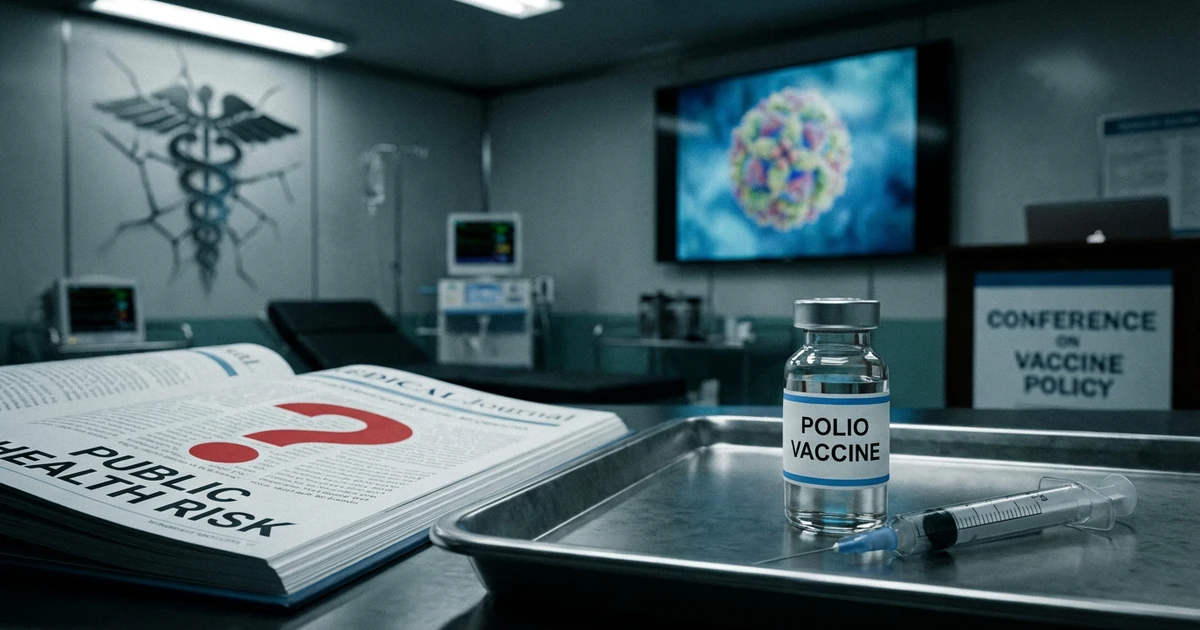
Controversy has erupted in the medical community after a leading vaccine advisor to presidential candidate Robert F. Kennedy Jr. questioned the necessity of the polio vaccine, challenging decades of scientific consensus and reigniting a heated debate over vaccine policy in the United States.
The Polio Vaccine Debate Resurfaces
According to recent reports, the chair of a vaccine advisory panel for RFK Jr. publicly suggested that the polio vaccine—and other routine immunizations—should be considered optional rather than essential. This stance stands in stark contrast to longstanding recommendations from major health organizations, including the Centers for Disease Control and Prevention (CDC) and the World Health Organization (WHO), which regard polio immunization as a cornerstone of public health and disease prevention.
Medical Community Responds
The suggestion to make polio vaccination optional has been met with significant concern—and in some cases, outright exasperation—by medical professionals. Many doctors have expressed alarm that undermining confidence in the polio vaccine could jeopardize the near-eradication of a disease that once paralyzed tens of thousands of children annually in the United States.
- Polio was declared eliminated in the U.S. in 1979, thanks to widespread vaccination campaigns.
- According to the CDC, the global incidence of polio has decreased by over 99% since 1988.
- Health experts warn that relaxing vaccine requirements could open the door to new outbreaks of preventable diseases.
Longstanding Scientific Consensus
For decades, the scientific community has supported routine childhood vaccination as a critical tool for preventing the spread of infectious diseases like polio, measles, and whooping cough. The polio vaccine, in particular, is credited with eliminating the disease from most parts of the world and averting untold suffering and death.
Medical authorities argue that high levels of vaccine coverage are essential for maintaining herd immunity, which protects those who are too young or medically unable to receive vaccines themselves.
Potential Public Health Risks
Public health experts caution that making the polio vaccine optional could have dangerous consequences. Decreasing vaccination rates have previously resulted in the resurgence of diseases once thought to be under control, as seen with recent measles outbreaks linked to vaccine hesitancy.
While polio remains rare in the United States, the virus still circulates in some countries, and imported cases could spark outbreaks if vaccination rates decline. The CDC and WHO both emphasize that continued vigilance and immunization are necessary to prevent a return of polio.
Broader Vaccine Policy Implications
The comments from RFK Jr.’s advisor come amid a broader national conversation on vaccine mandates and public health policy. While some advocate for parental choice in medical decisions, the overwhelming consensus among infectious disease specialists is that vaccines are one of the safest and most effective measures for protecting individual and community health.
Looking Forward
The controversy underscores the ongoing tension between personal autonomy and collective responsibility in public health. As the debate continues, medical professionals urge the public to rely on well-established scientific evidence—and to remember the lessons of history, when vaccines turned once-feared diseases like polio into distant memories.
Sources
- [1]Ars Technica