Health
RFK Jr.’s Vaccine Criticisms Face United Front from Pediatricians
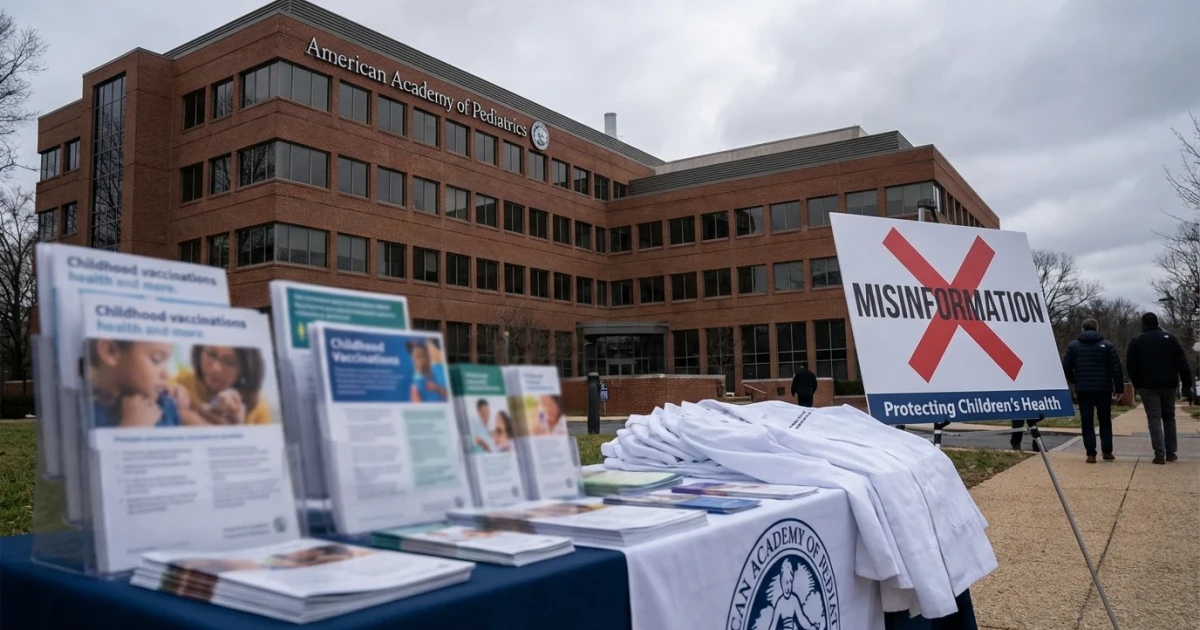
Robert F. Kennedy Jr.’s long-standing criticism of childhood vaccines has encountered a significant challenge as the American Academy of Pediatrics (AAP) released new childhood vaccine recommendations, marking a clear stance that diverges from both the Centers for Disease Control and Prevention (CDC) and Kennedy’s own position.
Pediatricians Push Back Against Vaccine Misinformation
The AAP’s updated guidance comes at a time when vaccine hesitancy—fueled in part by public figures like Robert F. Kennedy Jr.—remains a potent challenge for public health. Kennedy, an independent presidential candidate and prominent vaccine skeptic, has used his public profile to question the safety and efficacy of childhood immunizations. However, the AAP’s recommendations reinforce the prevailing scientific consensus regarding the necessity and safety of routine vaccines for children.
AAP’s Recommendations Highlight Medical Consensus
- The new recommendations from the AAP differ in some respects from those of the CDC, reflecting evolving scientific understanding and the unique concerns of pediatricians on the front lines of child health.
- The AAP’s stance is unequivocal in supporting the routine immunization of children against diseases such as measles, mumps, rubella, and polio—illnesses that remain a threat when vaccination rates decline.
This unified message from pediatricians underlines the medical community’s rejection of claims linking vaccines to autism and other long-debunked side effects—claims often cited by Kennedy.
Vaccine Hesitancy and Public Health Risks
Recent years have seen outbreaks of vaccine-preventable diseases in communities with low immunization rates. The AAP’s recommendations aim to counteract misinformation and encourage parents to follow medical advice rather than celebrity opinion. Pediatricians emphasize that vaccines are not only safe but essential for preventing the resurgence of dangerous childhood diseases.
Key Points Underscored by Pediatricians
- Vaccines remain the most effective tool for preventing serious infectious diseases in children.
- The AAP’s guidance reflects decades of research and clinical experience, aligning with the World Health Organization’s positions.
- Concerns about vaccine side effects are addressed through ongoing monitoring and research, with no credible evidence supporting widespread harm.
The Political and Social Context
Kennedy’s campaign has brought vaccine debates into the national spotlight, but the medical community’s response is clear. Major pediatric organizations are calling for a recommitment to science-based medicine in public discourse. The AAP’s move to release its own recommendations—distinct from the CDC’s—demonstrates a willingness to directly confront misinformation at its source.
As the United States continues to grapple with vaccine hesitancy, the role of trusted medical voices is more vital than ever. The AAP’s actions signal to parents and policymakers alike that pediatricians are standing firm against unproven claims and prioritizing the health of children above political rhetoric.
Looking Ahead: Upholding Science in Vaccine Policy
With Kennedy’s views unlikely to fade from the public conversation soon, the medical community’s unified response sets a precedent for how science can and should inform public policy. The AAP’s recommendations serve as both a guide for parents and a rebuttal to misinformation, underscoring the importance of evidence-based medicine in safeguarding children’s health.