US News
Rice’s Whale Faces Mounting Threats in Gulf of Mexico
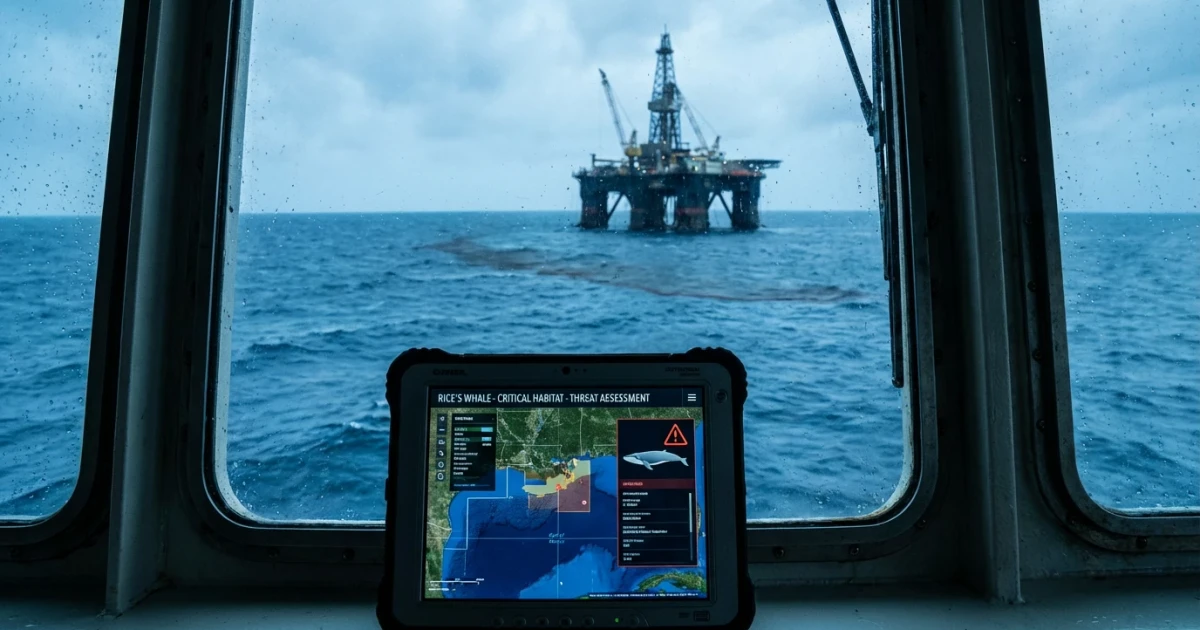
Rice’s whale, a critically endangered species that has existed since before modern humans, is at the center of a heated debate after the Trump administration moved to waive key environmental protections for expanded oil drilling in the Gulf of Mexico. The decision has sparked alarm among conservationists, who warn that the survival of one of the world’s rarest whales may be at stake.
Species on the Brink
First recognized as a distinct species in 2021, Rice’s whale is found only in the northeastern Gulf of Mexico. The IUCN Red List classifies the species as critically endangered, with the most recent estimates indicating that fewer than 100 individuals remain. This makes Rice’s whale one of the world’s most endangered marine mammals.
- Rice’s whales are unique to the Gulf of Mexico, with a home range that does not extend beyond U.S. waters.
- They are threatened by ship strikes, ocean noise, entanglement in fishing gear, and, most prominently, oil and gas activities.
- Recent population assessments suggest numbers may be as low as 51 individuals.
Rollback of Protections
The Guardian reported that the Trump administration’s latest move involves convening the so-called “God Squad” — a rarely used federal committee with the authority to override protections under the Endangered Species Act. This group has now waived certain rules that would have restricted oil and gas leasing in order to protect Rice’s whale habitat.
Previously, the designation of critical habitat for Rice’s whale was intended to limit potentially harmful activities in the Gulf. The new waiver lifts those restrictions, clearing the way for expanded drilling leases and associated industrial activity.
Conservationists Sound the Alarm
Environmentalists and marine scientists have voiced deep concern over the decision. According to a recent status review by NOAA Fisheries, even a single additional human-caused death per year could doom the species to extinction given its precariously low numbers.
Experts highlight that the Gulf of Mexico is already a challenging environment for Rice’s whales due to heavy shipping traffic, chronic pollution, and past oil spills such as the Deepwater Horizon disaster. The Guardian notes that conservation groups are now considering legal challenges to the waiver, arguing it violates the intent of the Endangered Species Act and undermines years of recovery planning.
What’s at Stake
- Rice’s whales are the only baleen whale species resident in the Gulf of Mexico.
- The species plays a crucial role in the marine ecosystem by maintaining food web balance.
- Loss of Rice’s whale would represent the first human-driven extinction of a great whale species in modern times.
The official federal recovery plan emphasizes the need for strict regulation of industrial activity and vessel traffic in key whale habitats. Conservationists warn that the recent waiver undermines these efforts and could set a dangerous precedent for other endangered species.
Looking Ahead
As legal and political battles unfold, the fate of Rice’s whale remains uncertain. Scientists and advocates stress that time is short, and without robust protection, the Gulf’s only resident baleen whale could disappear within our lifetimes.
For readers interested in the science and policy surrounding this issue, further details on the status, threats, and regulatory history of Rice’s whale are available from NOAA Fisheries, the IUCN Red List, and the Federal Register on critical habitat designation.
The coming months will prove crucial for the survival of Rice’s whale, as courts, policymakers, and the public weigh the costs and consequences of expanded oil development in the Gulf of Mexico.