World
Right-wing de la Espriella wins Colombia runoff in razor-thin race
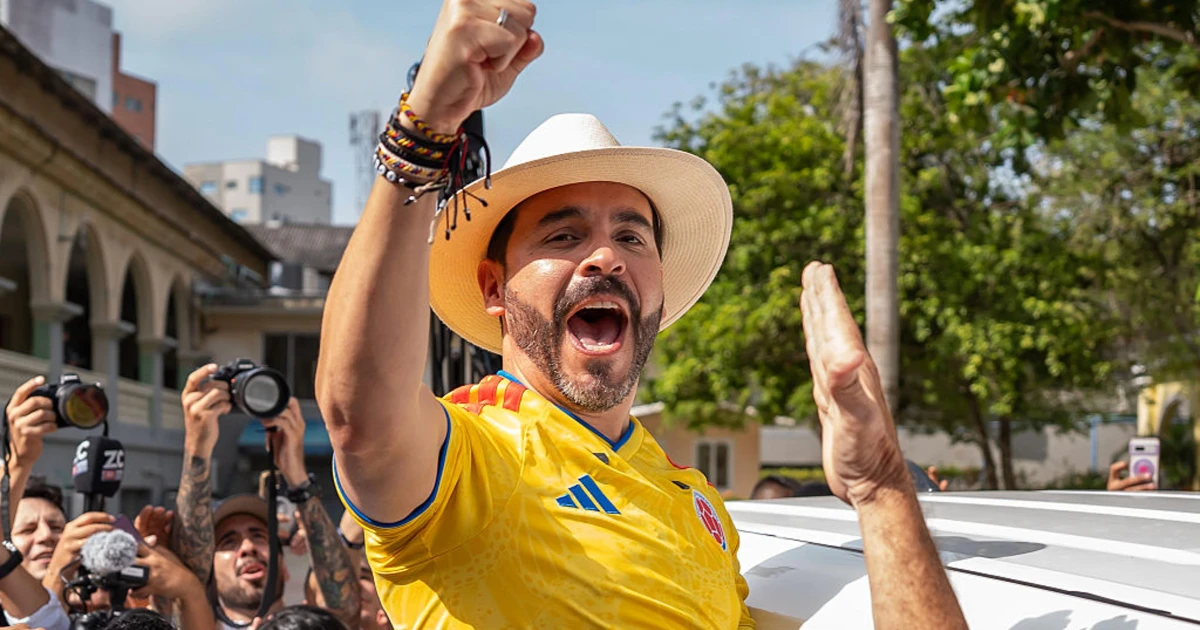
Abelardo de la Espriella won Colombia’s presidential runoff by a razor-thin margin, putting a nationalist outsider with no prior electoral record at the center of a shift that could reshape U.S. policy, migration debates, counternarcotics cooperation and Latin America’s political balance. Preliminary counts gave de la Espriella 49.66% of the vote to Iván Cepeda’s 48.70%, a difference of about 250,000 ballots.
The result capped a tense race in Latin America’s third-largest country, where voters chose between two sharply contrasting visions after a tightly contested first round on May 31 and a runoff on June 21. De la Espriella, a lawyer and political newcomer, ran on crime crackdowns, stronger economic growth, ending peace talks with armed groups and expanding Colombia’s oil and gas sector. Cepeda, aligned with outgoing President Gustavo Petro, promised to continue Petro-era peace negotiations and social programs.
The outcome carried weight well beyond Colombia’s borders because the country is one of Washington’s closest partners in South America, especially on anti-narcotics cooperation and regional security. President Donald Trump endorsed de la Espriella on June 2 and called the result important for Colombia’s future and its relationship with the United States. Trump’s backing added an unusual U.S. spotlight to a contest already shaped by fears over crime and armed violence, frustration with the economy and deep polarization over whether Colombia should keep negotiating with armed groups.
De la Espriella’s win also marked a sharp reversal from Petro’s 2022 victory, when Colombia elected its first left-wing president. With Petro’s exit from center stage, the country moved back toward the right just as conservative forces have gained ground elsewhere in Latin America, including in Peru. That wider trend gives de la Espriella’s victory significance that reaches beyond Bogotá: a more hawkish Colombia could tighten cooperation with Washington on security and drugs, harden the region’s debate over migration, and alter the balance between left and right across South America.
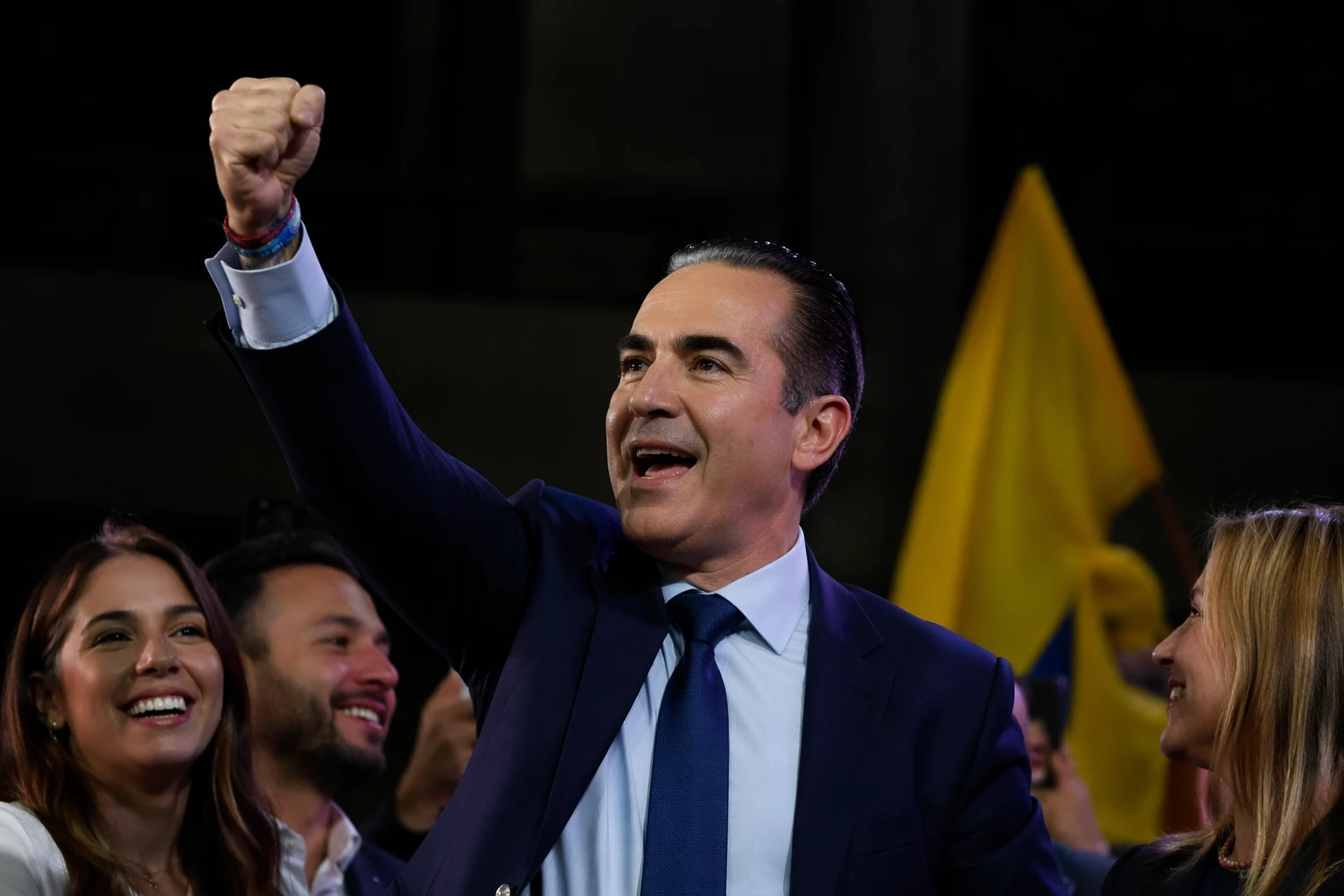
The numbers from the first round showed how split the electorate remained. Turnout reached 57.88%, the highest in Colombia’s presidential-election history, with 23,978,053 voters participating out of an eligible electorate of 41,421,973. Together, the two runoff candidates won 84.64% of valid first-round votes, leaving little room for any claim of a broad national consensus.
That is why de la Espriella now looks less like a conventional conservative than a wildcard. He enters office as an outsider carrying a hardline platform, a Trump endorsement and a mandate drawn from a fractured electorate, all of which leave Colombia’s next moves and their ripple effects across the hemisphere highly consequential.
Sources
- [1]nytimes.com
- [2]usnews.com
- [3]cnbc.com
- [4]edelmanglobaladvisory.com
- [5]as-coa.org
- [6]reutersconnect.com