Sports
Rio streets revive World Cup spirit with colorful neighborhood murals
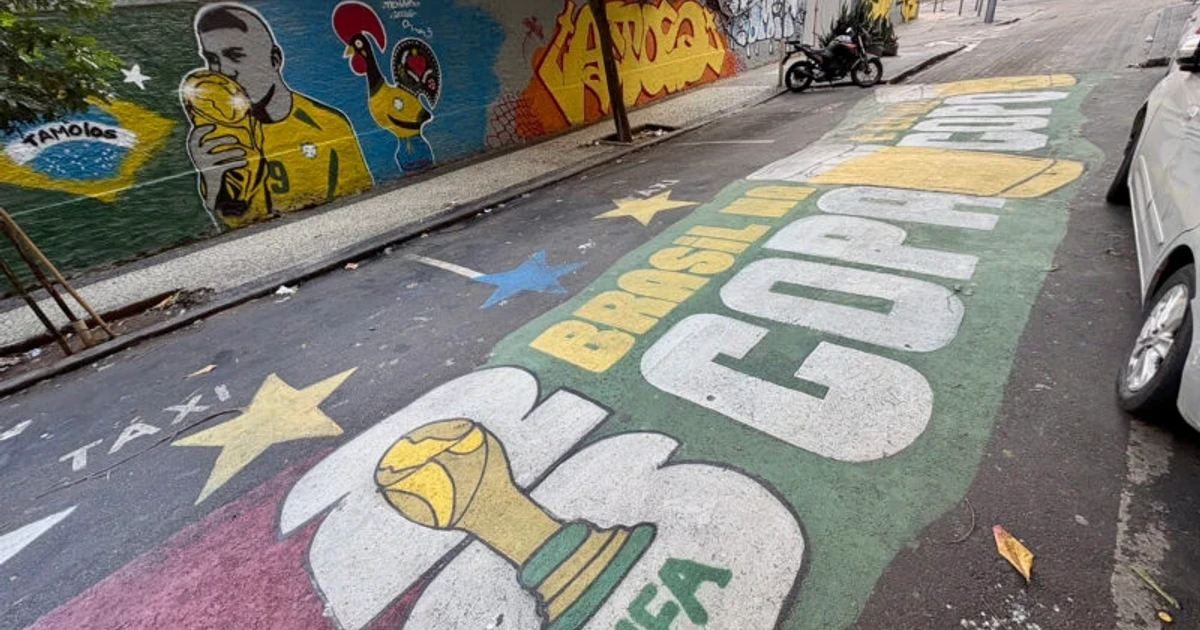
Rio de Janeiro’s neighborhoods are once again splashed in the yellow, green and blue of World Cup belief, a visible sign that Brazil’s national mood has shifted after years of muted enthusiasm. In Tijuca, Saude and the Mare favela, residents have been repainting streets and walls ahead of the 2026 tournament, bringing back a ritual that had weakened in recent years.
Rio de Janeiro City Hall tried to harness that revival on May 28, 2026, when it created the Carioca Street Decoration Contest for the Football World Cup, titled Believing is an Art - Rio in the Colors of the Hexa. The contest will award R$50 to the best-decorated street, alley or lane, R$30 to second place and R$20 to third place, while 20 finalist streets will receive commemorative plaques. City officials said the decorations must not block traffic, accessibility, public safety or public services.
Eduardo Cavaliere said the World Cup has always carried special meaning in Rio’s streets, where entire neighborhoods traditionally mobilize and turn public space into shared meeting ground. That sense of collective ownership has taken on fresh urgency as Brazil chases its sixth men’s World Cup title and tries to end a 24-year drought.
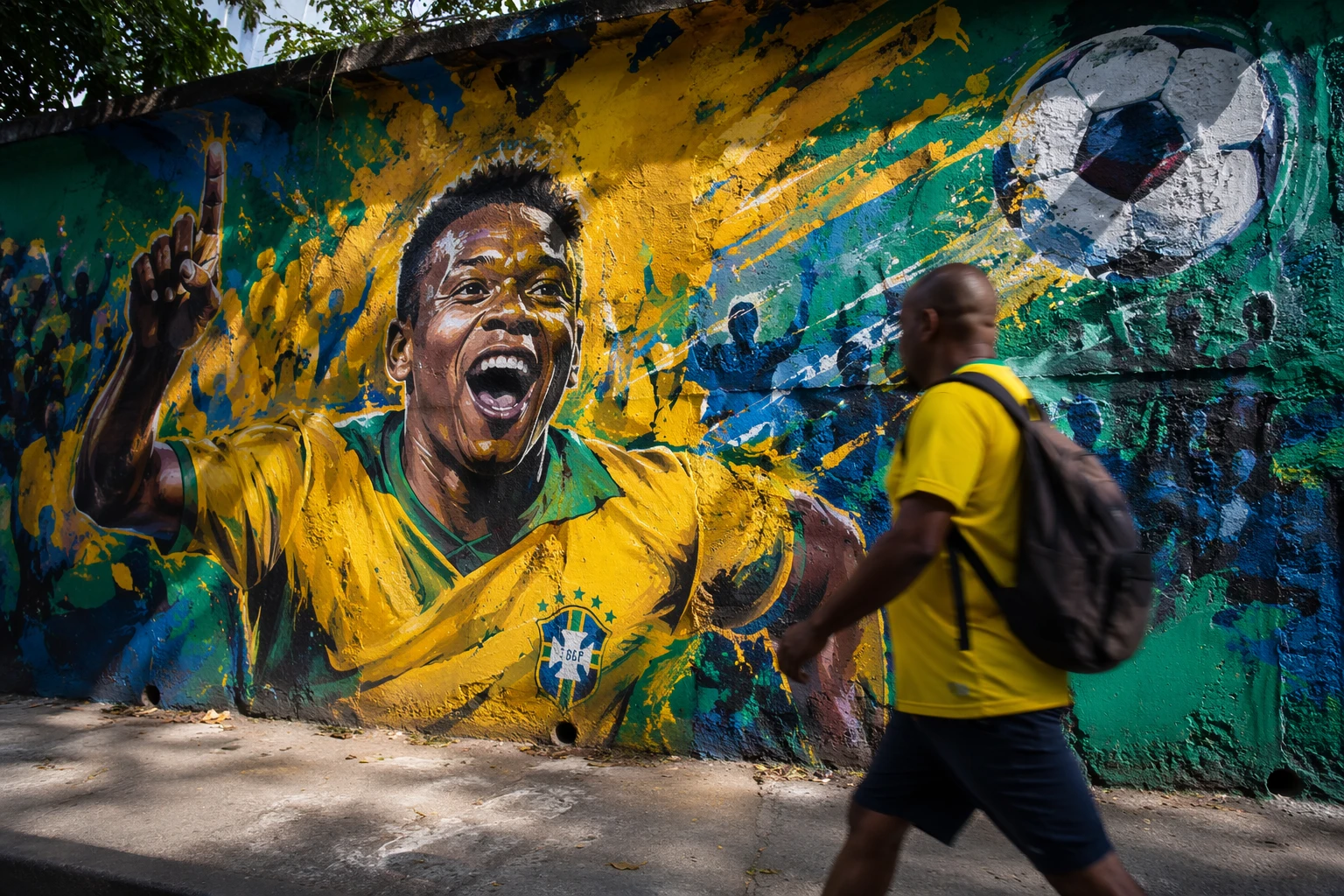
Brazil’s history still looms over the murals. The country won the men’s World Cup in 1958, 1962, 1970, 1994 and 2002, and it hosted the tournament in 1950 and 2014, with both finals played at Maracanã stadium. This year’s run has also been given new energy by the squad itself: on May 18, FIFA announced that Carlo Ancelotti had selected a 26-man Brazil roster for the World Cup, including Neymar.
On Rio’s streets, the comeback is both political and personal. Celso Mendes, who helped organize the painting, said there would be “a big screen like there always is, and a party,” and added that he would be happy if Brazil simply got past the first round. He said the team had not shown much fighting spirit, but that Brazilians keep believing and will cheer for Brazil to be champions anyway.
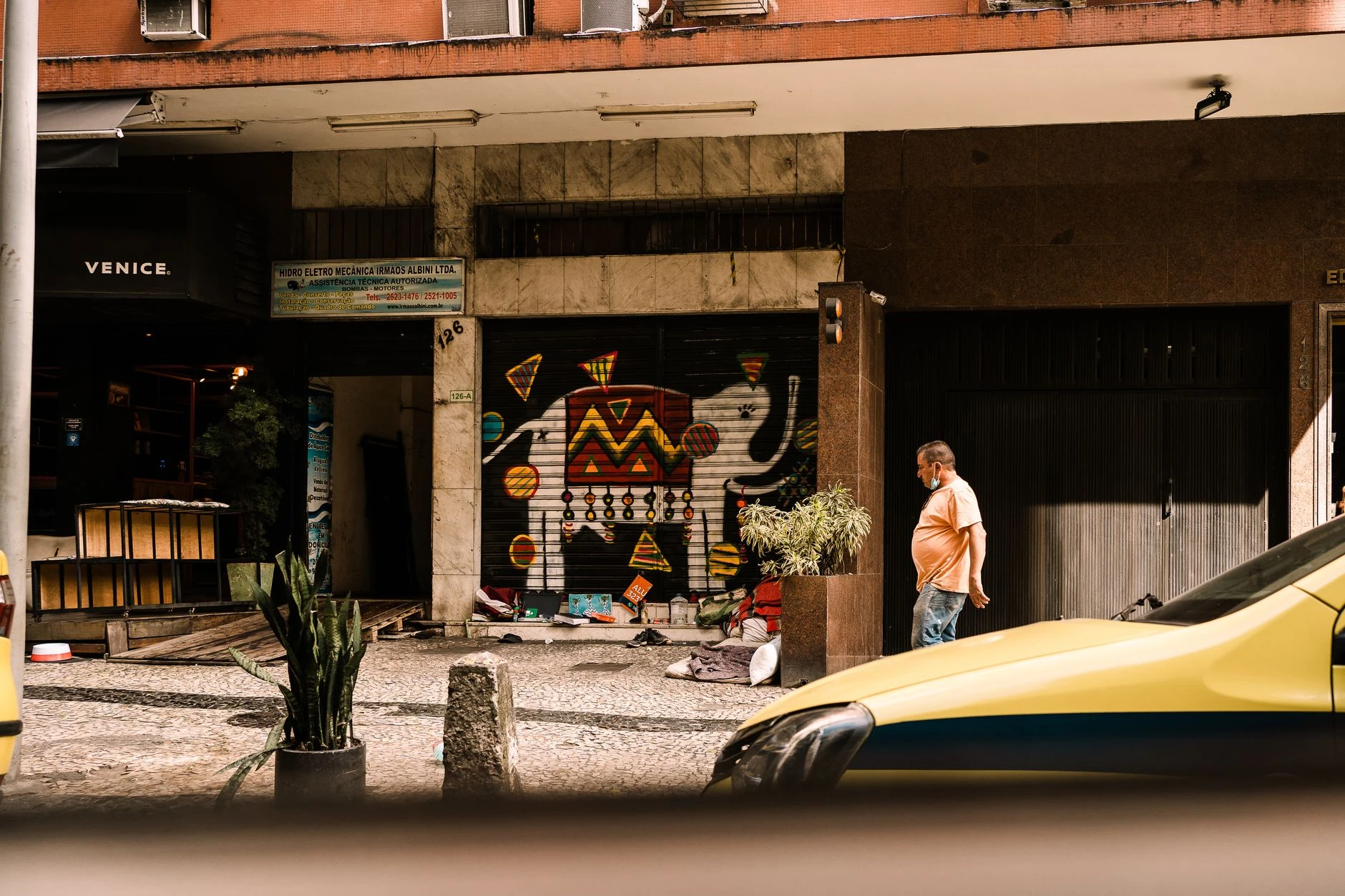
The murals reflect that stubborn optimism. Residents painted cartoons of Vinícius Júnior and a caricature of Ancelotti, while Mendes said the artwork also carried an Italian phrase recalling former Brazil coach Mário Zagallo. Bruno Moreira de Almeida said it matters to bring yet another generation into the tradition so it stays alive, and Evaldo da Silva called street decoration a longtime World Cup custom, one he hopes will bring good luck and another title. In a country where football often mirrors confidence in public life, the painted streets have become the clearest sign that belief is returning.
Sources
- [1]nytimes.com
- [2]en.prefeitura.rio
- [3]reutersconnect.com
- [4]fifa.com
- [5]afp.com