Technology
Riot makes Vanguard anti-cheat launch only when games start

Riot Games has begun letting eligible League of Legends and Valorant players run Vanguard only when a game starts, instead of having the anti-cheat’s driver launch every time Windows boots. The June 24, 2026 change, called Vanguard Pre-Check, is optional and applies only to PCs that already use pre-boot security mechanisms and Windows’ native protection features.
In practical terms, Riot said Vanguard’s driver component will no longer start at system startup on those machines. It will remain off until a Riot game launches, then shut down again when play ends. Riot framed the switch as a way to trim Vanguard’s startup footprint and reclaim taskbar space, a small but visible concession for players who have long complained about always-on kernel-level software.

Riot’s League of Legends support pages describe Vanguard as a client plus a kernel-mode driver, and the company says it can be exited from the system tray or uninstalled. But that control has a hard limit: League of Legends cannot be played without it. Riot said it performed extensive internal testing and external security audits before making the change, and it tied Vanguard’s expansion in League in part to a security breach in early 2023 and to the fact that some player operating systems no longer receive security updates from their developers.
The new mode arrives after years of escalating anti-cheat enforcement. In September 2024, Riot said Vanguard had banned more than 3.6 million cheating accounts in VALORANT over four years, a pace it described as roughly one ban every 37 seconds. Riot also said automated detections were doing more of the work than hardware actioning, even as it kept building new enforcement methods. On December 18, 2025, Riot warned that a motherboard firmware flaw could allow hardware-based cheats to inject code before Windows loads, which led to stricter boot-security checks and possible VAN:Restriction blocks on affected systems.
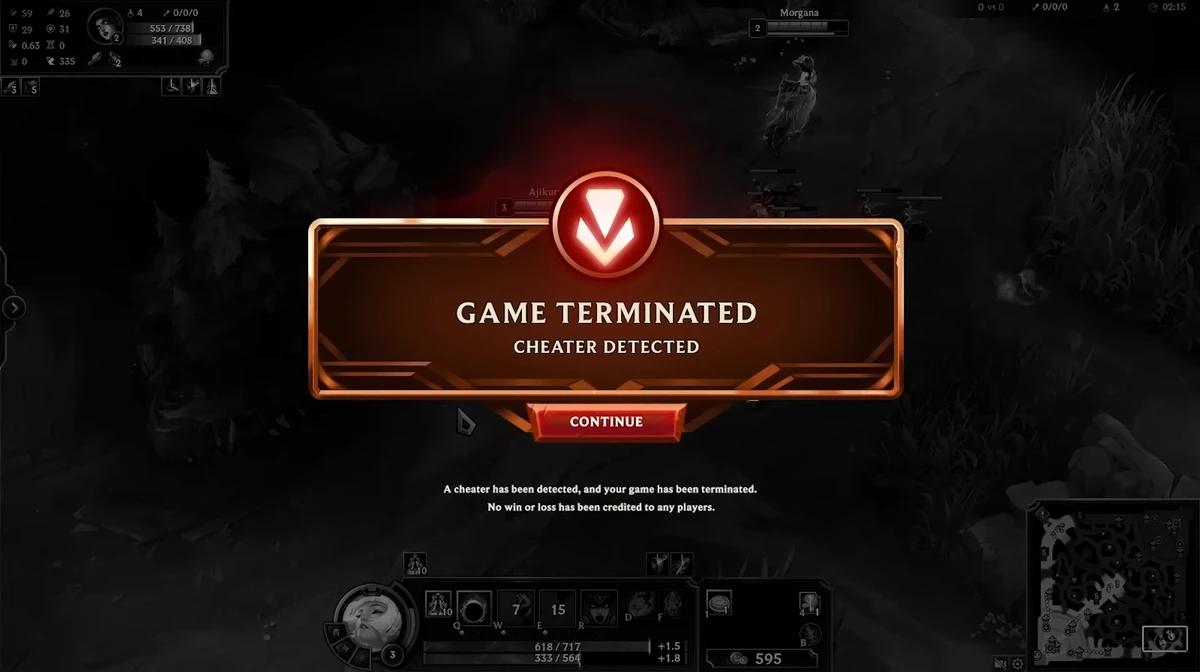
That history gives the new on-demand mode its central tension. Riot is offering more control to players who want less software running in the background, but the tradeoff is that the option exists only for machines that already meet stricter security requirements. For players with the right hardware, Vanguard becomes less intrusive. For everyone else, the old bargain remains: accept the always-on driver, or give up access to Riot’s biggest competitive games.