Science
Rising Care Costs Drive Families to Tiny Home Solutions
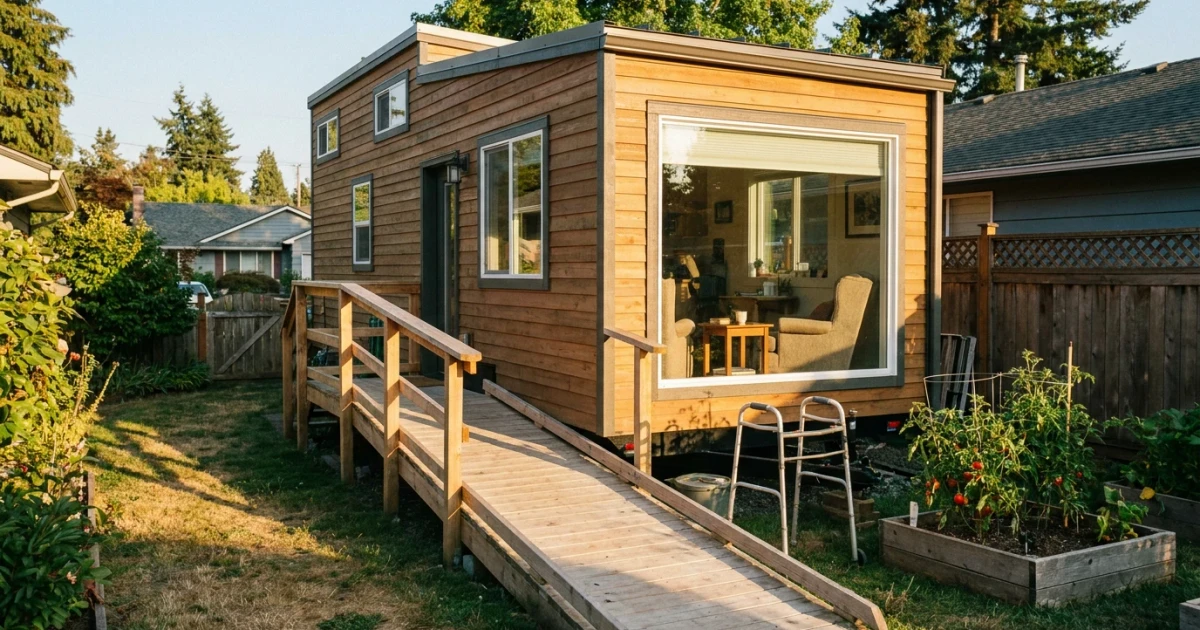
The high cost of dementia care is forcing many families to seek creative alternatives to traditional assisted living facilities. A recent story shared by Business Insider highlights one family’s experience: unable to afford the mounting expenses, they moved their mother into a tiny house next door, providing care within close reach and a familiar setting.
The Price of Dementia Assisted Living
Assisted living, particularly for residents with dementia or Alzheimer's, has become a significant financial burden for families across the United States. According to the Genworth Cost of Care Survey, the national median monthly cost for an assisted living facility is over $4,500, with memory care services often commanding even higher fees due to specialized supervision and programming. Over the past decade, industry data from the Federal Reserve Economic Data (FRED) shows a steady upward trend in these costs, outpacing general inflation rates.
- The Consumer Price Index for Medical Care Services reports that prices have risen markedly in the last few years.
- Specialized memory care can cost 20% to 30% more than standard assisted living, depending on location and amenities.
For many middle-class families, these costs quickly become unsustainable. The Economic Impact of Dementia in the United States research underscores that the annual financial burden of dementia, including out-of-pocket care and lost wages, can reach tens of thousands of dollars per family.
Turning to Tiny Homes for Care
As traditional options become less attainable, some families are embracing alternative living arrangements. The Business Insider story details how one family, after being priced out of assisted living, chose to place a tiny house on their property so their mother could live nearby. This solution allowed them to provide direct support while maintaining her sense of independence and dignity.
This approach is part of a growing trend. The National Association of Home Builders reports a steady rise in tiny home construction, with many homes specifically designed for accessibility and aging in place. Tiny homes can often be built and equipped for a fraction of the annual cost of assisted living, offering families more control over their loved one’s environment and routines.
- Tiny homes typically range from 200 to 400 square feet, making them manageable for mobility and safety.
- Custom features can include barrier-free showers, ramps, and smart home monitoring systems.
Broader Implications and Housing Trends
This shift reflects larger demographic and economic forces. The U.S. Census Bureau notes that multigenerational and alternative housing arrangements are on the rise, driven by both cultural preferences and financial necessity. With the population aged 65 and older projected to increase significantly over the next two decades, the demand for flexible, affordable care solutions is expected to grow.
Industry data from the American Health Care Association shows occupancy rates in traditional facilities remain high, but there is increasing interest in home-based and community-based care models, including accessory dwelling units and tiny homes.
Looking Ahead
As assisted living costs continue to climb, more families may follow the lead of those featured in recent reports, opting for close-to-home solutions like tiny houses to care for aging relatives. Policymakers, builders, and care providers are taking note, exploring ways to support these transitions with better financing, design, and home-based care resources. For now, the tiny home trend offers a practical, compassionate alternative in an era of rising care expenses.