Business
Rising Gas Prices Squeeze Drivers Who Rely on Their Own Cars
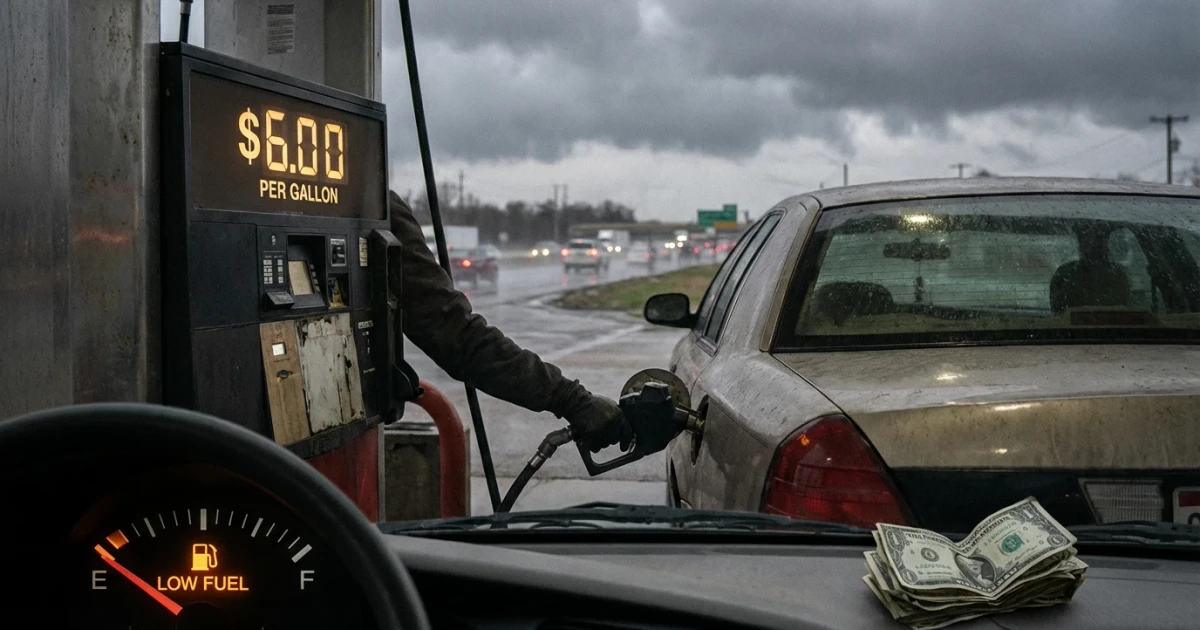
Gasoline prices across the United States are approaching $6 per gallon, leaving a significant mark on workers who rely on their own vehicles to earn a living. From rideshare drivers to delivery workers and independent contractors, the burden of rising fuel costs is prompting hard decisions and squeezing already-thin margins.
The Impact on Drivers’ Bottom Lines
For millions of gig economy workers and self-employed individuals, the increase in fuel prices means every mile driven is more expensive. According to recent weekly average gasoline price data, the national average is nearing $6 per gallon—a level not seen in many years. The Associated Press reports that drivers are feeling a “double blow” as their earnings are directly tied to the cost of keeping their cars on the road.
- Rideshare drivers, who often cover hundreds of miles each week, see fuel as one of their largest expenses.
- Delivery drivers and couriers, whose compensation may not adjust for rising costs, are especially vulnerable.
- Other self-employed workers, such as real estate agents or home care aides, also face increased costs for daily travel.
Why Gas Prices Matter More for Some Workers
Unlike salaried employees with company cars or fuel stipends, most gig economy and contract workers must absorb every penny of rising fuel costs themselves. The Bureau of Labor Statistics estimates that millions of Americans are classified as self-employed or gig workers. Many of these workers operate in sectors—like ride-hailing, delivery, and home services—where driving is an essential part of the job.
The IRS annually adjusts its standard mileage rates to reflect average vehicle operating costs, including gasoline. However, rapid spikes in fuel prices can outpace these adjustments, leaving workers with unreimbursed costs.
Stories from the Road
AP News highlights the voices of rideshare and delivery drivers feeling the pinch. Many report that as fuel prices rise, their take-home pay declines, sometimes to unsustainable levels. Some drivers are cutting shifts, seeking alternative work, or shifting to more fuel-efficient vehicles where possible. Others are pushing for higher fares or delivery fees to offset their increased expenses.
Broader Economic Context
Rising gasoline prices also contribute to broader inflationary pressures, affecting not just workers but consumers and businesses nationwide. The Consumer Price Index for gasoline helps track how these price increases impact the cost of living. For gig workers, inflation erodes real income at the same time as expenses climb, a dynamic explored in recent analyses comparing today’s gas prices to historical trends.
These challenges are not new, but the current spike—driven by a mix of global supply issues and increased demand—has forced many workers to reconsider their participation in the gig economy. According to the Bureau of Labor Statistics, ride-hailing drivers are particularly sensitive to operating costs and may reduce hours or leave the industry when fuel prices rise sharply.
What Comes Next?
As gasoline prices show little sign of a quick decline, workers who depend on their vehicles for income are bracing for a difficult road ahead. Many are calling for policy interventions, such as temporary fuel tax relief, fare adjustments, or increased mileage deductions, to help offset the impact.
The situation underscores the vulnerability of gig and self-employed workers to economic shocks, and highlights the importance of tracking official gasoline price data and understanding how these trends ripple through the economy. As the nation watches fuel prices closely, the stories of those most affected remain a crucial part of the conversation.