Business
Rising Gas Prices Threaten to Offset Larger Tax Refunds
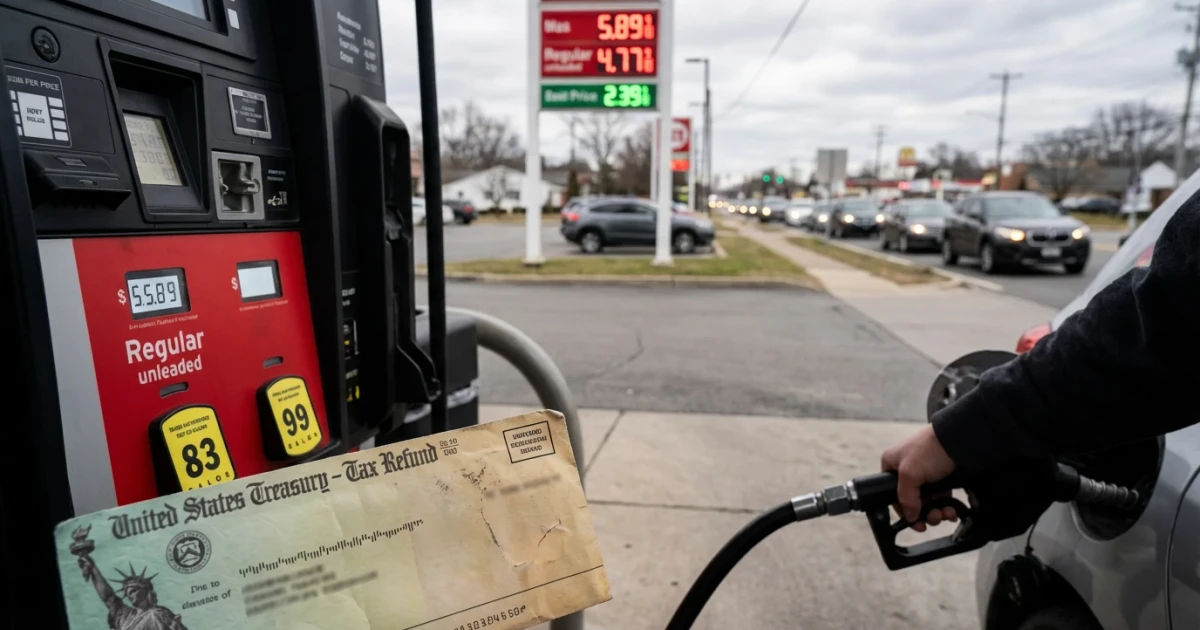
Americans anticipating larger tax refunds this year may face disappointment as surging gas prices, propelled by ongoing conflict with Iran, threaten to erode those financial gains. According to AP News, although the average tax refund is higher this tax season, the increase in everyday expenses—especially at the gas pump—could absorb much of the extra money households expected to keep.
Tax Refunds on the Rise
The Internal Revenue Service (IRS) reports that the average refund is up for 2023, giving taxpayers a welcome boost after years of economic uncertainty. Official IRS statistics show that more Americans are receiving larger refunds, a point frequently highlighted by former President Donald Trump in recent public statements. Tax policy experts explain that these higher refunds are the result of inflation adjustments and recent tax code changes. For a breakdown of how refunds work and what affects their size, see this Tax Policy Center explainer.
- IRS data confirms an uptick in the average refund compared to previous years
- Millions of Americans rely on their refund as a financial cushion each spring
Gasoline Prices Surge Amid Middle East Unrest
The optimism of larger refunds is being tempered by a sharp rise in gasoline prices. The U.S. Energy Information Administration (EIA) tracks weekly national gas prices, which have been climbing steadily since the escalation of the Iran conflict. According to the EIA's historical data, the average price for regular gasoline has surpassed $4.00 per gallon nationwide in recent weeks—a significant increase from earlier in the year.
- Gasoline prices are at their highest level in over a year
- Conflict with Iran has disrupted global oil supplies, impacting prices at the pump
- Explore global oil market data for a broader context
Impact on Household Budgets
Rising energy costs, particularly for gasoline, hit working families hardest. Analysis from the Congressional Budget Office shows that increases in fuel prices disproportionately affect lower- and middle-income households, who spend a larger share of their income on transportation. Many Americans who were counting on their tax refunds for debt repayment, savings, or basic expenses may now have to redirect those funds toward higher fuel costs.
Using the Bureau of Labor Statistics inflation calculator, consumers can see how much purchasing power is being lost to rising prices. The combination of larger refunds and higher gas prices means the net benefit to taxpayers may be marginal—or, in some cases, wiped out entirely.
Political and Economic Implications
Former President Trump, who has promoted the larger tax refunds as a sign of his administration's economic policies, faces criticism that the ongoing war with Iran is undercutting those gains. While the larger refunds offer short-term relief, the surge in gas prices raises questions about the lasting impact of current fiscal and foreign policy decisions.
Looking Ahead
As the situation in the Middle East continues to affect energy markets, experts warn that volatility at the pump may persist into the summer driving season. Policymakers and economists are closely monitoring both tax policy and global events to assess the real-world impact on American wallets.
For now, consumers are urged to factor in higher transportation costs when budgeting their tax refunds, and to stay informed through official data sources as both the economic and geopolitical landscapes evolve.