Health
Rising Maternal Health Risks Highlighted by Emergency During Labor
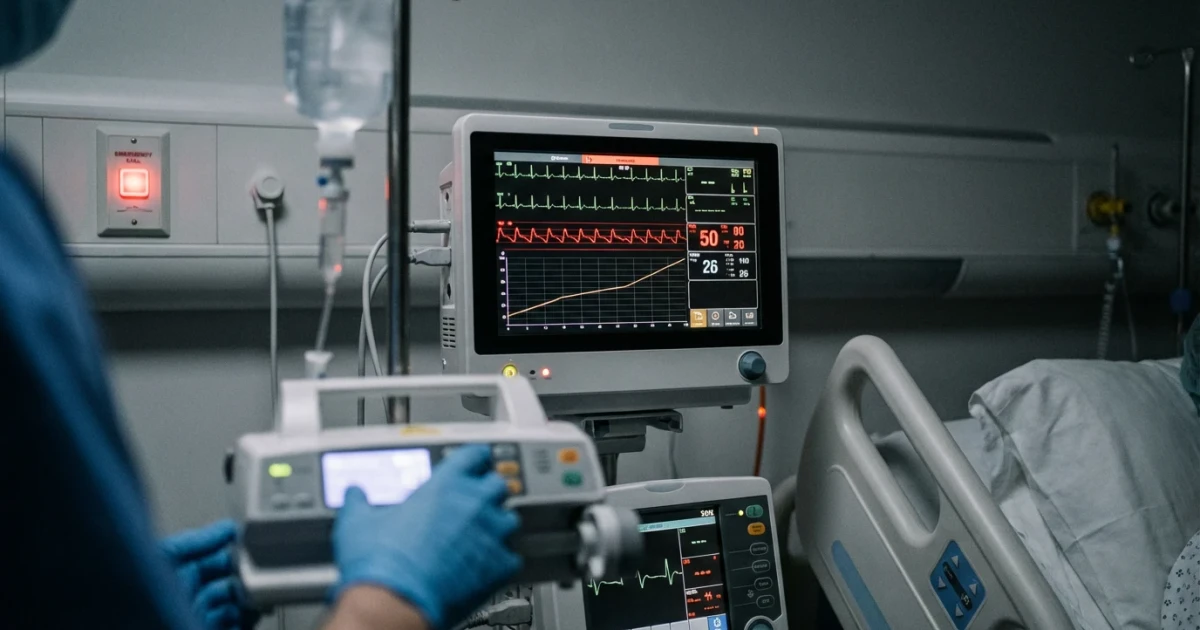
Maternal health in the United States is facing renewed scrutiny following a recent report from CBS News detailing a mother's near-fatal experience during labor. The incident, marked by the mother's chilling realization—"I think I'm about to die"—has brought attention to the warning signs of life-threatening pregnancy complications and the urgent need for improved maternal care.
Understanding Maternal Mortality and Severe Complications
According to the Centers for Disease Control and Prevention (CDC), the United States has one of the highest maternal mortality rates among developed nations. The agency tracks maternal deaths and severe complications, which can arise during pregnancy, labor, or shortly after delivery. Among the most common causes are hemorrhage, preeclampsia, infection, and cardiomyopathy.
- Recent CDC data shows maternal mortality rates have increased in recent years, particularly among Black and Indigenous women.
- The World Health Organization notes that while most maternal deaths are preventable, timely recognition and treatment of warning signs are critical.
The Critical Moment: Recognizing Warning Signs in Labor
The CBS News story highlights how a mother's instinctive fear during labor—expressed as "I think I'm about to die"—can signal a rapidly developing emergency. Experts advise that severe symptoms such as extreme pain, heavy bleeding, shortness of breath, swelling, or a sense of impending doom should never be ignored.
Obstetricians emphasize that these symptoms may precede serious complications like eclampsia, embolism, or hemorrhage, all of which require immediate medical intervention. The American College of Obstetricians and Gynecologists (ACOG) urges that patients and medical staff alike be educated on these danger signs to ensure prompt response.
Systemic Challenges and Disparities in Maternal Care
Beyond individual cases, systemic challenges continue to hinder maternal health outcomes:
- The March of Dimes Perinatal Data Center reports persistent disparities in maternal outcomes by race, income, and geography.
- Rural hospitals face shortages of obstetric providers, leading to delayed or insufficient care during emergencies.
- Implicit bias and communication gaps between patients and providers can result in overlooked symptoms and delayed treatment.
Stories like the one reported by CBS News echo the findings of public health researchers: many severe maternal complications can be prevented with better education, access, and responsive care. Transparent reporting and case reviews are key to identifying patterns and preventing future tragedies.
What Families and Providers Can Do
Experts recommend the following steps to improve maternal safety:
- Educate expectant mothers and families about pregnancy complications and warning signs.
- Encourage open communication with healthcare providers; do not hesitate to report symptoms, however vague or alarming they may seem.
- Advocate for comprehensive prenatal and postnatal care, including regular check-ups and emergency planning.
Looking Forward: Addressing Maternal Health Risks
The mother's experience, as described in CBS News, serves as a powerful reminder of the unpredictable risks of childbirth and the importance of listening to patients. With ongoing efforts to improve clinical guidelines, expand access to care, and raise awareness of warning signs, public health advocates hope to reduce maternal mortality and save more lives.
For more information on maternal health and safety, readers can explore official data from the CDC, global trends from the WHO, and practical guidance from the ACOG.