Health
Rising Measles Cases Prompt Renewed Vaccine Appeals in US
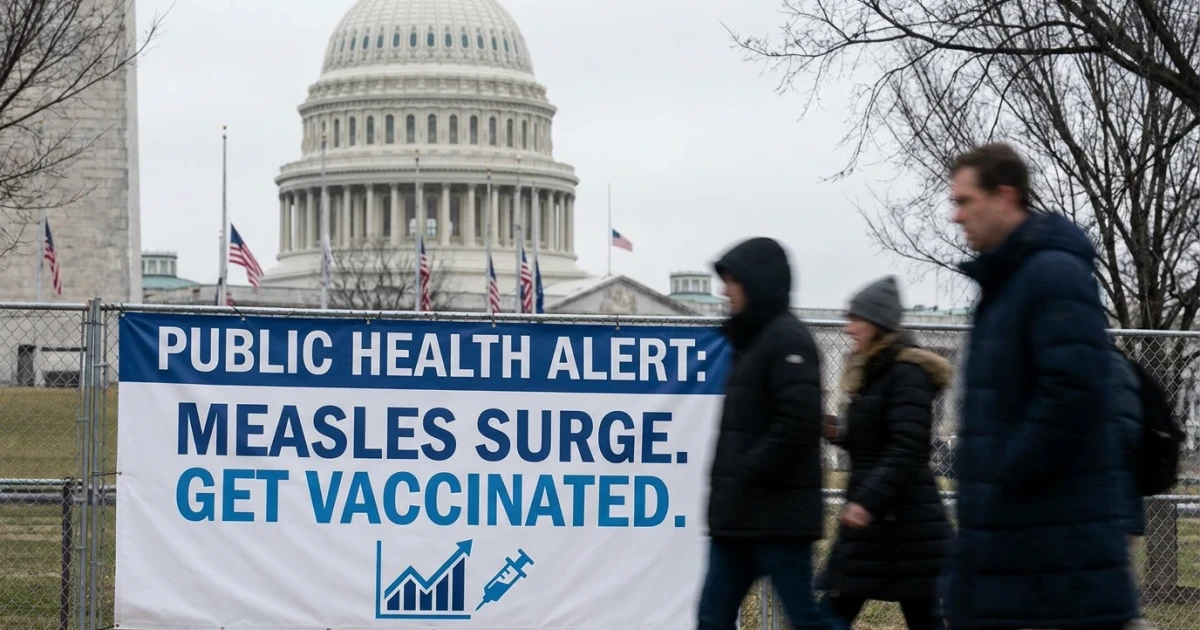
US public health officials are intensifying calls for measles vaccination as the nation faces a surge in reported cases, highlighting the enduring importance of immunization in preventing outbreaks.
Measles Cases Climb Across the Country
The United States has witnessed a significant uptick in measles cases in recent months, raising alarms among health experts and government agencies. According to the Centers for Disease Control and Prevention (CDC), the number of cases reported so far this year exceeds typical annual figures seen over the past decade. Although measles was declared eliminated from the US in 2000, imported cases and localized outbreaks have continued to challenge public health systems.
- Measles is highly contagious, with a transmission rate that can affect 9 out of 10 susceptible individuals exposed to the virus.
- Clusters of outbreaks have been reported in communities with lower measles vaccination coverage.
- The CDC has tracked hundreds of cases in the first months of this year, compared to the annual average of fewer than 100 in recent years.
Health Officials Stress Importance of Vaccination
In response to rising case counts, leading health officials are urging Americans to take action. Dr. Mehmet Oz, a prominent US health official, captured the urgency of the situation with a direct appeal:
"Take the vaccine, please."
The CDC and World Health Organization (WHO) continue to emphasize that the MMR vaccine remains the safest and most effective way to prevent measles, mumps, and rubella, and to stop outbreaks before they start. According to the CDC, two doses of the MMR vaccine are about 97% effective at preventing measles.
Factors Behind the Surge
Experts point to several factors driving the current increase in cases:
- Vaccine hesitancy fueled by misinformation and declining trust in public health recommendations.
- Gaps in immunization coverage, particularly in certain communities or regions.
- Increased global travel, which can reintroduce the virus from areas where measles remains endemic.
Data from the CDC show that national vaccination rates have slipped in recent years, with some states reporting coverage below the 95% threshold needed for herd immunity. This creates pockets of vulnerability where outbreaks can spread quickly.
Measles Risks and Prevention
Measles is more than a childhood rash; it can lead to severe complications, including pneumonia, encephalitis, and even death, especially in young children and immunocompromised individuals. According to the WHO, measles remains a leading cause of vaccine-preventable deaths worldwide.
The CDC recommends that children receive their first dose of MMR vaccine at 12-15 months and the second dose at 4-6 years of age. Unvaccinated adults and international travelers are also advised to consult their healthcare providers about immunization.
Looking Ahead
With measles cases on the rise, health officials are reinforcing the message: vaccination is critical to individual and community protection. As Dr. Oz and other leaders continue their outreach, the hope is that increased awareness and action will halt the current surge and prevent future outbreaks. For those seeking more information, the CDC provides up-to-date data on measles cases and outbreaks and guidance on MMR vaccination.