Health
Rising Parental Refusal of Newborn Preventive Care Raises Concerns
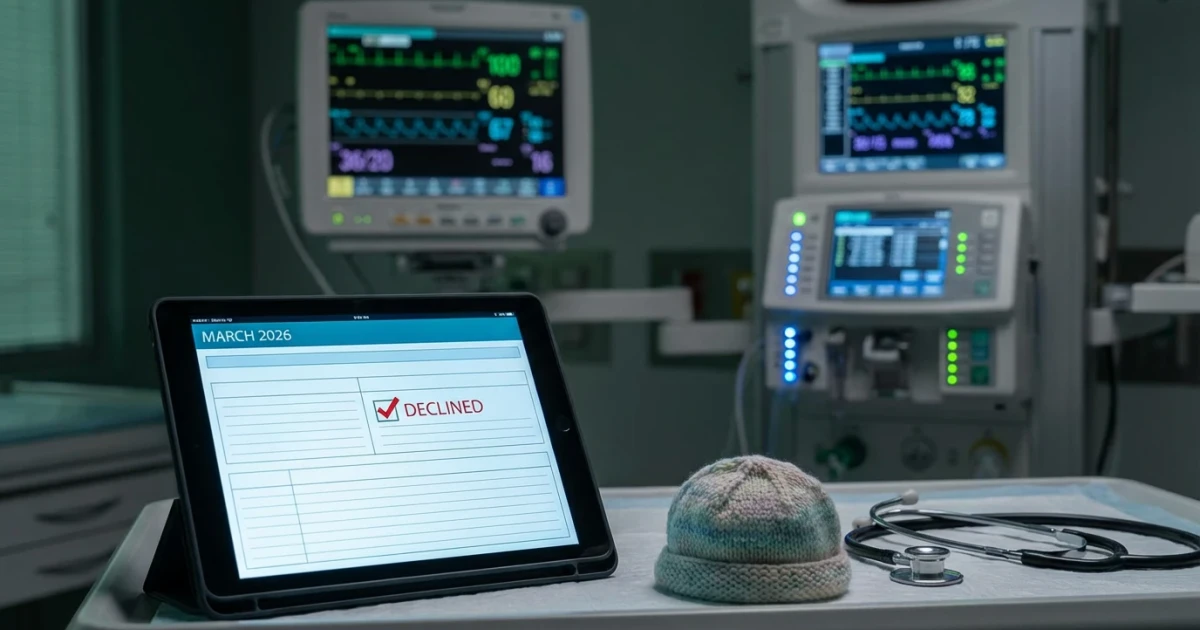
Recent trends show a growing number of parents are refusing not only routine vaccinations for their newborns but also other essential preventive care measures. Health officials and pediatric organizations are expressing increased concern about the potential long-term impacts of these decisions on child health and public safety.
More Than Vaccines: Declining Preventive Newborn Care
While vaccine hesitancy has been well-documented in recent years, new data indicate that parental refusals are extending beyond recommended immunizations for children. According to recent reporting by KSL.com, parents are increasingly declining essential newborn preventive care practices such as vitamin K injections, antibiotic eye ointment, and the first dose of hepatitis B vaccine administered shortly after birth.
The American Academy of Pediatrics and Centers for Disease Control and Prevention recommend a series of routine interventions immediately after birth to protect infants from serious health risks. These include:
- Vitamin K injection to prevent potentially life-threatening bleeding disorders
- Antibiotic eye prophylaxis to prevent bacterial eye infections
- Hepatitis B vaccine to protect against chronic infection
While most U.S. newborns have historically received these preventive measures, both the CDC and independent researchers have noted a measurable decline in their uptake since the COVID-19 pandemic began.
Data Show Declining Uptake Since Pandemic
CDC data published in 2024 highlighted a troubling drop in key newborn care practices during and after the COVID-19 pandemic. The report found that from 2017 to 2022, rates of vitamin K administration and hepatitis B vaccination within the first day of life fell modestly but significantly. For example:
- The percentage of infants receiving the hepatitis B vaccine on their first day dropped from 85.4% in 2017 to 80.2% in 2022.
- Vitamin K administration rates, while still high, saw a slight decline among certain demographic groups and geographic regions.
Health experts say even small declines are worrying because these interventions are highly effective at preventing rare but severe conditions.
Why Are Parents Refusing Routine Care?
Research into parental refusal of newborn preventive care, such as a systematic review published in 2023, found a complex mix of factors driving these trends. Key reasons include:
- Misinformation about the safety or necessity of interventions like vitamin K shots and vaccines
- Concerns about potential side effects or ingredients
- Desire for a more "natural" birth experience with minimal medical intervention
- General mistrust of the medical system, amplified by pandemic-era controversies
Some parents conflate vitamin K injections and eye ointment with vaccines, or mistakenly believe these are unnecessary for healthy infants. Others are influenced by social media and online communities spreading unverified claims.
Health Risks of Skipping Newborn Preventive Measures
Medical experts warn that refusing routine newborn preventive care can have serious, and sometimes fatal, consequences. For example:
- Infants who do not receive the vitamin K shot are at risk for vitamin K deficiency bleeding, which can cause brain hemorrhage and death.
- Declining eye ointment increases the risk of severe eye infections that can lead to blindness.
- Delaying or skipping the hepatitis B vaccine leaves infants vulnerable to a virus that can cause lifelong liver disease.
According to the CDC, these preventive practices are long-established, evidence-based interventions that have dramatically reduced preventable newborn illnesses over the last century.
Regional and Demographic Variations
Data from the Kaiser Family Foundation and CDC show that refusal rates for preventive newborn care vary by state, hospital, and demographic group. Some states have seen higher rates of refusal, particularly in communities with greater vaccine hesitancy or home birth prevalence. Urban and rural differences are also noted in the official CDC tables.
Public Health Response and Recommendations
Pediatricians and public health officials are ramping up educational efforts to counter misinformation and encourage new parents to follow the recommended immunization and preventive care schedule. Experts stress that these interventions are critical to protecting newborns during their most vulnerable period and preventing the resurgence of rare but serious diseases.
As the issue gains more attention, health agencies are calling for renewed trust in science-based medical guidance and better communication between families and care providers.
The long-term effects of declining newborn preventive care remain uncertain, but experts agree that sustained drops in these practices could reverse decades of progress in infant health.