Health
Rising vet bills force painful end-of-life choices for elderly pets

Some veterinary bills can reach well over £10,000, and that price tag is forcing owners of elderly pets to weigh surgery, chemotherapy and intensive hospital care against euthanasia. BBC reporting has linked rising vet bills to more pets being put down or having treatment delayed.
In January 2022, vets warned that too many pets were being kept alive when euthanasia might be the kindest option, as owners spent thousands of pounds on procedures that only prolonged suffering. The issue is most acute when older dogs or cats need repeated scans, surgery or cancer treatment, because the final decision is no longer only medical. It becomes a household budget problem.
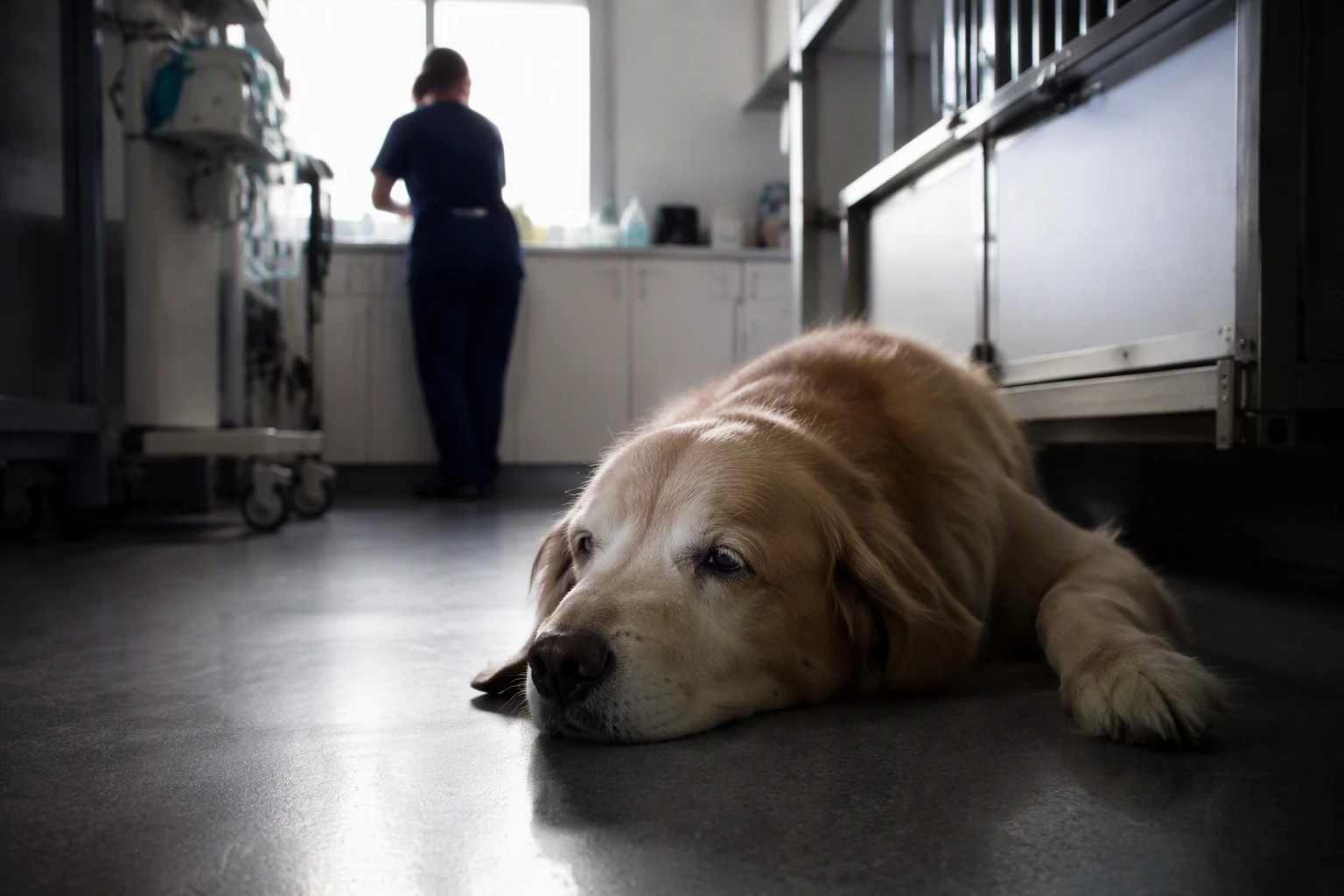
That tension has been studied directly in dogs. The Royal Veterinary College’s VetCompass project published work in May 2021 showing euthanasia as a common endpoint for dogs and said the research was designed to help vets and owners prepare for that decision. The aim was practical as much as clinical, because the question often arrives only after an animal’s decline has become impossible to ignore.
A more recent paper in Frontiers in Veterinary Science, published in February 2023, added life-expectancy tables for dogs and cats based on clinical data. Those tables give owners a more data-driven sense of how long pets may live and how often late-life disease can arrive. In 2024, Scientific Reports analysed 52,000 deceased cats and dogs and found socioeconomic disparities in premature mortality, underscoring that money shapes health outcomes long before the final appointment.

The University of Edinburgh said in 2024 that pet owners in financial difficulty can face heart-wrenching dilemmas over unexpected veterinary care. The PDSA says euthanasia can sometimes be the only way to ease a pet’s pain and suffering, while RSPCA veterinary financial support and CAP UK guidance offer some help with bills. Even so, the gap between what treatment costs and what families can afford continues to define the hardest choices at the end of a pet’s life.
Sources
- [1]washingtonpost.com
- [2]theguardian.com
- [3]rvc.ac.uk
- [4]frontiersin.org
- [5]nature.com
- [6]ed.ac.uk
- [7]pdsa.org.uk
- [8]vethelpdirect.com
- [9]bbc.com
- [10]sciencedirect.com
- [11]rspca.org.uk
- [12]capuk.org