Health
Rising Vitamin K Shot Refusals Linked to Infant Bleeding Cases
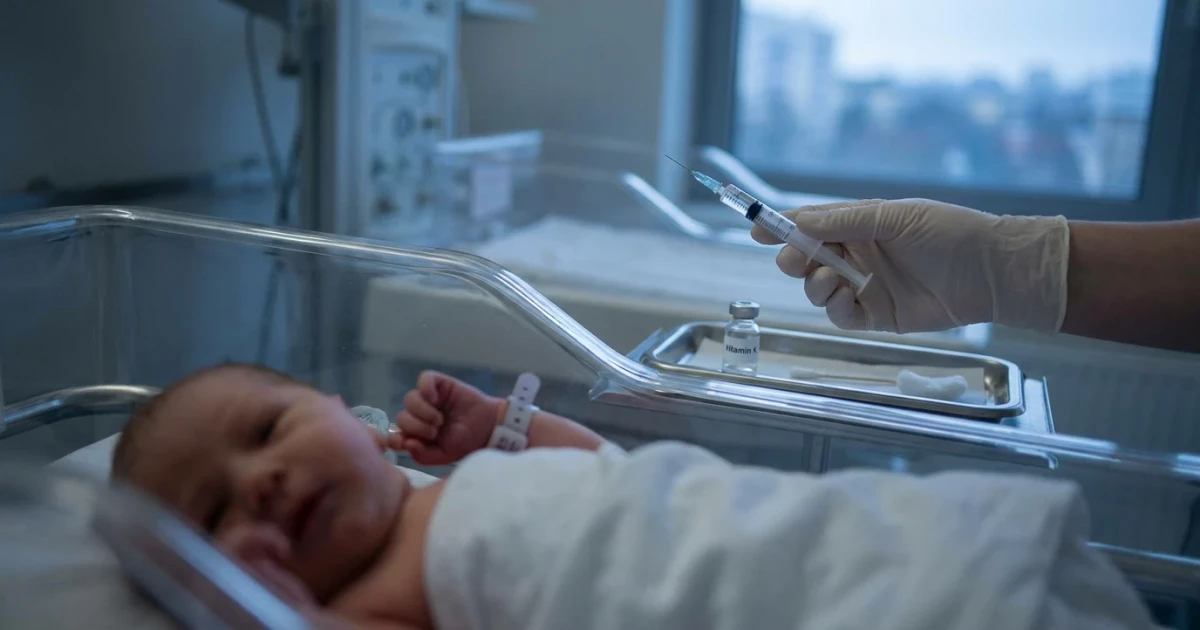
Health experts are raising alarms as an increasing number of parents are declining vitamin K shots for their newborns, leading to a resurgence of rare but life-threatening bleeding cases in infants. The trend, highlighted in a recent ProPublica report, is causing renewed concern among pediatricians and public health officials who warn that the consequences can be devastating.
Understanding Vitamin K Deficiency Bleeding
Vitamin K is essential for normal blood clotting. Newborns are naturally born with low levels of vitamin K, putting them at risk for Vitamin K Deficiency Bleeding (VKDB), a condition that can cause serious internal bleeding, brain hemorrhage, and even death. For decades, hospitals in the United States have administered a single vitamin K injection shortly after birth, a practice recommended by the American Academy of Pediatrics since 1961.
- According to the Centers for Disease Control and Prevention (CDC), VKDB is preventable in almost all cases with the vitamin K shot.
- Without the shot, incidence rates of VKDB can be as high as 1 in 60 to 1 in 250 infants, compared to less than 1 in 100,000 among those who receive prophylaxis.
- Severe outcomes include brain damage and death.
Recent Outbreaks and Data
Despite overwhelming medical consensus, a small but growing number of parents are opting out of the vitamin K injection, often due to misinformation or concerns about vaccine safety. This has led to outbreaks of VKDB in several states.
For example, a 2022 CDC Morbidity and Mortality Weekly Report documented an outbreak in Tennessee, where four cases of late-onset VKDB were reported in infants whose parents declined the vitamin K shot. All four required hospitalization, and two suffered brain bleeds. Similar clusters have been reported in other states, according to the CDC.
Why Are Parents Refusing the Shot?
ProPublica’s investigation found that parental refusals are driven by a mix of factors, including distrust of medical institutions, exposure to misinformation online, and concerns about ingredients or side effects. Some parents mistakenly believe that the shot is unnecessary or confuses it with routine vaccinations.
Hospitals and pediatricians report rising refusal rates. According to a Children’s Hospitals Association survey, refusal rates have climbed up to 3% in some U.S. hospitals. While this may seem small, even a handful of unprotected infants can result in severe bleeding episodes.
Medical Consensus and Recommendations
The medical community is unanimous in its recommendation for vitamin K prophylaxis. The American Academy of Pediatrics and CDC both urge parents to ensure their newborns receive the shot to prevent VKDB. A recent review in the Journal of Perinatology reinforces that the shot is safe, effective, and has prevented thousands of cases of severe bleeding since its adoption.
Looking Ahead
As refusal rates rise, public health officials are working to improve education and combat misinformation. Some states have begun tracking refusals more closely and launching campaigns to highlight the dangers of VKDB. Experts stress that clear communication between healthcare providers and parents is critical to reversing this trend and protecting newborns from preventable harm.
For parents and caregivers seeking reliable information, the CDC’s Vitamin K resource page and the AAP’s official guidance offer detailed explanations, data, and answers to common questions about vitamin K for newborns.