Entertainment
River City actor convicted of rape and assaults in Glasgow trial

A High Court jury in Glasgow found Iain Robertson guilty of raping one woman and assaulting two others after a trial that examined allegations stretching from January 2004 to April 2020. The case centred on four women and seven charges after prosecutors withdrew an eighth count. The verdict brought a close to a prosecution that tested how investigators and jurors weighed overlapping allegations across a long timeline.
Robertson, 45, denied all the charges before the court. One of the rape allegations concerned conduct on various occasions in 2018 and 2019, while other claims covered earlier periods, including conduct said to have taken place between December 2013 and July 2015. The trial heard evidence from women who described Robertson as violent, controlling and emotionally controlling and manipulative.
The conviction means the former River City actor was found guilty of raping one woman and of offences against two others. Robertson is best known for playing Stevie O'Hara in the BBC Scotland soap, and he is also a BAFTA-winning Scottish actor with credits including Small Faces and other television and film roles. Those screen credits have made him one of the better-known faces to appear in a Scottish criminal court on serious sexual offence charges in recent years.
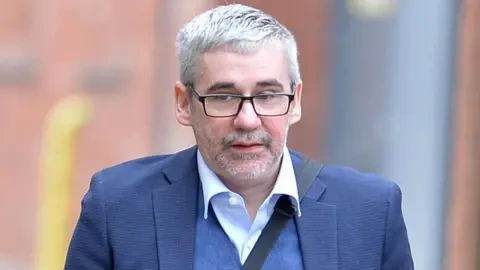
The prosecution case was built around multiple complainants and a pattern alleged to have unfolded over more than a decade and a half. By the time the jury returned its verdict on 23 June 2026, the court had heard that the allegations involved four women and had originally been set out in eight charges before one was withdrawn. That structure gave the case a broad factual span, with prosecutors asking jurors to consider separate incidents, different relationships and a prolonged course of alleged behaviour.
The Glasgow verdict adds to wider scrutiny of how the justice system handles high-profile sexual assault cases that depend on the testimony of multiple witnesses and events spread across years. In this case, the jury’s decision turned on competing accounts heard in the High Court, and on whether the evidence established criminal conduct beyond reasonable doubt across each of the remaining charges.
Sources
- [1]bbc.co.uk
- [2]express.co.uk
- [3]uk.news.yahoo.com
- [4]msn.com
- [5]independent.co.uk
- [6]imdb.com