Technology
Rivian sued over alleged broken promises on hands-free driving
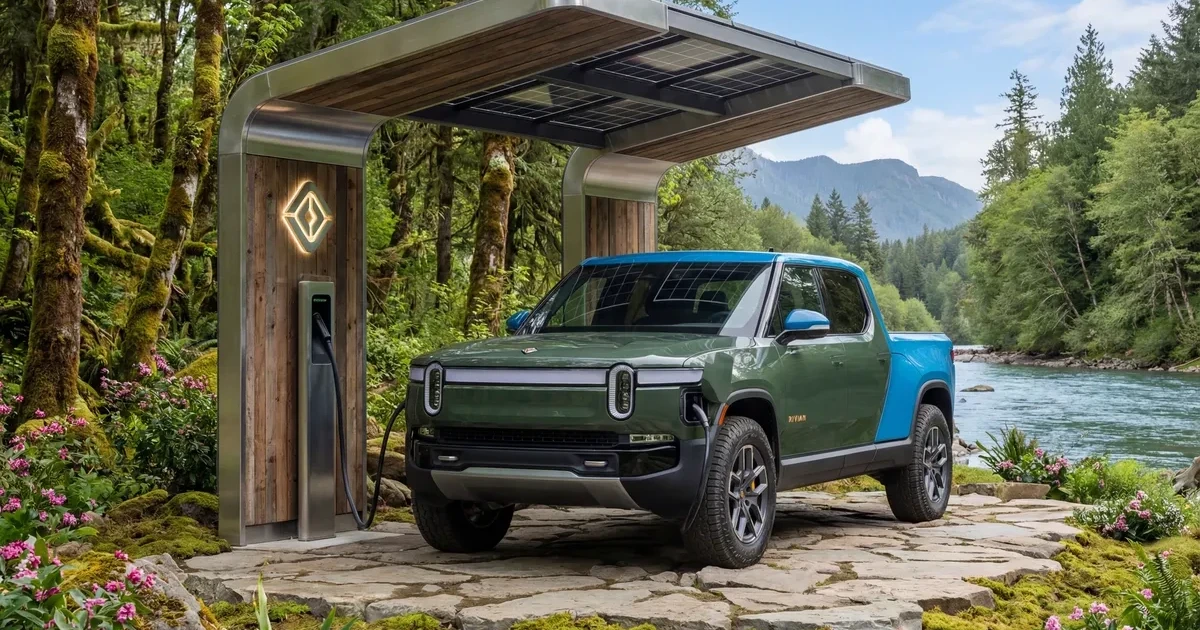
Rivian is being sued by owners who say the company sold first-generation R1 vehicles with the promise of hands-free driving, then delivered a different reality: software that still required constant attention. The complaint lands at a sensitive moment for the electric-vehicle maker, which has been marketing rapid autonomy gains for newer models while warning drivers that its assistance systems are not a substitute for paying attention.
The gap between promise and product is central to the case. Rivian’s current Autonomy+ marketing says Universal Hands-Free is available on 3.5 million miles of roads in the United States and Canada, and the company says new R1S and R1T deliveries include a 60-day trial. But Rivian’s support page also says all vehicles come standard with Driver+, a driver-assistance system that requires the driver’s full attention on the road.
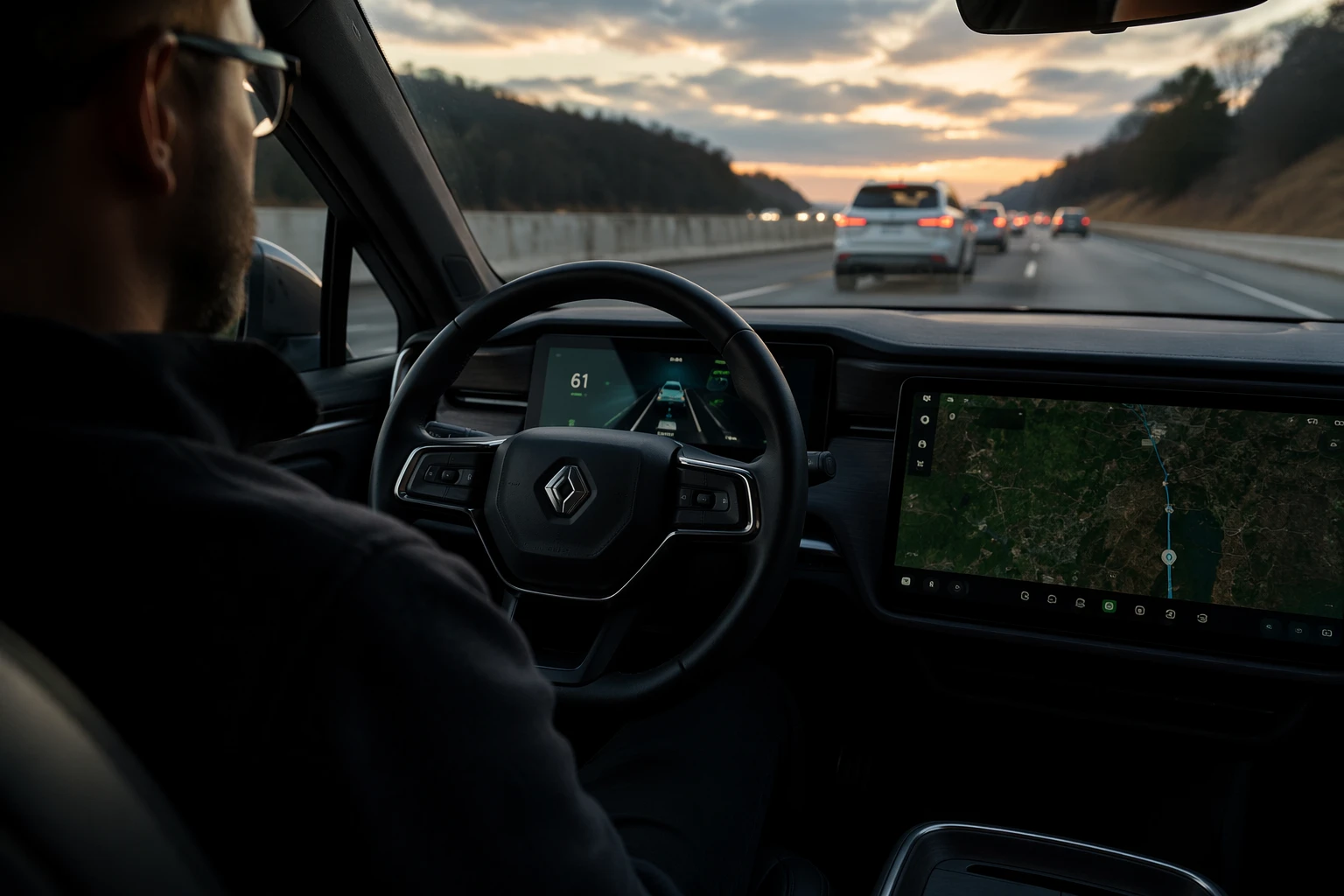
That tension is especially important for owners of the original R1 generation. The complaint says those buyers were told for years that Rivian would bring hands-free driving to their vehicles, even as the company continued to roll out autonomy updates and unveil a broader roadmap that includes lane-change on command, auto parking and on-ramp to off-ramp features. Rivian now also says its Rivian Assistant will launch in early 2026 on both Gen 1 and Gen 2 R1 vehicles.
The company’s hands-free system has advanced quickly, but the benefits have arrived unevenly. In December 2025, Rivian said it released Universal Hands Free to R1 Gen 2 customers through an over-the-air update, expanding assisted driving coverage from fewer than 150,000 miles of roads to more than 3.5 million miles across North America. That expansion appears to have favored newer vehicles first, which is the heart of the owners’ allegation that Gen 1 buyers were misled.
The dispute also comes after a federal safety recall tied to Rivian’s Hands-Free Highway Assist software. National Highway Traffic Safety Administration documents said the software may incorrectly identify other vehicles, and that failure to detect a lead vehicle increases crash risk. The recall covered certain 2025 R1S and R1T vehicles built between April 29, 2024 and May 13, 2025, a population of 19,828 vehicles, and the remedy was an over-the-air software update. Owner letters were expected to go out on November 4, 2025.
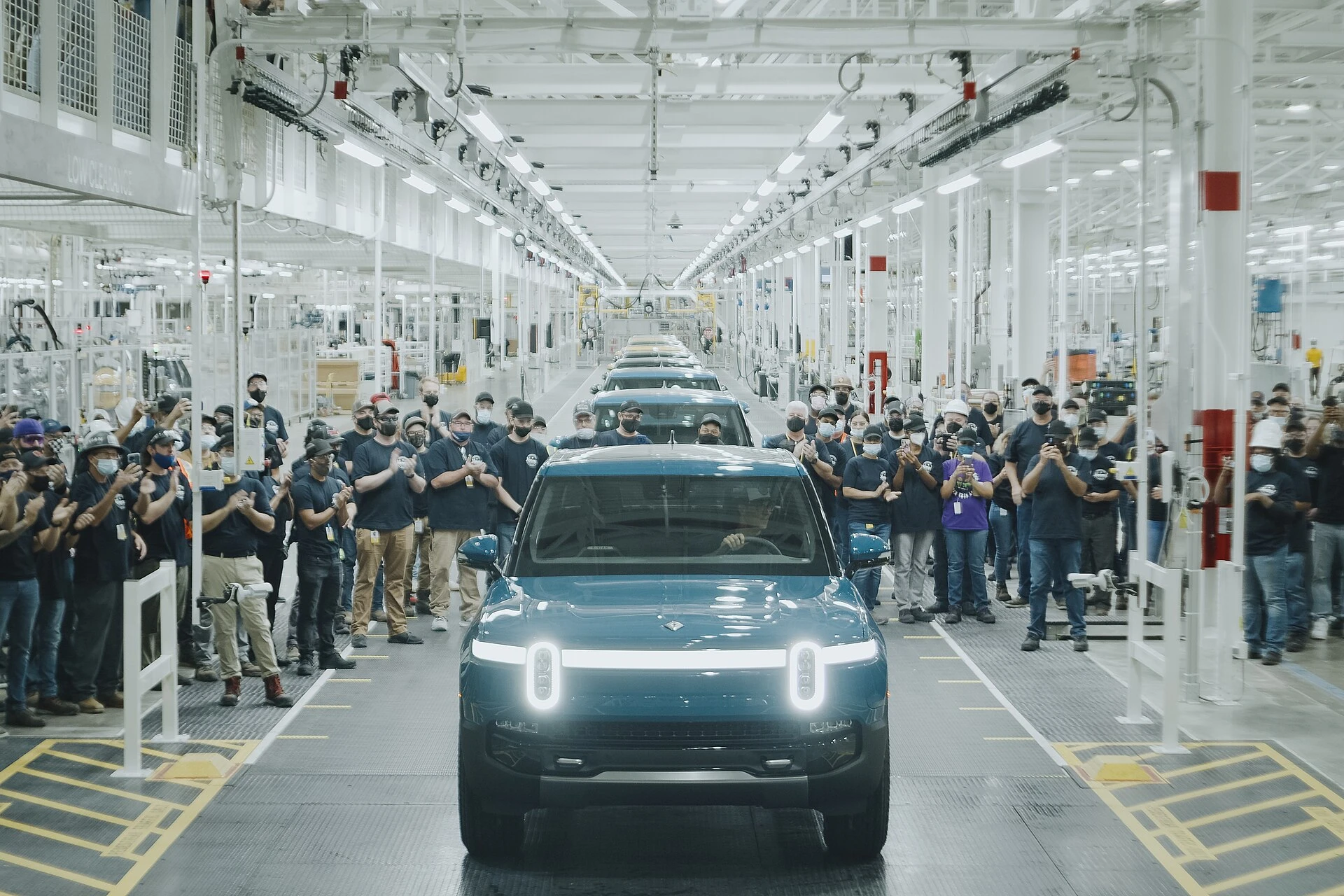
The lawsuit adds to Rivian’s legal burden after the company agreed in 2025 to a $250 million settlement in a separate shareholder case over vehicle pricing disclosures. Together, the disputes underline a growing risk for EV makers: when marketing runs ahead of software, consumer claims can quickly become securities and safety problems too.
Sources
- [1]techcrunch.com
- [2]rivian.com
- [3]static.nhtsa.gov
- [4]sec.gov
- [5]finance.yahoo.com