Politics
Roberts Court expands presidential power, curbs agency limits
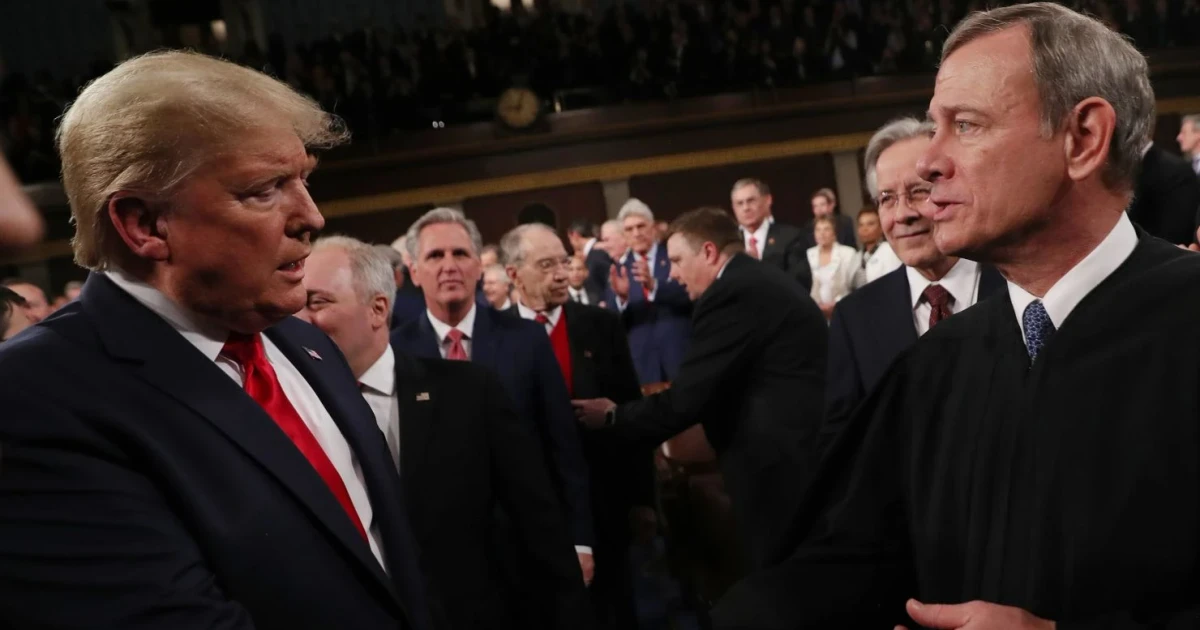
On July 1, 2024, the Supreme Court ruled 6-3 in Trump v. United States that a former president has absolute immunity for acts within his conclusive and preclusive constitutional authority and presumptive immunity for other official acts. In May 2025, Chief Justice John Roberts called judicial independence crucial to “check the excesses” of Congress or the executive, even as the Supreme Court had already handed down decisions that shifted power toward presidents and away from federal agencies. The decision delayed Donald Trump's federal election-interference case and set a precedent that widened the shield around presidential conduct. For future administrations, the practical effect is not limited to one defendant: prosecutors must now clear a higher constitutional hurdle before bringing criminal charges tied to presidential actions, and lawyers advising presidents have a broader zone of protected behavior to work with.
Two days earlier, on June 28, 2024, the court overruled Chevron in Loper Bright Enterprises v. Raimondo, with the companion case Relentless, Inc. v. Department of Commerce folded into the same shift. The ruling ended the decades-old doctrine that required courts to defer to reasonable agency interpretations of ambiguous statutes. That change cut back sharply on the power of federal agencies to interpret the laws they administer, giving judges more room to replace agency judgment with their own reading of the statute and narrowing the room regulators have to act without first persuading courts.
The court’s 2023-24 term also included Corner Post v. Board of Governors of the Federal Reserve System, decided July 1, 2024, which made some challenges to older agency rules easier by changing when lawsuits can be filed. In practice, that means regulations can face legal attacks long after they have been in place, adding another layer of uncertainty for administrative agencies already operating under less judicial deference.
Sources
- [1]nytimes.com
- [2]supremecourt.gov
- [3]scotusblog.com
- [4]pbs.org
- [5]constitutioncenter.org