World
Robin Hood’s Major Oak may have died after centuries of visitor damage
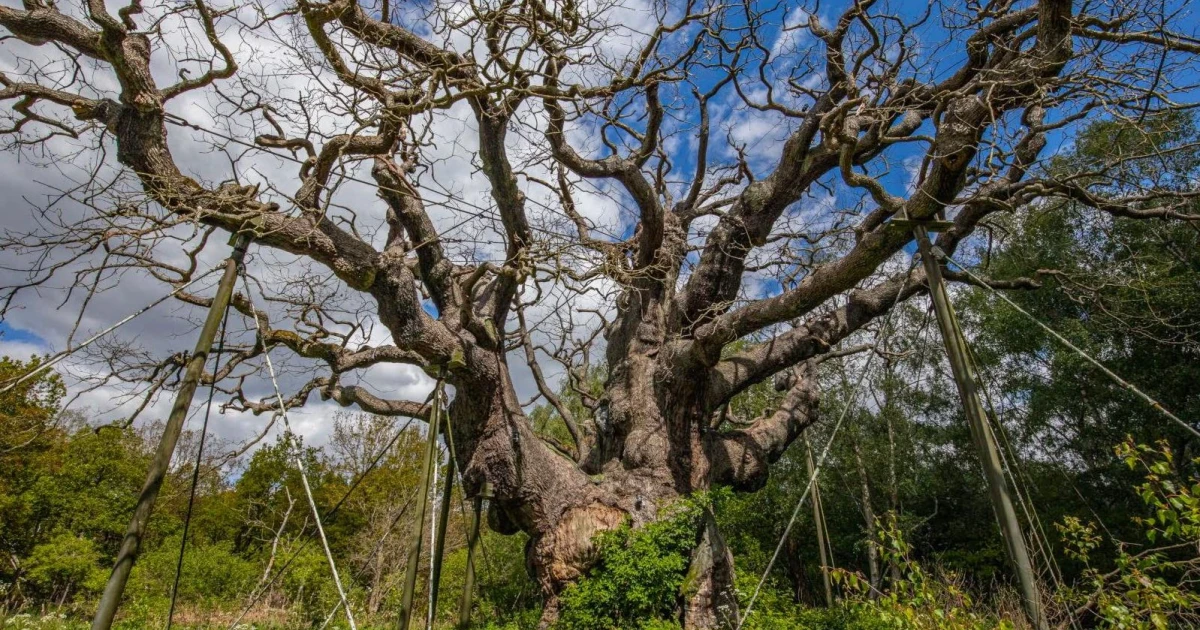
Loved to death is the warning now hanging over Sherwood Forest’s Major Oak, where one of England’s most famous ancient trees appears to have been worn down by the very crowds drawn to its legend. The 1,200-year-old oak, tied to the story of Robin Hood in Nottinghamshire, failed to come into leaf this spring and is believed to have died.
The Royal Society for the Protection of Birds said the tree had been in visible decline for several years despite efforts to improve its health. The conservation group said visitors over the past two centuries compressed the soil around the oak, making it difficult for rain to reach the roots. It also pointed to heatwaves, droughts and heavy visitor footfall as part of the strain on a tree that had become both a biological giant and a cultural magnet.
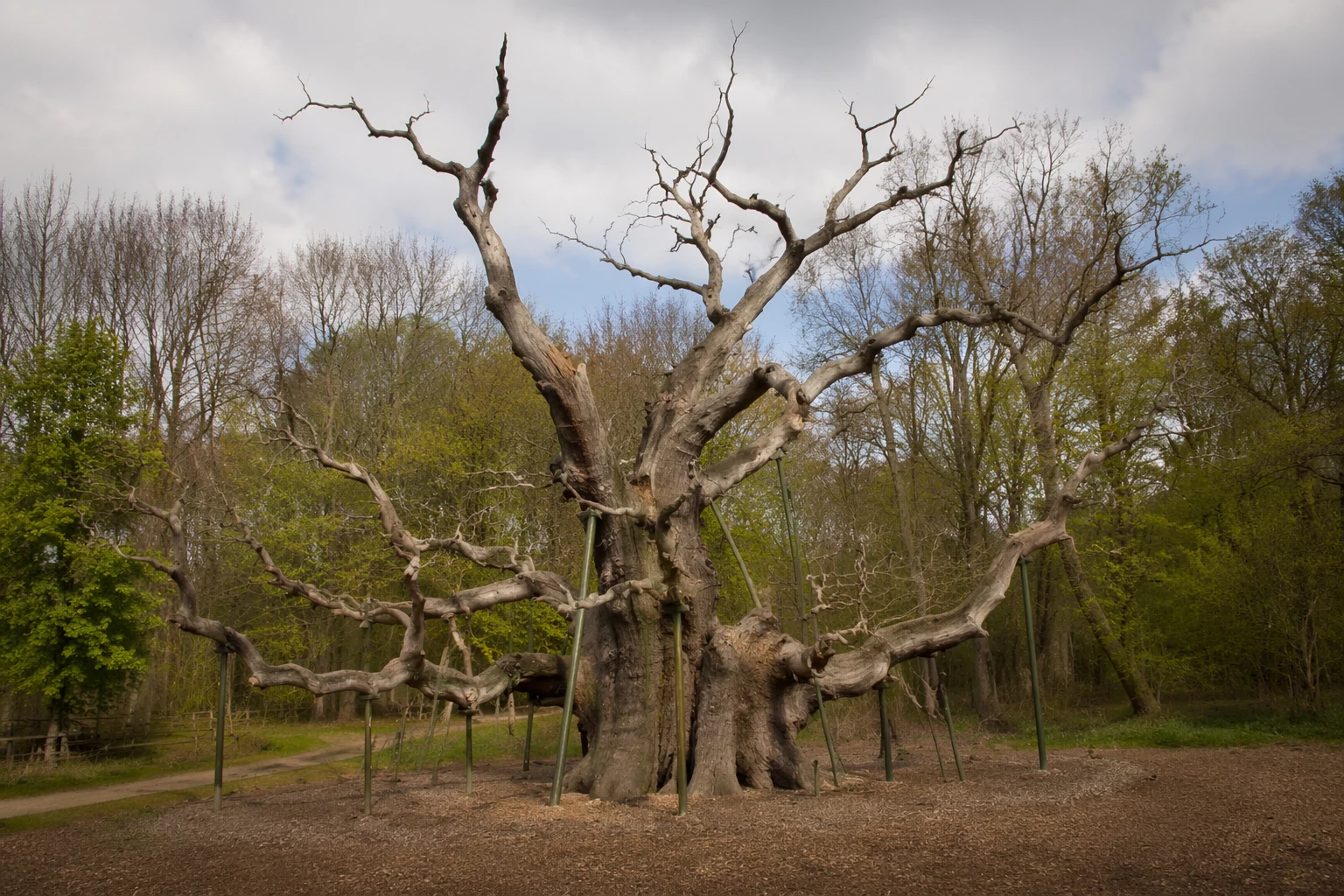
The Woodland Trust said the damage dated back to the age of mass Victorian tourism, when soil around the Major Oak’s roots was compacted in a way that could never be fully reversed. The trust said that without that historic harm, the tree could potentially have survived for many more centuries. “Excessive tourism in Victorian times compacted the soil around the Major Oak’s roots, causing damage that could never fully be reversed,” the trust said.
For decades, the Major Oak stood as more than folklore. The tree was thought to be up to 1,200 years old, with a trunk circumference of around 11 metres and a crown stretching 28 metres. It won the Woodland Trust’s Tree of the Year title in 2014 and was the first tree recorded in the trust’s Ancient Tree Inventory. The inventory describes it as possibly the most famous tree in England, and it came sixth in the European Tree of the Year competition in 2015 with 9,941 votes.
Sherwood Forest itself carries the same tension between access and preservation. The RSPB describes it as an ancient and beautiful landscape, once a royal hunting ground, and as one of Europe’s rarest habitats for nature, supporting thousands of species of birds, mammals, reptiles, invertebrates, fungi, plants and trees. The Major Oak’s death now stands as a conservation lesson as much as a loss: when a living monument is treated as a tourist attraction first, the damage can become permanent long before the story does.