Science
Robots Reveal Causes of Antarctic Sea Ice Decline
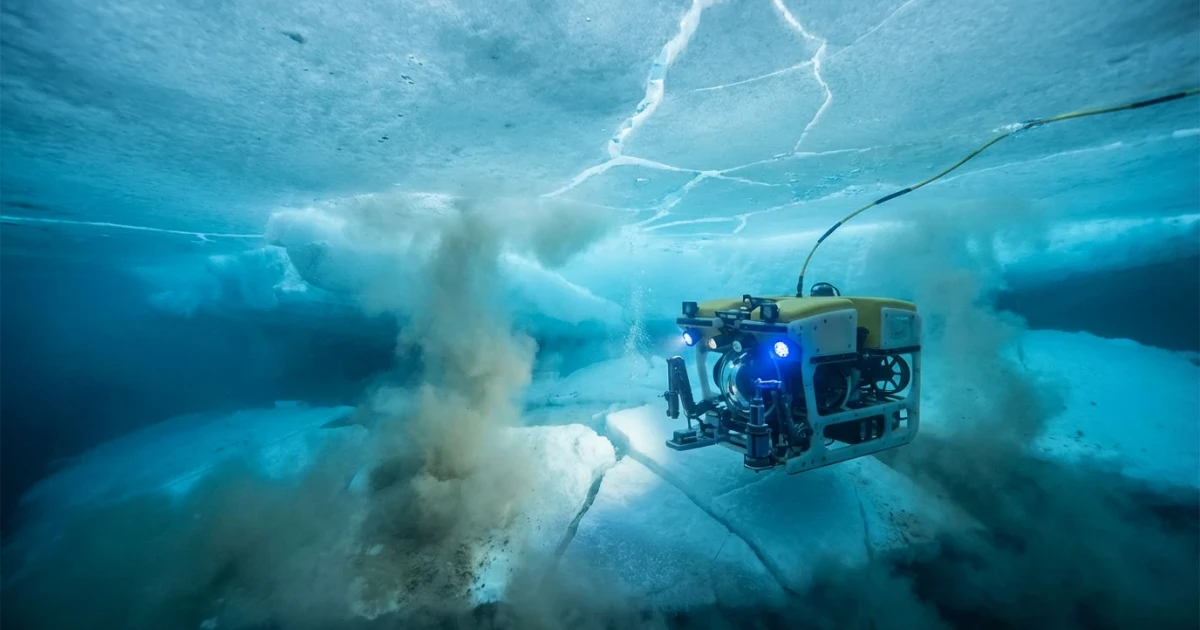
Antarctica’s sea ice has been shrinking at an unprecedented rate over the past decade, and new research aided by deep-diving robotic technology is providing critical insight into the phenomenon. Scientists are now piecing together how changes in ocean heat and currents are driving the rapid loss, with robotic explorers offering direct evidence from beneath the ice.
The Sudden Shift in Sea Ice Trends
For decades, Antarctic sea ice remained relatively stable or even showed modest growth, contrasting with the steady decline seen in the Arctic. However, around 2016, satellite observations and peer-reviewed studies began documenting a sharp downturn, with annual minimums dropping well below previous records. This shift has been confirmed in updated sea ice extent data from the National Snow & Ice Data Center, which shows that current Antarctic sea ice levels are often over a million square kilometers below the long-term average.
- Satellite data from 1979 to 2022 show a marked decrease in sea ice extent, especially since 2016 (PANGAEA dataset).
- Monthly sea ice concentrations are now at or near record lows for several consecutive years.
Deep-Diving Robots Offer New Perspective
While surface observations and models hinted at oceanic causes, the deployment of deep-diving robots like Icefin and autonomous Argo floats has allowed researchers to explore conditions directly beneath the Antarctic ice shelves. These robots are equipped with sensors to measure temperature, salinity, and currents at different depths, providing data previously inaccessible.
- Robots have recorded unexpectedly warm water flowing beneath ice shelves, accelerating melting from below.
- Temperature and salinity profiles from Argo floats show increased ocean heat influx in key regions.
- Icefin’s missions have mapped the geometry of melting ice and identified hotspots of rapid thinning.
Ocean Heat and Currents: The Key Drivers
According to recent research, the primary driver behind the sea ice decline is ocean heat influx. Warm water, carried by shifting ocean surface currents, is increasingly reaching areas beneath the ice shelves, causing basal melting and reducing the amount of sea ice that forms and persists.
Studies published in Nature and confirmed by direct robot measurements indicate that the Southern Ocean’s circulation patterns are changing, allowing more heat to penetrate the Antarctic coastal waters. This process has been further explained in the NASA Sea Ice Toolkit, which details how ocean-ice interactions influence sea ice extent.
Implications and Ongoing Research
Scientists emphasize that the rapid decline in Antarctic sea ice has wide-ranging consequences for global climate, sea level rise, and marine ecosystems. As deep-diving robots continue their missions, researchers are hopeful that ongoing data collection will refine climate models and improve predictions of future sea ice behavior.
With the combined use of satellite monitoring, oceanographic datasets, and robotic exploration, the scientific community is making significant progress in understanding the complex mechanisms behind Antarctica’s sea ice loss. Continued investment in technology and data sharing will be crucial to address the uncertainties and inform policy decisions.
Looking Ahead
The decade-long decline of Antarctic sea ice remains an active area of research, with deep-diving robots providing the next frontier in climate science. As new results emerge, they will help clarify how ocean heat and changing currents are reshaping the southern polar environment—and what this means for the planet as a whole.