Business
Rockefeller became America’s first billionaire in 1916, newspapers reported
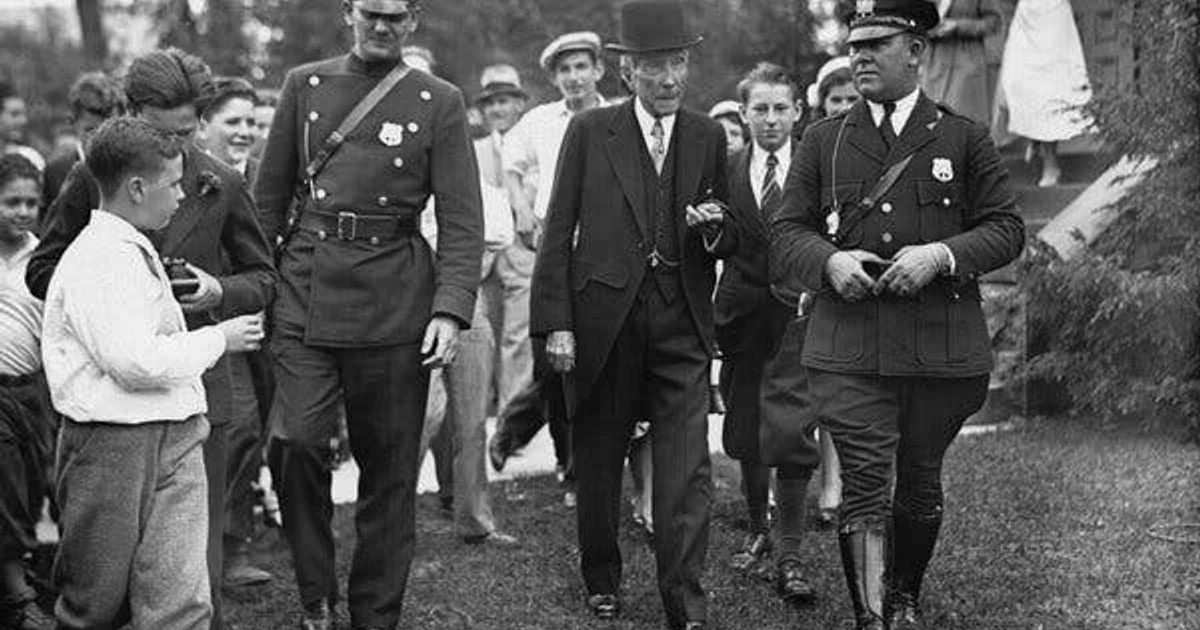
A rise in Standard Oil Co. of New Jersey stock pushed John D. Rockefeller past the billion-dollar mark, and newspapers across the country treated the moment as a financial milestone without precedent. On Sept. 29, 1916, contemporary accounts said Rockefeller had become the world’s first billionaire, with one report valuing his 247,692 shares at nearly $499 million.
The fortune that made the headline was built on Standard Oil, the trust Rockefeller founded in 1870 and expanded into the dominant force in American petroleum. By the early 1880s, the company controlled roughly 90 percent of U.S. refineries and pipelines, a scale that made Rockefeller the defining figure of the Gilded Age economy. The U.S. Supreme Court ordered Standard Oil broken up in 1911, but Rockefeller’s wealth kept rising through the successor companies that emerged from the split.
That detail matters because Rockefeller’s wealth was not simply large, it was structural. It came from ownership in an industry that touched drilling in Titusville, Pennsylvania, refining capacity in Cleveland, Ohio, and the transportation network that carried oil across the United States. In a different era, Elon Musk’s wealth has been driven by stock prices and market expectations tied to technology companies; Rockefeller’s fortune was driven by monopoly-era control over a physical commodity and the industrial system built around it. Each became a symbol of how private fortunes can swell when an economy rewards control over a transformative sector.
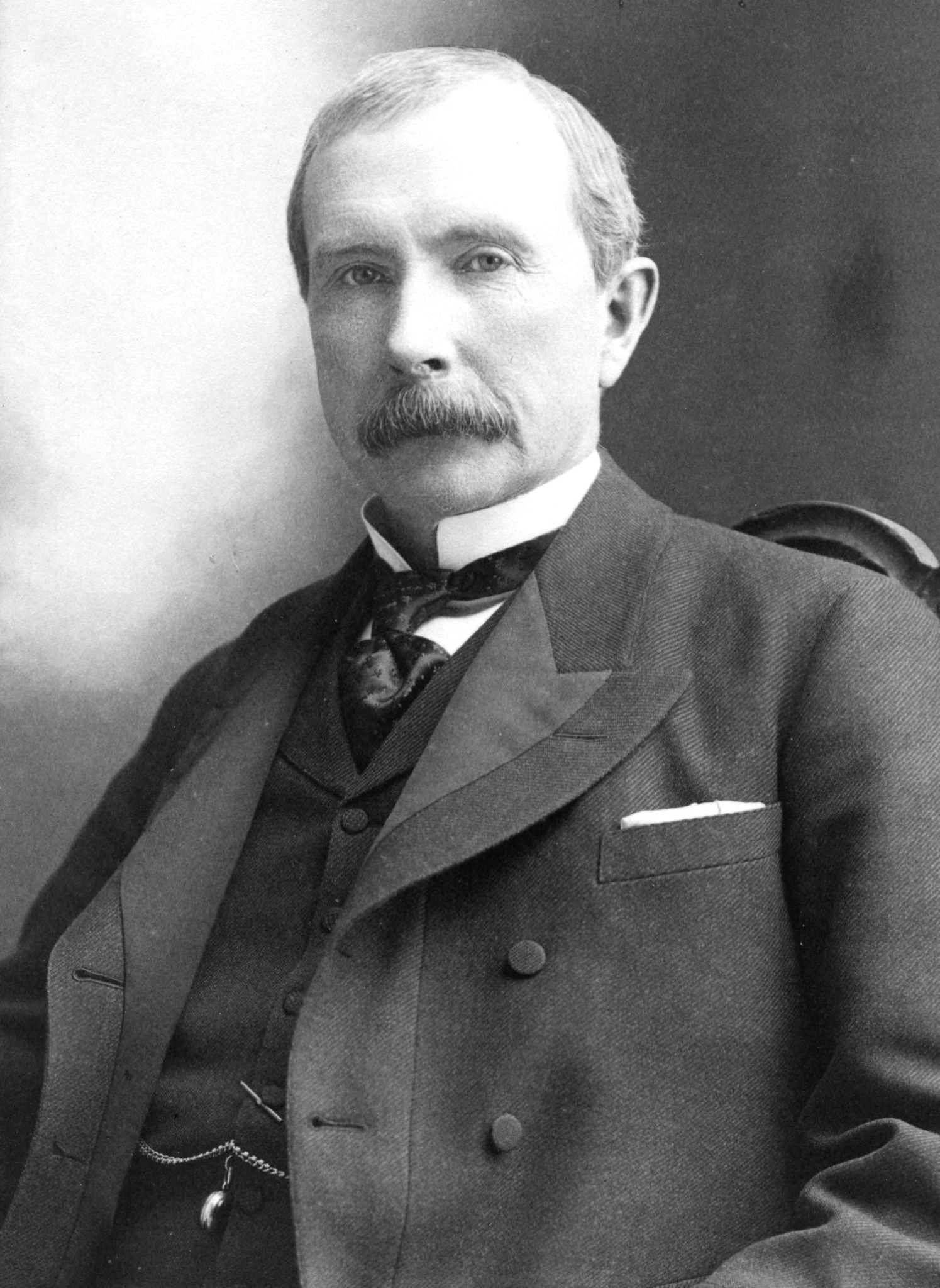
The public reaction was just as important as the number itself. Ida Tarbell’s reporting on Standard Oil became one of the best-known critiques of Rockefeller’s monopoly power, helping define the argument that extreme wealth could distort markets and politics alike. Rockefeller’s name came to stand for both the reach of private capital and the fear that one man could command an entire industry.
Yet the same fortune also underwrote a vast campaign of philanthropy. Rockefeller and his son, John D. Rockefeller Jr., gave away more than $500 million over their lifetimes and helped establish the University of Chicago, the Rockefeller Foundation and the General Education Board. The Foundation was later tied to the aim of promoting the well-being of mankind throughout the world, a striking contrast to the anti-monopoly fury that had shadowed Standard Oil.

Even the billion-dollar label is more complicated in hindsight. Later researchers argued that Rockefeller’s 1916 fortune may have been closer to $900 million, depending on how wealth is measured. But the newspaper reports of the day captured the larger truth: in 1916, Rockefeller had become the emblem of American extreme wealth, and the economy that produced him was changing the country’s debate over power, regulation and inequality.
Sources
- [1]nytimes.com
- [2]britannica.com
- [3]blogs.loc.gov
- [4]money.com
- [5]history.com
- [6]pbs.org