US News
Rocket Lab and True Anomaly test rapid satellite response for Space Force

Rocket Lab and True Anomaly have pushed a U.S. Space Force rapid-response mission from launch warning to on-orbit operations in a matter of days, giving the Pentagon a live test of how much military space work can be handed to private industry. True Anomaly’s JACKAL-0004 formally began VICTUS HAZE mission operations on June 22, three days after Rocket Lab’s Electron lifted off from Launch Complex-1 in Mahia, New Zealand, with the Space Force watching whether commercial spacecraft can move fast enough for contested space.
Space Systems Command said the launch came after its Space Safari office issued a Notice-to-Launch requiring Rocket Lab to posture for a previously unknown orbit with only 24 hours’ notice. The Electron lifted off at 3:19 a.m. PT on June 19, and the mission then moved into on-orbit checkout, vehicle commissioning and rendezvous and proximity operations scenarios designed to mimic threat response. Space Systems Command describes VICTUS HAZE as a multi-launch, multi-vehicle demonstration intended to show the nation can rapidly acquire, launch and operate space vehicles when an urgent on-orbit threat emerges.
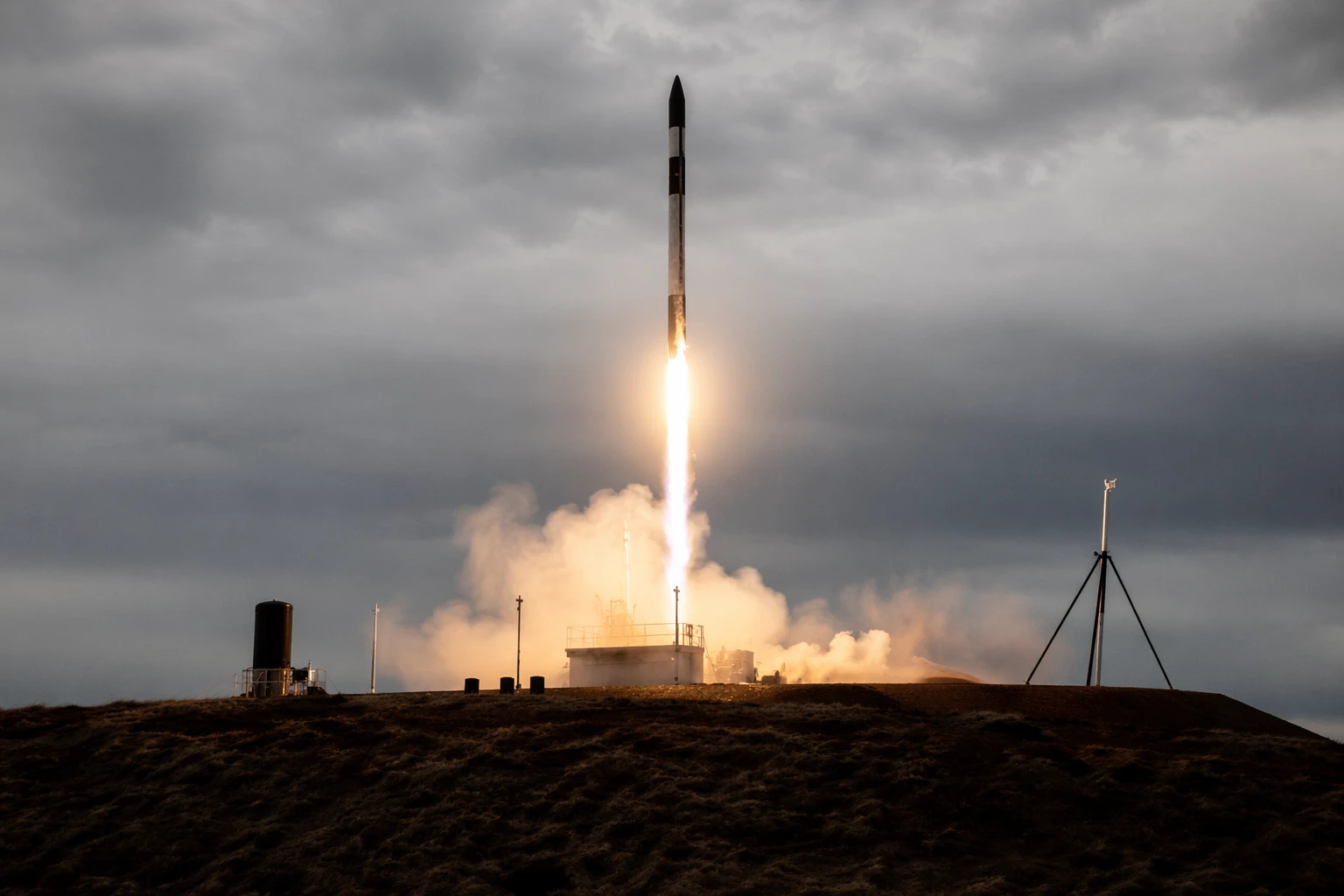
The mission is a clear sign of how far the Space Force has moved from buying finished satellites to buying speed, launch flexibility and operational control from commercial firms. True Anomaly said the exercise will advance into one-on-one rendezvous and proximity operations in low Earth orbit, with JACKAL-0004 commanded by Mosaic, the company’s multi-vehicle command-and-control system. True Anomaly chief executive Even Rogers said the mission stresses the chain from launch warning to rendezvous to timely image processing and dissemination, capabilities the company says are meant for space superiority operations in congested and contested environments.
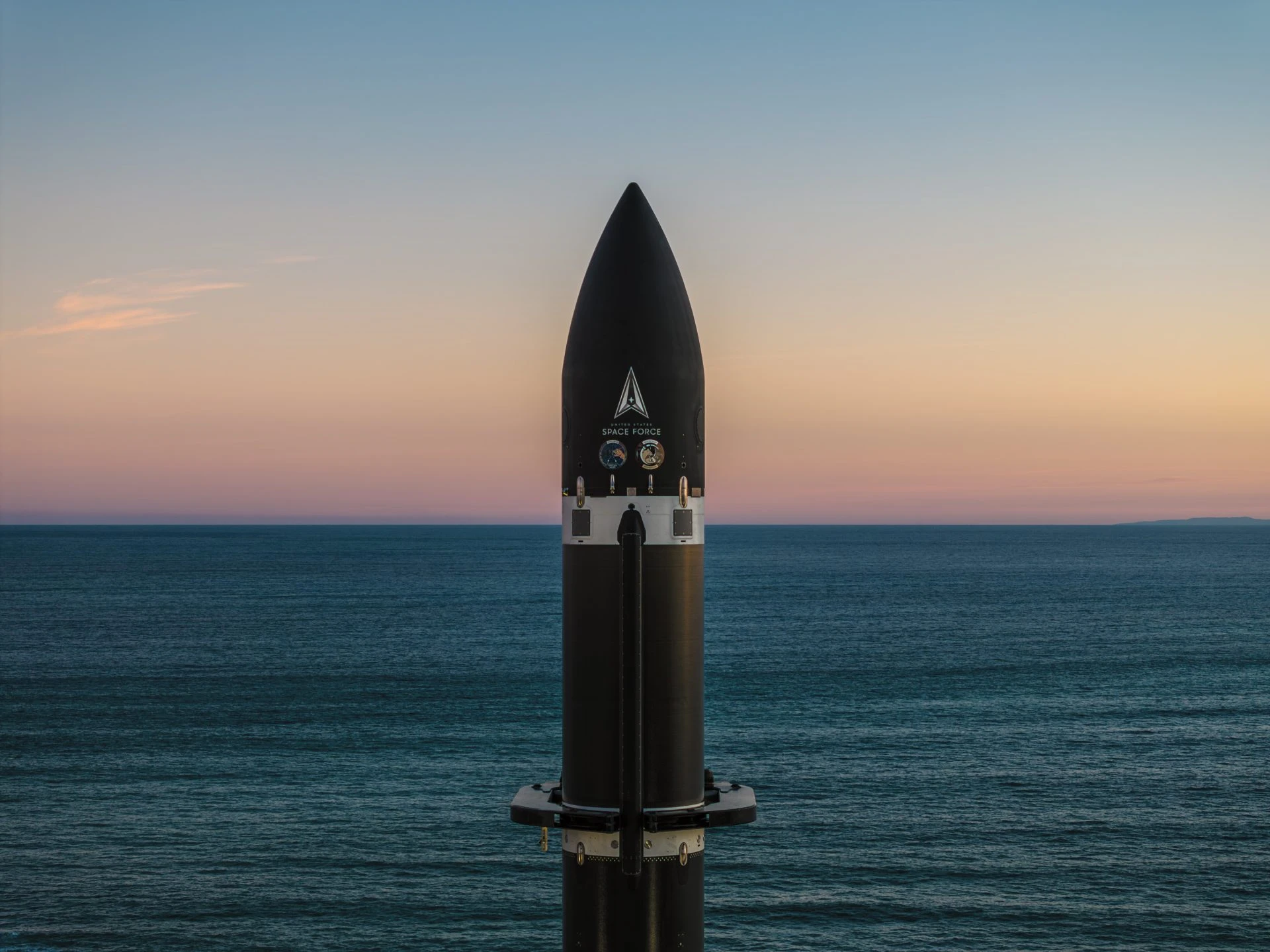
Lt. Col. Lincoln Miller said VICTUS HAZE culminates the TacRS “crawl, walk, run” phase of on-orbit demonstrations. The effort builds on VICTUS NOX, the first Tactically Responsive Space mission, which the Space Force says launched from Vandenberg Space Force Base on Sept. 14, 2023, and reached orbit 27 hours after launch orders, setting a new standard for rapid response.
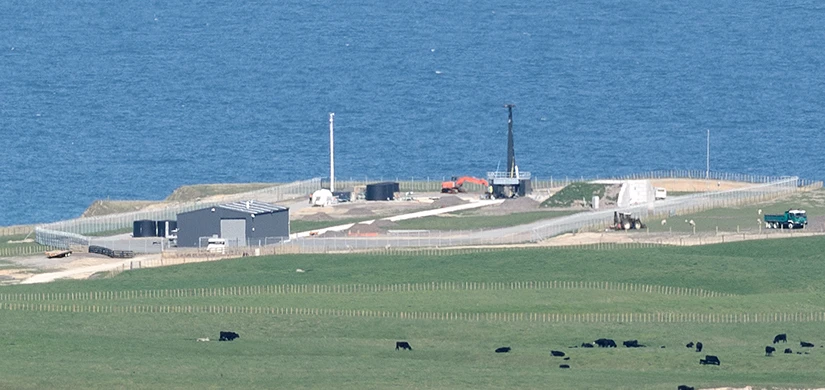
The economics of the program show how the Pentagon is trying to share both cost and risk with industry. True Anomaly said in April 2024 that the Space Force would fund $30 million of a $60 million VICTUS HAZE effort, with True Anomaly contributing the other $30 million in private capital. The mission had been targeted for fall 2025 in that contract announcement before slipping into 2026, underscoring that the shift toward privately executed military space operations is real, but still being tested through tightly managed demonstrations rather than routine practice.