Politics
Rogers wins Michigan GOP Senate primary amid election denial backlash
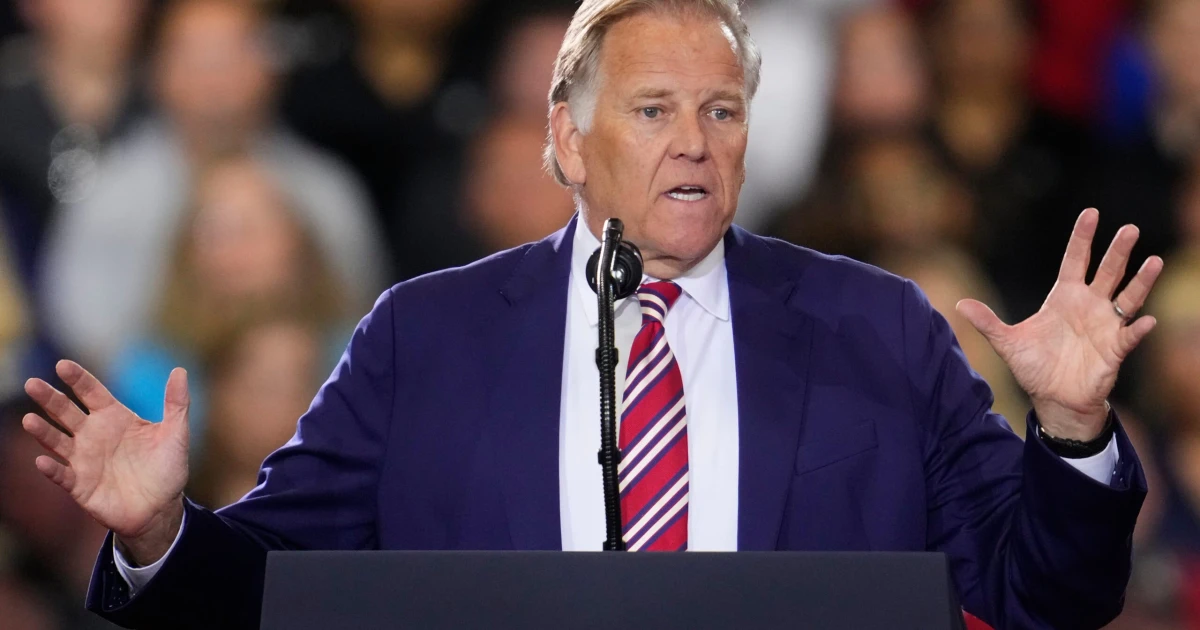
Mike Rogers won the Michigan Republican Senate primary on Aug. 6, securing the nomination in a race that has become one of the country’s most closely watched battlegrounds. Democrats are treating Michigan as central to their path to Senate control, and Rogers now faces Abdul El-Sayed in November.
Rogers’s campaign has taken a sharper turn toward the kind of election skepticism he once criticized. After the 2020 election, Rogers was among Republicans who pushed back on Donald Trump’s refusal to accept the result, but by the time of the 2024 Michigan Senate race he was echoing claims that cast doubt on the process.
That shift became clearer after Rogers lost to Democratic Sen. Elissa Slotkin by about 19,000 votes. He later suggested the result may have been affected by irregularities, including a claim about a “van with ballots” in Detroit. Michigan Democrats said Rogers did not substantiate the allegation and called his claims “ridiculous” and “unfounded.”

The backlash now hangs over his general-election campaign as much as the primary win itself. Rogers has suggested that further scrutiny of the 2020 election was warranted and that voting irregularities contributed to his first Senate bid loss, aligning him more closely with the election-denial politics that have taken hold inside much of the GOP.
The race has not settled the question of whether that posture helps Rogers expand his support or simply locks him in with the party base. Public polling released before the general election showed a competitive contest: a Michigan Education survey found Rogers ahead of El-Sayed and tied with Rep. Haley Stevens in separate matchups, while a Data for Progress memo dated July 10 put El-Sayed narrowly ahead of Rogers, 47-46, in a head-to-head test.
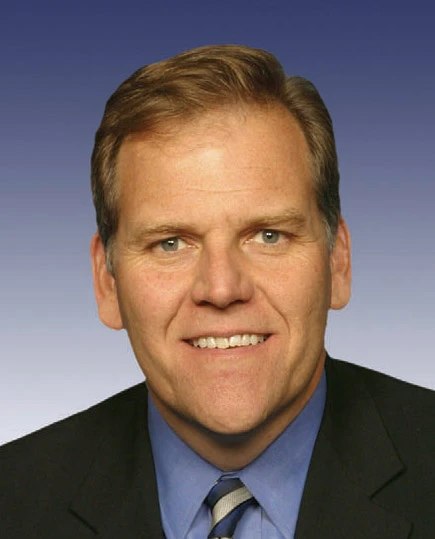
For Democrats, the contrast is politically useful. Rogers once presented himself as a critic of Trump-era election denial; now he is running in a party where those claims remain potent, especially in a state like Michigan where turnout, suburban voters and trust in election results could decide whether Republicans flip the seat or Democrats hold it.
Sources
- [1]nytimes.com
- [2]michigandems.com
- [3]democracydocket.com
- [4]thehill.com
- [5]workingfamilies.org
- [6]reuters.com
- [7]cnn.com