Business
Roku explores sale options as shares jump on takeover report
Roku moved from a quiet strategic review to the center of a bigger fight over who controls the television home screen and the advertising layer beneath it. Shares rose 22% after the company explored options that included a full sale, a signal that its mix of scale, viewer data and ad inventory has become valuable enough to attract both media buyers and technology companies.
Roku had already held talks with at least one U.S. media company about a possible combination and also examined alternatives such as a private investment in public equity transaction. With a market capitalization of about $19.4 billion and more than 100 million streaming households worldwide, Roku offers a buyer reach across one of the largest connected-TV audiences in the market. Roku said on April 16 that the 100 million figure represented distinct user accounts streaming on the platform in a 30-day period.
The company’s latest results show why that audience matters. In the first quarter of 2026, Roku posted total revenue of $1.25 billion, including platform revenue of $1.13 billion and advertising revenue of $613 million, up 27% from a year earlier. Streaming hours reached 38.7 billion, up 8% year over year, while The Roku Channel ranked as the No. 2 app on the platform by engagement in the United States. Roku also reported net income of $86 million and adjusted EBITDA of $148 million, while buying back $100 million of stock in the quarter and $250 million since the third quarter under a $400 million repurchase program.
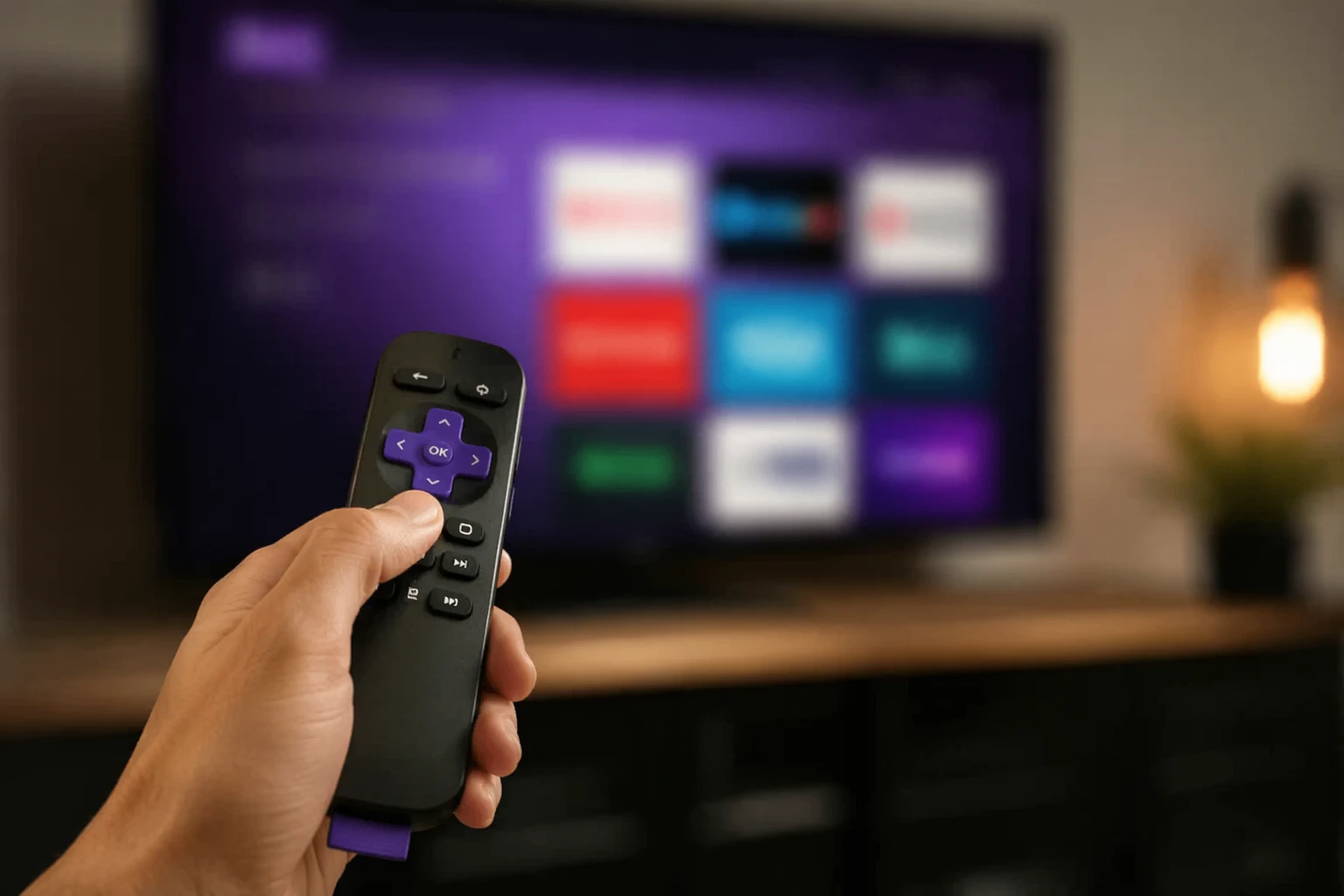
For a strategic buyer, the appeal is not just Roku’s user base but its position inside the living room. Roku said its devices are used by more than half of all U.S. broadband households, and its Roku OS-powered TVs and streaming devices are available in more than 15 countries. That footprint gives the company a direct route to households in the United States, Canada, Mexico, Brazil, the United Kingdom and Latin America, along with the ability to shape ad placement, subscription flow and content discovery on the TV screen itself.
The sale talk also underscores how connected-TV advertising is consolidating around a handful of powerful intermediaries. Roku said ad spend through third-party programmatic partners increased more than 40% year over year in the first quarter, with Amazon DSP, The Trade Desk, Yahoo, FreeWheel and Google DV360 among its major partners. Roku and Amazon Ads announced in June 2025 that their integration created the largest authenticated CTV footprint in the United States, reaching an estimated 80 million U.S. CTV households. Any deal would not only reshape Roku’s ownership, but also influence how much control consumers retain over the TV interface and how concentrated CTV ad power becomes.