World
Romance scams exploit trust, leaving victims attached even after fraud is exposed
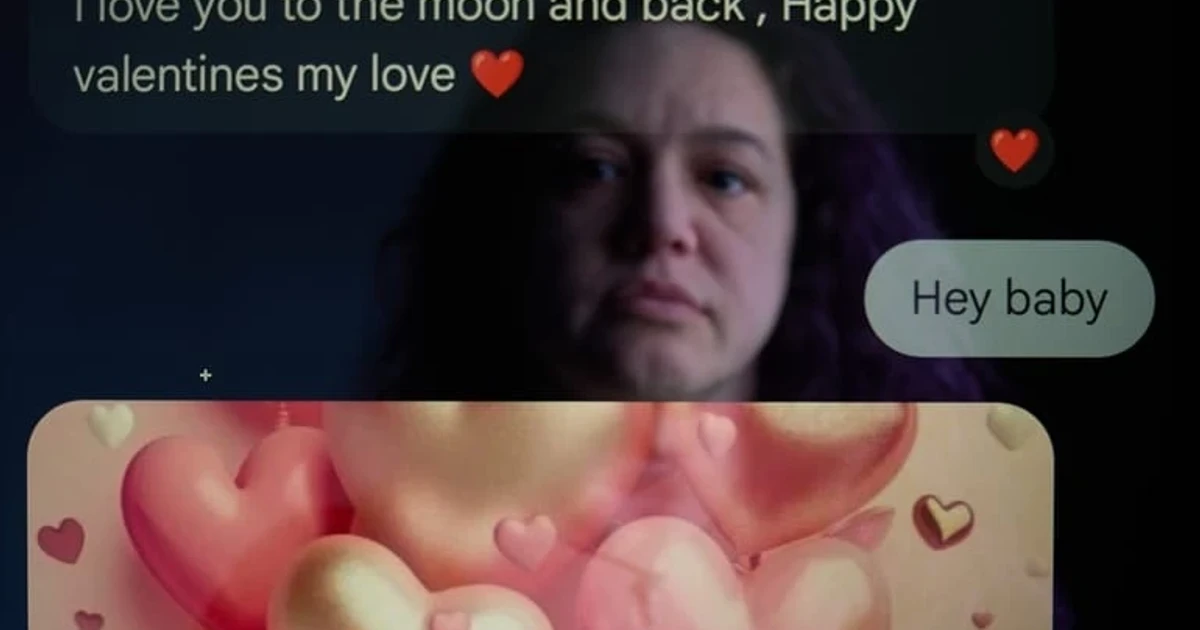
Jean Booth lost more than $90,000 to an online romance scam, then stayed emotionally attached even after she realized the relationship was fake. Her experience shows how scammers build trust slowly, turning attention and intimacy into a tool for theft.
The pattern usually starts with a believable online persona, not a request for cash. Romance scammers often shower targets with constant attention, make them feel seen and valued, then shift the relationship into secrecy and urgency. They may avoid video calls, claim to be far away, and ask for money, gift cards, cryptocurrency or emergency help once the victim is emotionally invested. The pressure can also push people away from skeptical friends and family, leaving the scammer as the victim’s main source of reassurance.
That emotional grip is one reason the damage lasts after the fraud is exposed. The Federal Bureau of Investigation has warned the public about romance scams, while AARP says victims often feel shame and need help understanding what happened to them. That shame can delay reporting and deepen the isolation, especially when the victim has also lost savings, credit or a sense of trust in other relationships.
The scale of the crime is large. In 2022, nearly 70,000 people reported romance scams to the Federal Trade Commission, and reported losses hit $1.3 billion. The median reported loss was $4,400, but many victims lost far more. FTC reporting summarized by other outlets put 2023 romance-scam losses at $1.14 billion, showing that the fraud remains a major source of consumer harm.

Scammers have also gotten better at scale. Social media, messaging apps and AI-generated content make it easier to create polished fake profiles, convincing photos and scripted conversations that feel personal. Scamwatch defines relationship scams as fake online identities used to gain trust before asking for money, and federal guidance warns that scammers often try to move conversations off-platform as soon as they can.
That is what makes romance fraud so effective: it exploits ordinary human needs for companionship, attention and reassurance. The money is the obvious loss, but the emotional manipulation often keeps victims silent long after the account is emptied.
Sources
- [1]apnews.com
- [2]ftc.gov
- [3]kutv.com
- [4]cnbc.com
- [5]fbi.gov
- [6]aarp.org
- [7]scamwatch.gov.au
- [8]azag.gov
- [9]cbsnews.com