World
Romania names Adrian Vestea as prime minister after nominee withdraws
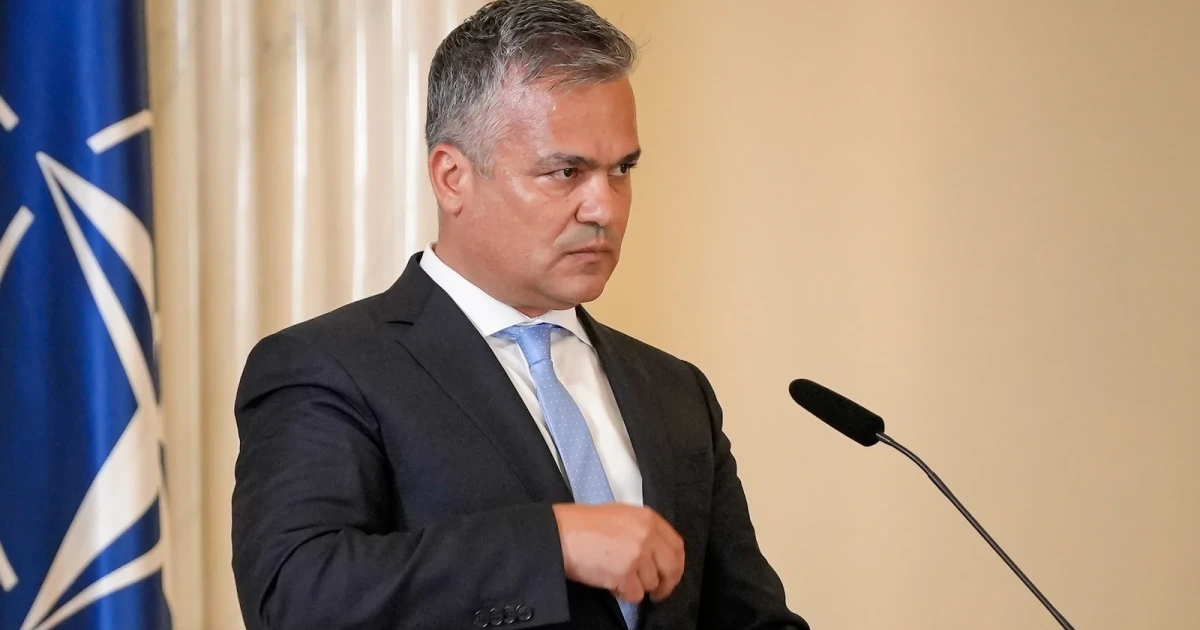
Romania’s attempt to restore governing legitimacy after a series of failed arrangements shifted again on Sunday, when President Nicusor Dan designated Adrian Vestea as prime minister after Eugen Tomac withdrew his mandate. The move underscored how far the country remains from a settled majority, and how much now rests on whether Dan can turn constitutional maneuvering into an executive that can actually govern.
Vestea, 52, is the president of the Brașov county council in central Romania and a vice-president of the National Liberal Party. He became Dan’s second prime ministerial nomination this month, after Tomac failed to secure enough backing from parties in parliament during the 10 days he was given to assemble support. Tomac had been trying to lead a technocratic government, but the parliamentary arithmetic never came together.
The reversal also exposed how fragile the pro-European camp has become. The National Liberal Party publicly refused to back Tomac’s proposal on June 11, while the Social Democratic Party and the Save Romania Union did not immediately endorse the technocratic plan during consultations. Vestea has signaled a different approach, saying he wants to form a political government rather than a technocratic one, and to rebuild the pro-European coalition that fell apart earlier in May.
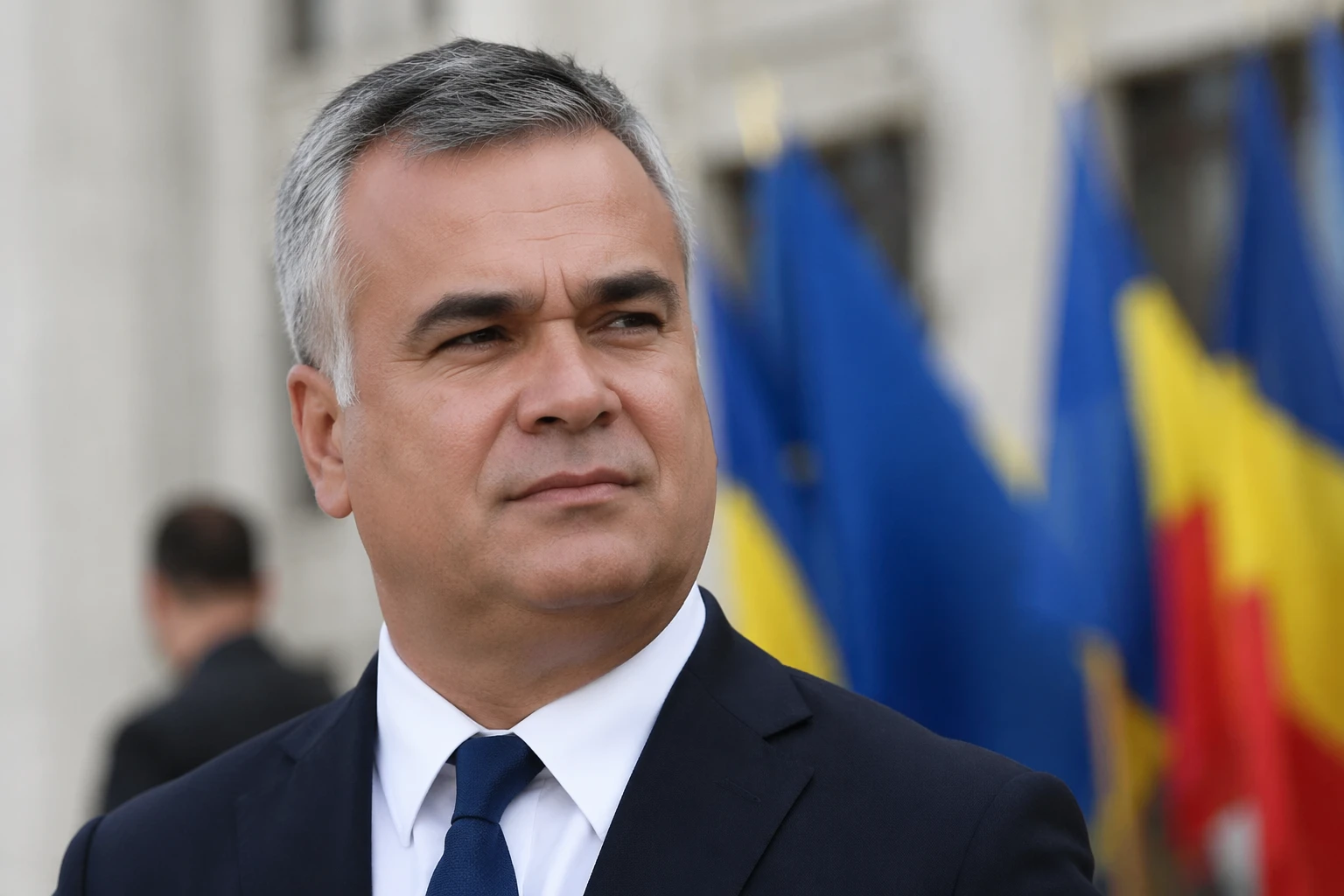
That collapse remains the central political wound. Romania’s government fell on May 5 after lawmakers passed a no-confidence motion against Prime Minister Ilie Bolojan, with 281 votes in favor and only four against. The defeat jolted markets and raised alarms over the country’s sovereign debt ratings, access to European Union funds and currency stability. It also left open the deeper question of whether Romania’s parties can still convert electoral bargains into durable authority.
The current deadlock traces back to the coalition agreement signed on June 23, 2025, which brought together the PSD, PNL, USR, UDMR and representatives of national minorities under a rotating premiership meant to preserve a broad governing majority. That formula has now broken down, and the presidency has been forced to act as a balancing mechanism, searching for a nominee who can hold rival factions together long enough to win a confidence vote.
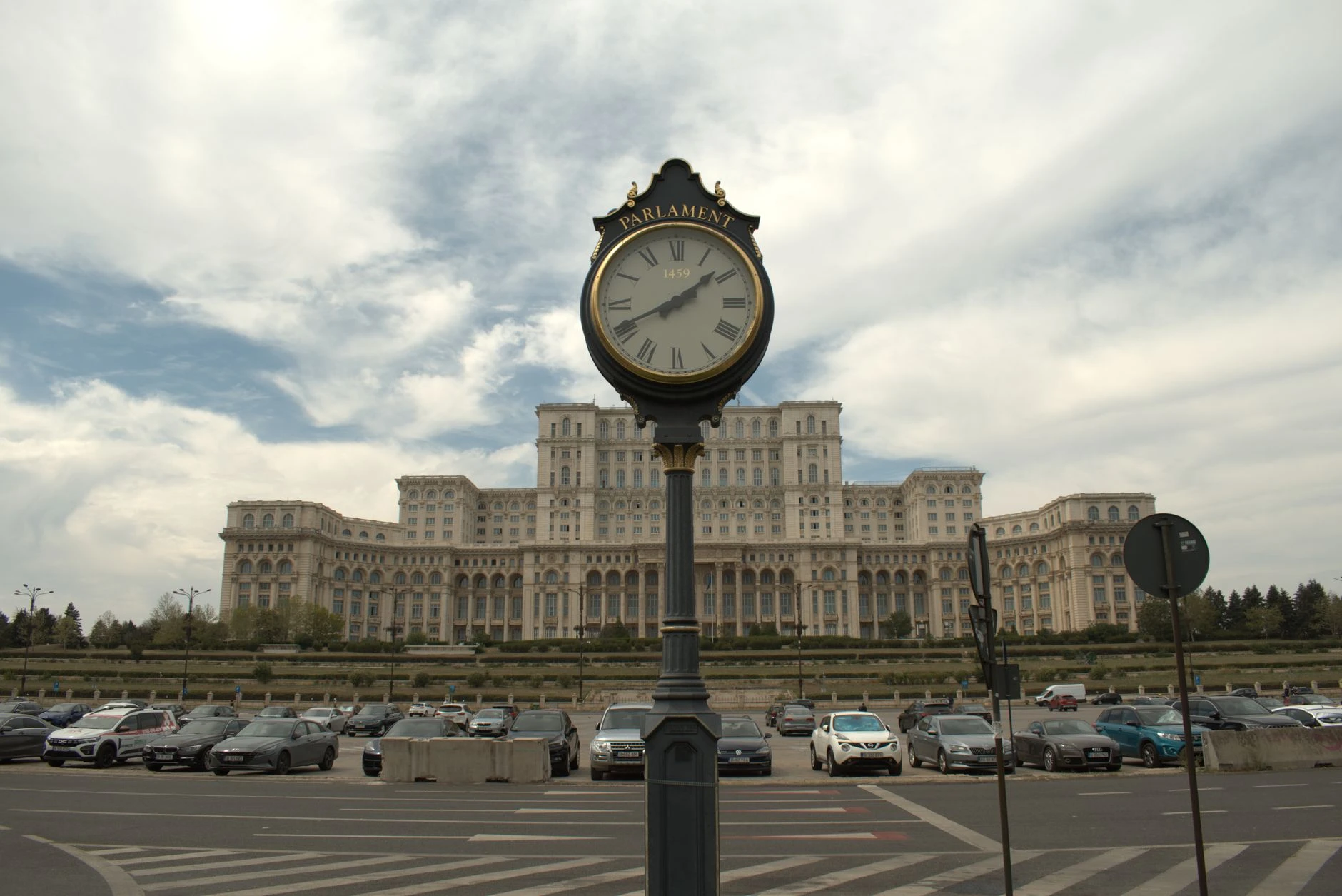
Vestea’s local-government background may help him project pragmatism, but it does not solve the core problem. Romania still needs a parliamentary majority, a coherent fiscal line and enough political unity to push reforms tied to EU recovery funds. Until that happens, every new nomination will read less like a reset than another measure of how difficult it is for the state to reclaim legitimacy, reassure investors and present a credible pro-European front.