Lifestyle
Rome’s heatwave bracelet helps isolated seniors stay safe
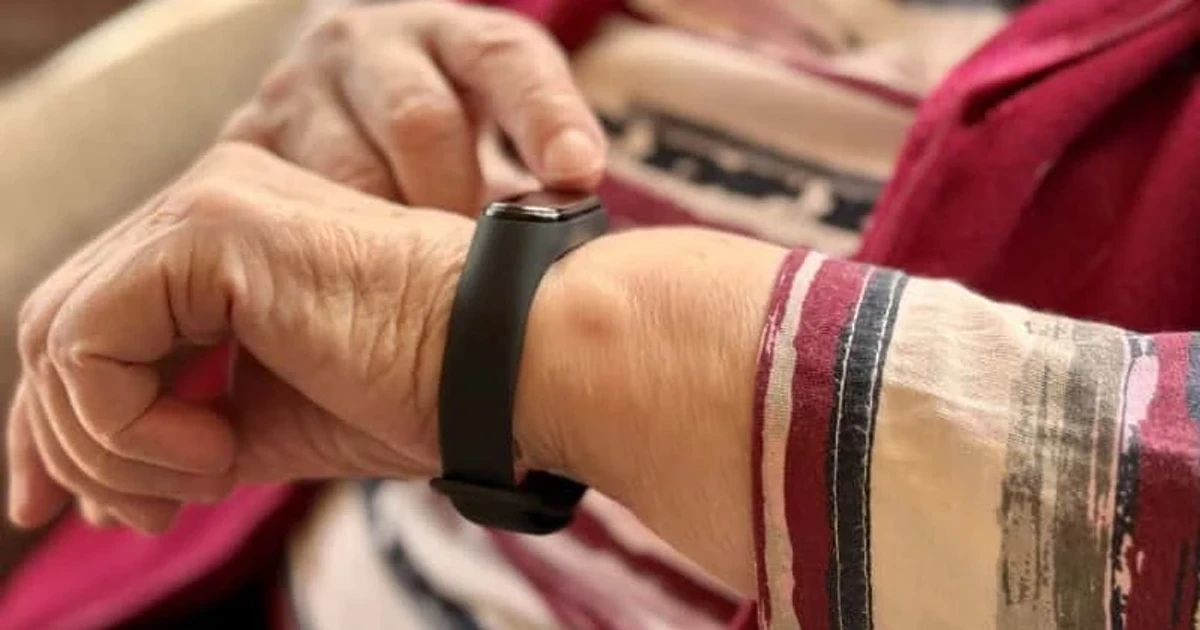
An 85-year-old widow in Rome is wearing a bracelet that tracks her heart rate, sleep patterns and movement while a team of social workers monitors her remotely as temperatures climb into the upper 30s Celsius. The device can also detect falls and let her call for help in an emergency, turning a simple wearable into a round-the-clock safety net for an isolated older resident.
The bracelet is part of a city-backed support scheme introduced last year by Rome’s municipality and financed with €400 million in EU post-COVID money. So far, it covers about 700 people. City officials have framed it as a preventive health tool, not a replacement for care, aimed at seniors who may struggle when heat drives up the risk of dehydration, fainting and blood pressure drops.
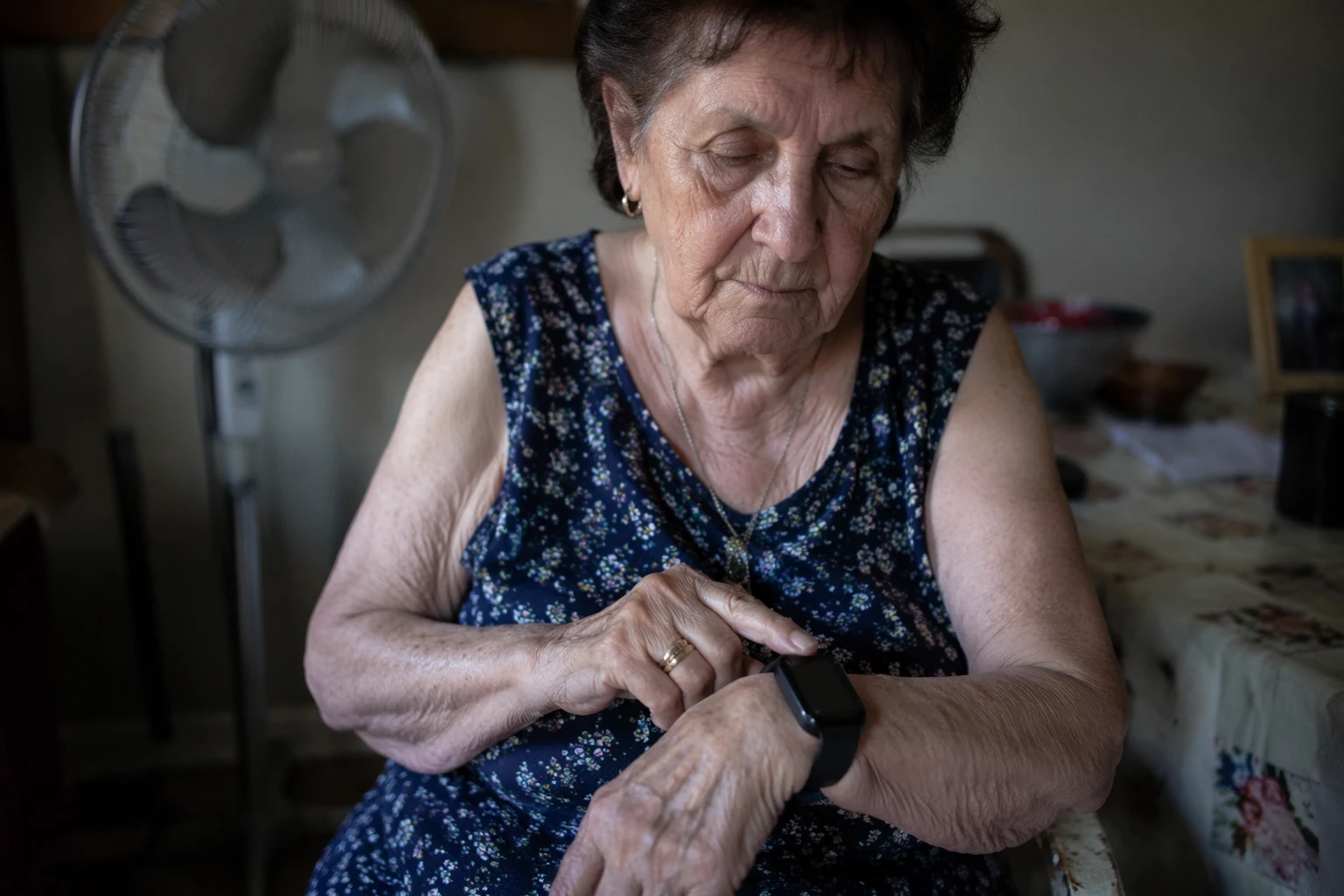
For Dina Gazzella, the system is more than technology. She lives alone in Rome and said the bracelet gives her peace of mind because someone will be alerted if she feels unwell or falls. Her isolation is stark: her husband died in 2023, and her cat died the following year. In a city where heat waves have become a recurring hazard, that human connection matters as much as the device itself.
Psychologist Piera Pomente said elderly people can suffer significantly in hot weather, underscoring why Rome is trying to catch problems before they become emergencies. The bracelet works both inside and outside the home, and its motion sensors allow city workers to review data and intervene if a pattern suggests trouble. That makes the program more than an emergency alarm; it is part of a wider model of preventive monitoring for people who may not have family nearby.
Rome’s experiment also rests on a grim local history. The Community of Sant’Egidio says its Long Live the Elderly! program began in Rome in 2004, after the severe summer of 2003 exposed how deadly social isolation could be during extreme heat. A CDC report estimated 1,094 excess deaths in Rome during major heat-wave periods that summer, while a JAMA report said the toll represented a 23% increase compared with the average annual number of deaths from 1995 to 2002.
That earlier crisis helped drive warning systems and outreach programs aimed at high-risk residents, especially older people. Rome’s latest bracelet scheme extends that logic into the digital age, as the municipality tests whether wearables and city-backed check-ins can reduce heat deaths in an aging society where heat waves are becoming a public-health emergency rather than a seasonal inconvenience.
Sources
- [1]usnews.com
- [2]reutersconnect.com
- [3]longlivetheelderly.org
- [4]cdc.gov
- [5]jamanetwork.com
- [6]metoffice.gov.uk
- [7]commission.europa.eu