Technology
Roomba marks 2002 launch of the first automatic floor vacuum

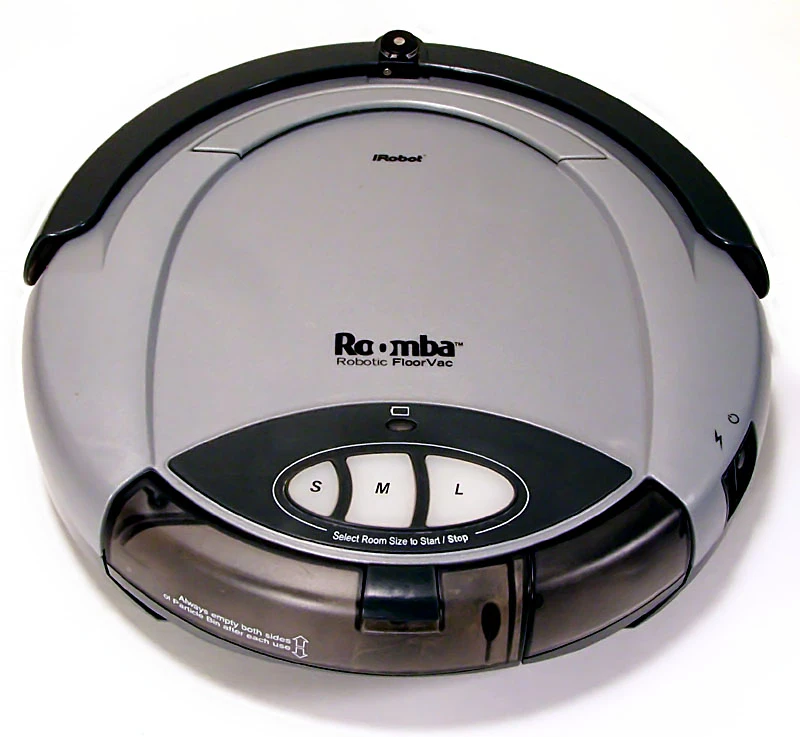
A small robot that ricocheted off furniture and cleaned until its battery ran down did more than vacuum floors. When iRobot introduced Roomba Intelligent FloorVac on September 18, 2002, it became the first automatic floor vac available in the United States, selling for $199.95 through Brookstone, The Sharper Image and Hammacher Schlemmer.
The Smithsonian’s National Museum of American History describes the original Roomba as a first-generation domestic robot that went on the market in 2002, and the launch marked iRobot’s shift into consumer robotics. The company was founded in 1990 in Burlington, Massachusetts, by Massachusetts Institute of Technology roboticists Colin Angle, Helen Greiner and Rodney Brooks. A team of eight designed the original machine, and its basic patent is 6,883,201.
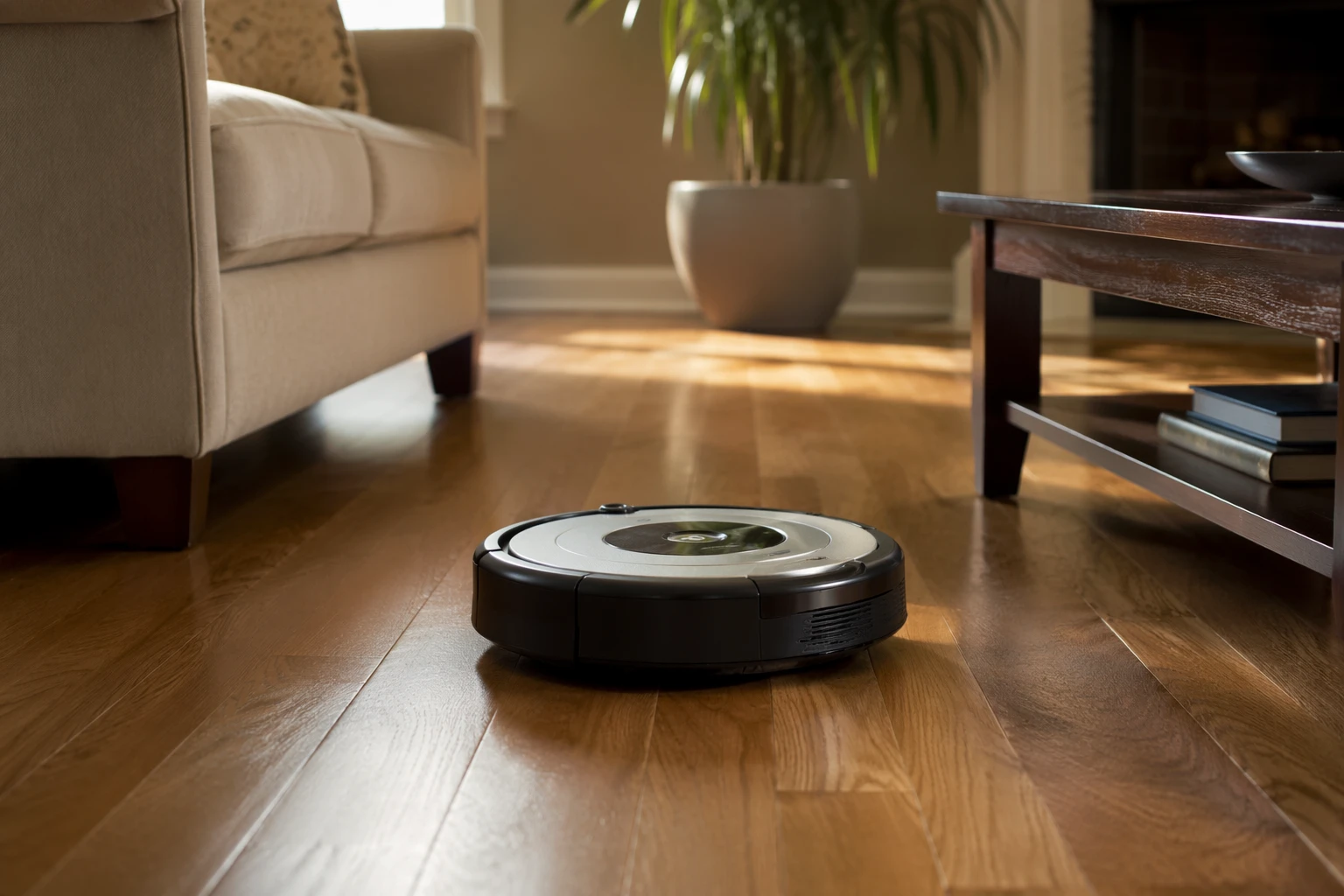
Roomba was crude by today’s standards, but its design was enough to convince mainstream shoppers that a robot could belong in the home. The early model used sensors and computer processing to respond to obstacles and to an infrared boundary set by a separate virtual wall unit. When it hit an object or crossed that boundary, it changed direction at random, a simple behavior that made the machine appear semi-autonomous to consumers who had never seen anything like it in a living room or kitchen.
The company had already tested whether buyers would accept the idea. In a 2001 focus group in Cambridge, Massachusetts, described by original designer Joe Jones, participants were skeptical at first. Their interest rose after they watched the prototype clean carpets and hard floors, a signal that iRobot’s marketing team would soon find a receptive audience among early family buyers.
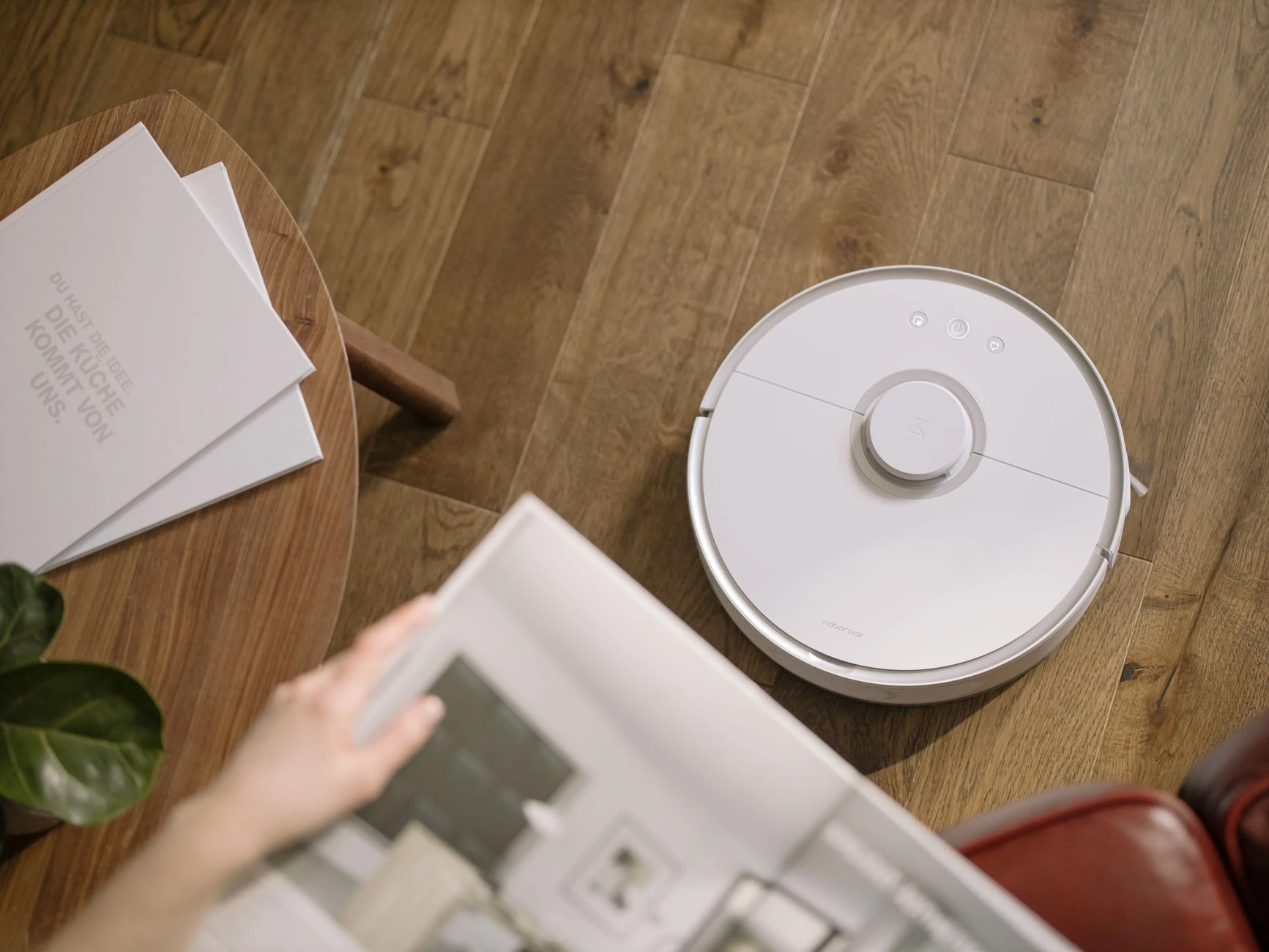
Roomba quickly became a commercial breakout. One report says iRobot sold one million Roombas in just over two years, and iRobot now says it has sold more than 40 million home robots worldwide. The company says Roomba helped forge an entirely new category in home cleaning, and later models built on that foundation with self-emptying docks, mapping, Wi-Fi connectivity and obstacle avoidance. It was not the first robot vacuum ever conceived, but it became the first practical mass-market home robot vacuum in the U.S., helping normalize the idea that Americans would welcome machines into everyday domestic life.