Politics
Roosevelt’s hidden White House boxing injury shaped his public image
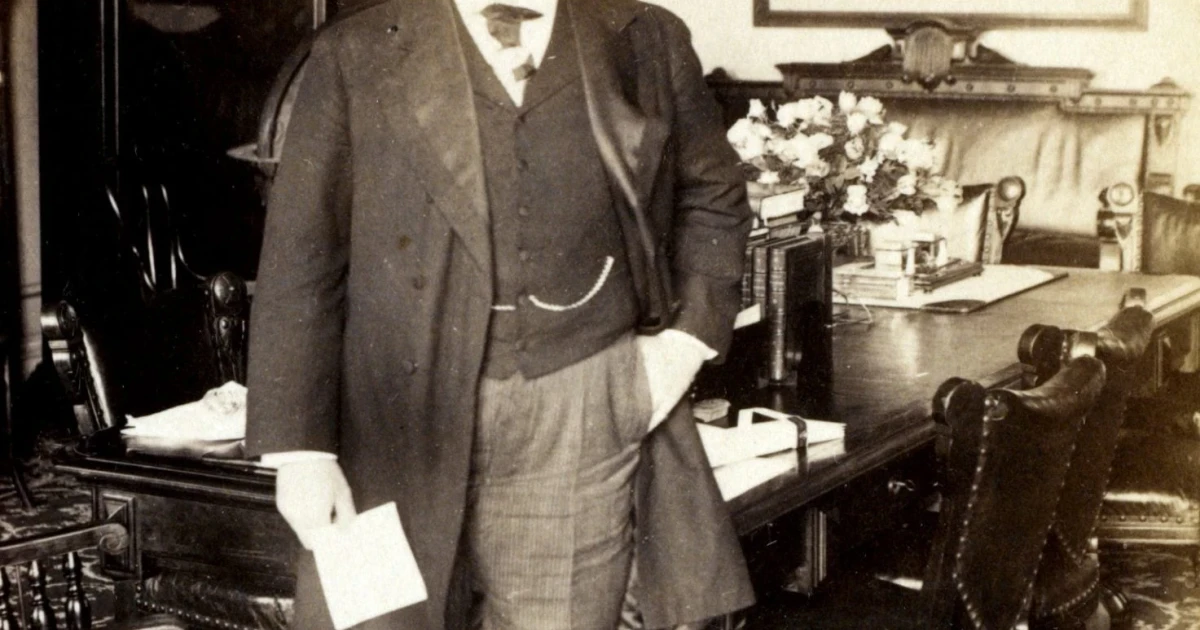
Theodore Roosevelt built a presidency around vigor, and the private cost of that performance was a damaged left eye he later traced to a boxing match inside the White House. The injury stayed out of public view while Roosevelt cultivated the image of a leader who treated physical contest as part of political life.
Roosevelt became the 26th president of the United States in 1901 after the assassination of William McKinley and served until 1909. He was not quite 43 when he took office, the youngest president in the nation’s history at that point. In office, Roosevelt expanded the power of the presidency and the federal government, and his forceful style abroad and at home made physical toughness part of the broader political brand.
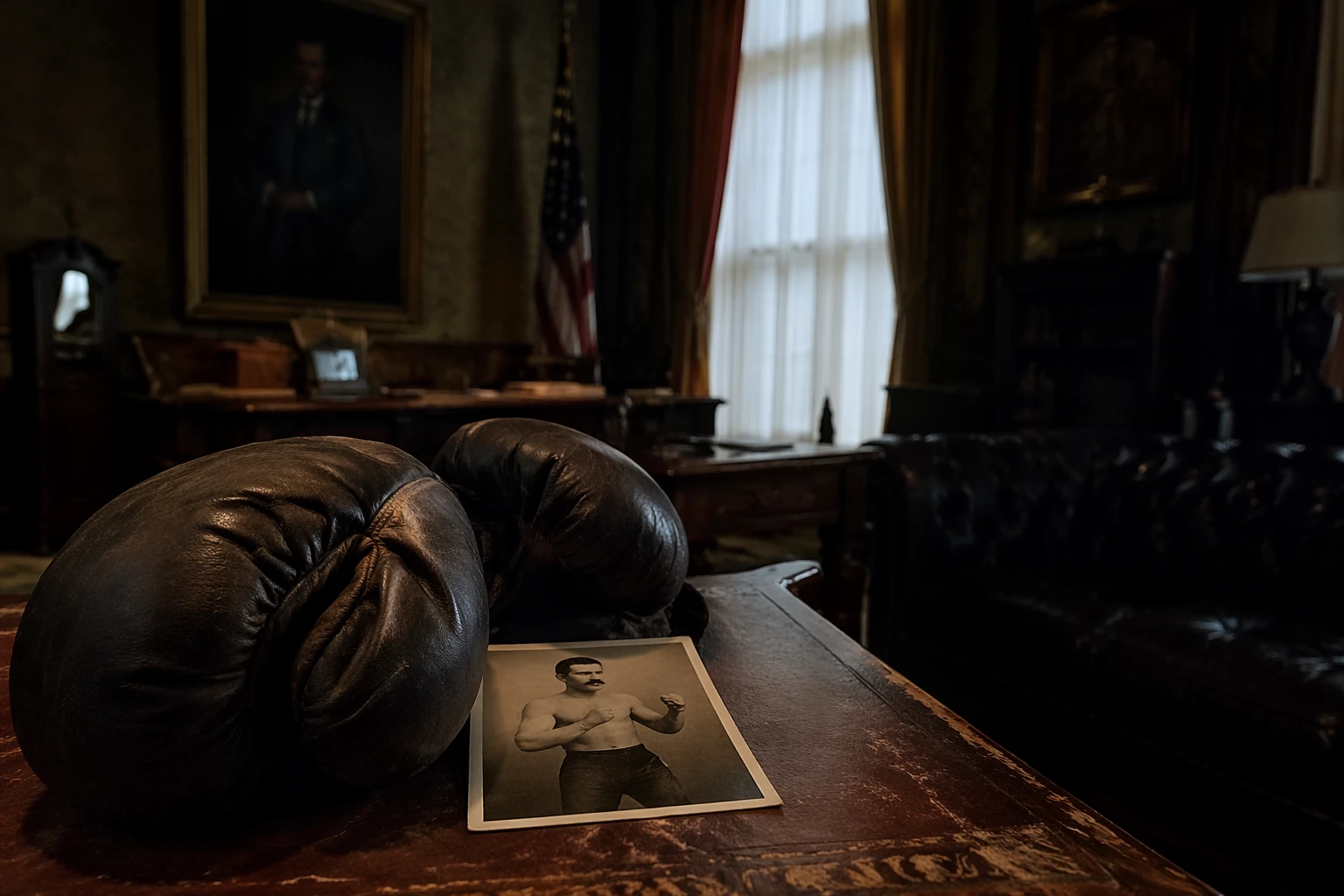
That brand had a private edge. Roosevelt later said he had been blind in his left eye since a boxing match in the White House with his military aide, Captain Daniel T. Moore. Contemporary coverage identified Moore as a young artillery officer, and one report said his blow broke a blood vessel in Roosevelt’s left eye. The injury was not publicly disclosed at the time, which helped preserve the gap between the president’s public mythology and the damage he was carrying behind it.
Later medical commentary has said the injury was likely a detached retina caused by blunt trauma. Roosevelt remained an avid boxer and sparring enthusiast even after the blow that cost him sight in one eye, a detail that deepens the story rather than softens it. He was not simply projecting strength from a podium. He was testing it in the same rooms where presidential power was exercised.
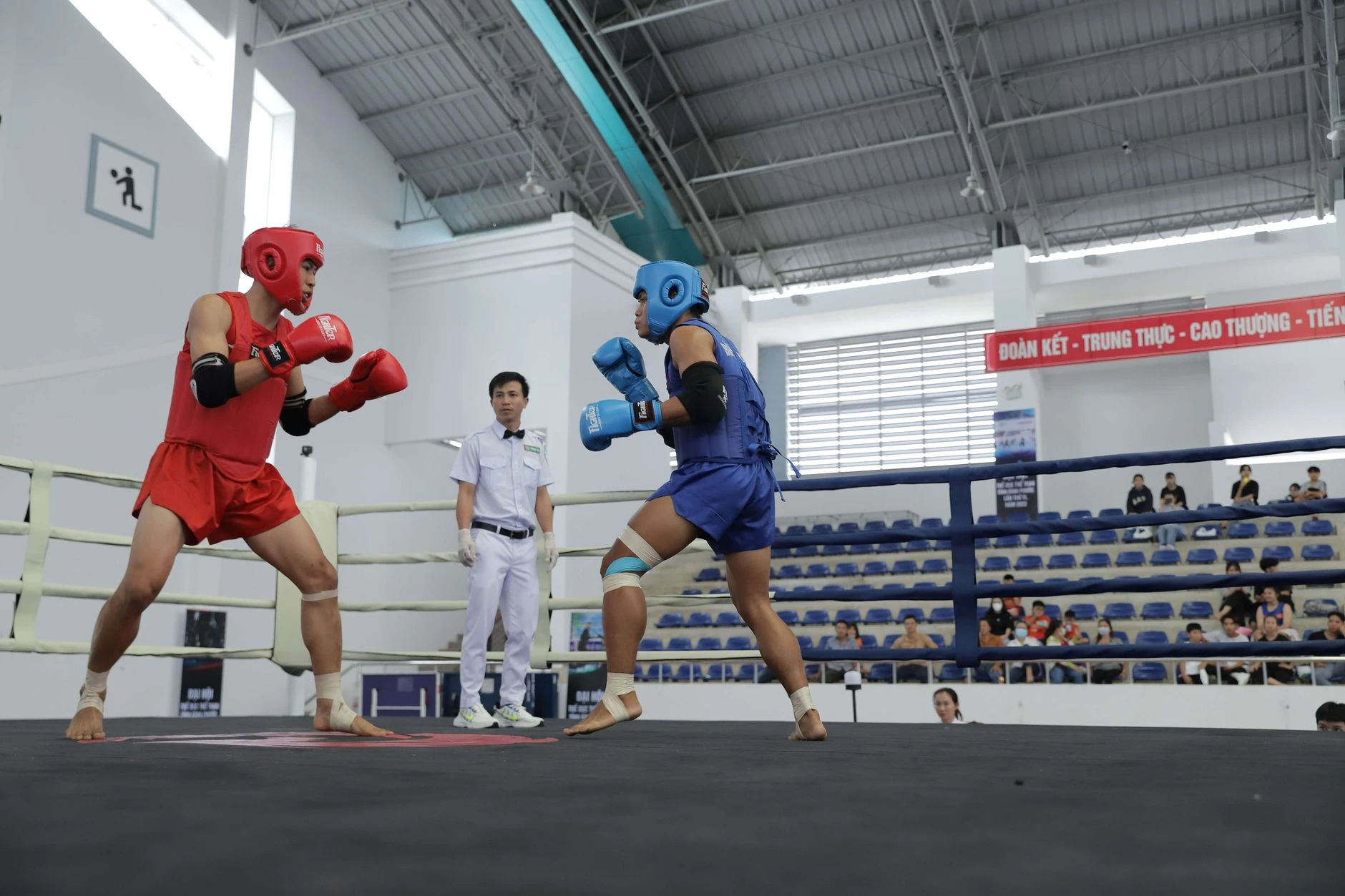
That tension mattered because Roosevelt’s physical style was never just personal theater. His reputation as a strenuous president helped define how Americans understood executive authority in an era of reform and expanding national ambition. The eye injury, long concealed and later folded into the historical record, shows how carefully Roosevelt managed the line between bodily vulnerability and political myth. Even his glasses, preserved in historical imagery and museum records, became part of the visual evidence of a president whose toughness was real enough to cost him sight, and important enough to keep hidden.