Technology
Rosalind Franklin rover test boosts Mars life-detection hopes
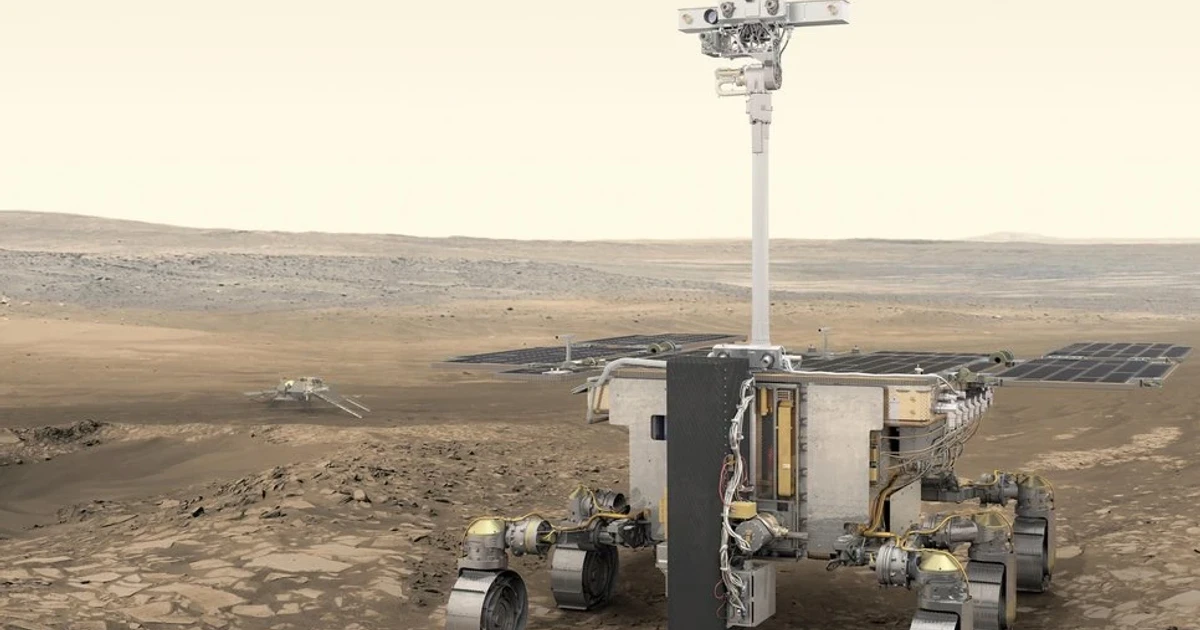
Scientists testing the Rosalind Franklin rover’s onboard lab have shown it can do more than detect organic matter on Mars. In a new trial, the instrument separated and analyzed pristane and phytane, two durable compounds tied to biology on Earth, a result that sharpens the mission’s chances of identifying real biosignatures rather than simple chemical background.
The test centered on MOMA, the Mars Organic Molecule Analyser, which combines gas chromatography, a mass spectrometer, small furnaces and an excitation laser. The system is built to judge whether an organic signal is biotic or abiotic by looking at molecular identification, chirality and isotopic composition. That matters because pristane and phytane, C19H40 and C20H42, can persist for very long periods. If Mars once hosted life, similar compounds could have survived there even after the planet turned colder, drier and less hospitable.
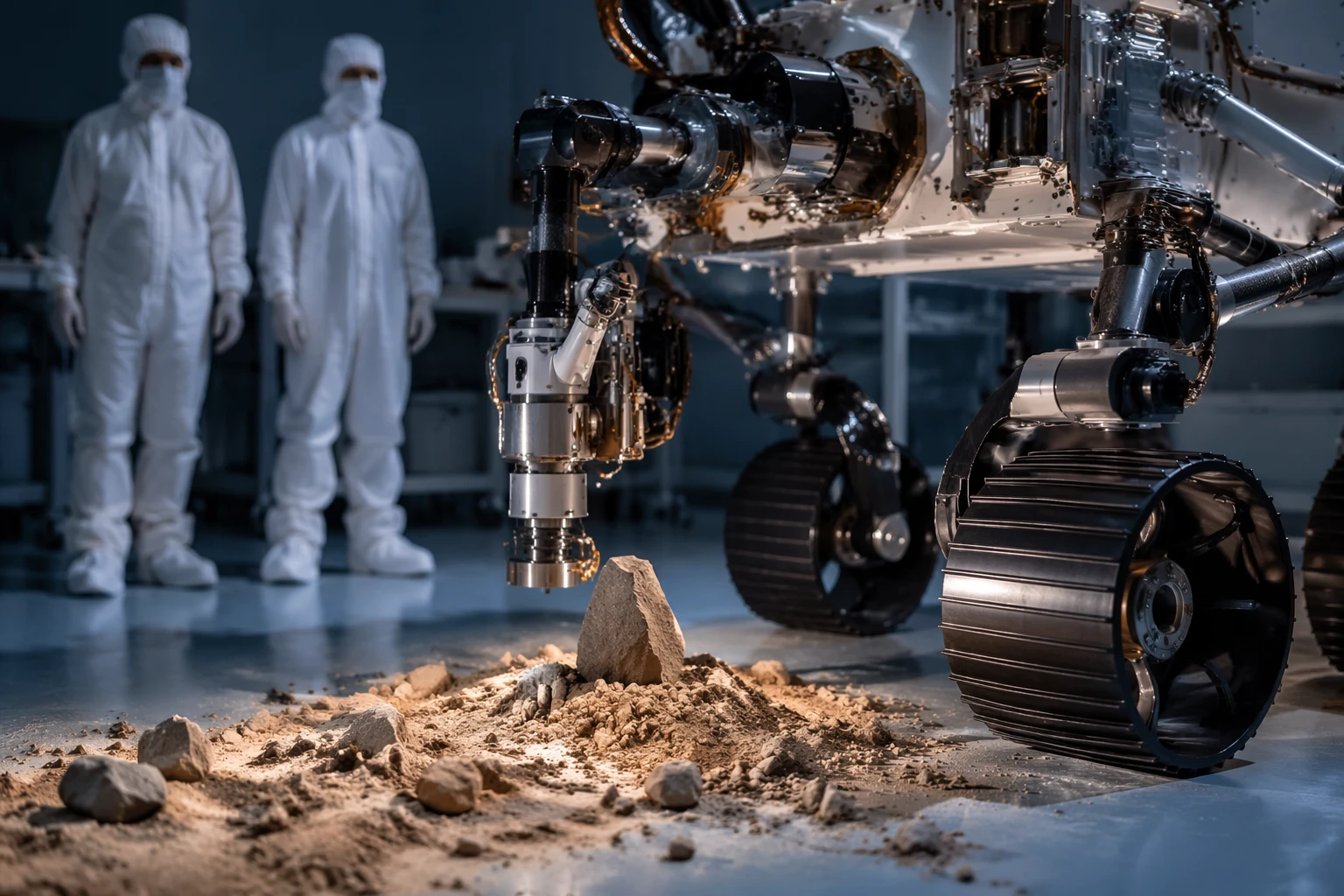
The advance is important because it shows MOMA can separate molecules and read subtle signatures, not merely register that organics exist. Scientists have found organics on Mars before, including with NASA’s Perseverance rover, but none has been definitively linked to life. Organic chemistry alone is not enough. Nonliving processes can make organic molecules too, which is why mission planners are pressing for tools that can examine chirality, the mirror-image handedness of molecules. Living systems tend to favor one form, while nonbiological chemistry often produces both.
The broader lesson is caution, not hype. Planetary science has long wrestled with contamination, and the new work even pointed to the Murchison meteorite, where traces of fossil-fuel-derived material appear to have been picked up as the rock passed through Earth’s atmosphere. That kind of overprint can blur the line between what came from space and what was added later, making rigorous chemistry essential before anyone claims a Martian biological signature.
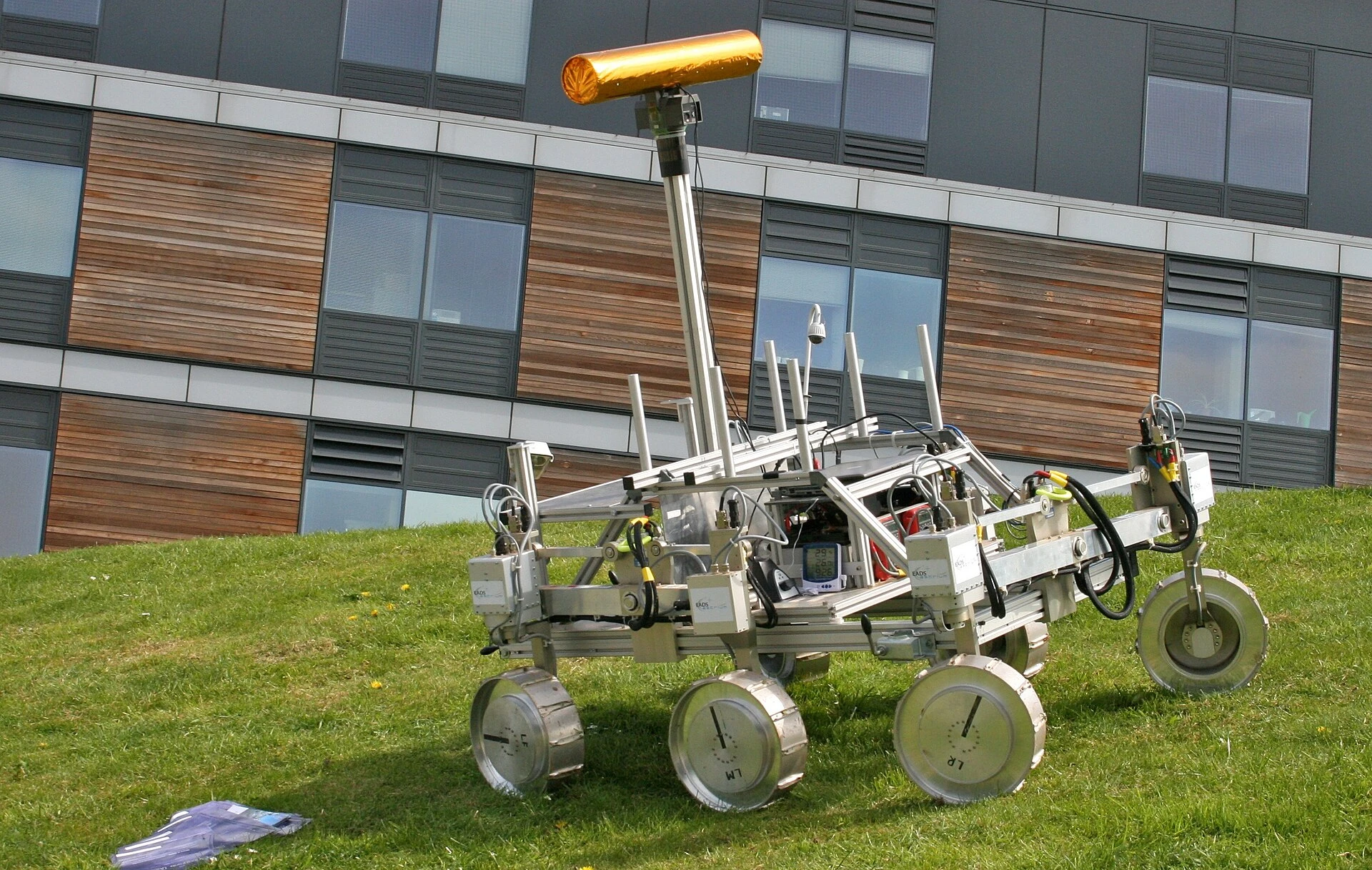
The Rosalind Franklin mission itself is being rebuilt for a later launch after the ExoMars rover was suspended in March 2022 and reworked after NASA rejoined the project in March 2023. ESA now plans a 2028 launch and a 2030 landing at Oxia Planum, a clay-rich site chosen in 2018 for evidence that water once flowed there. The rover is designed to drill as deep as two meters below the surface, where radiation and temperature swings are less severe, and its descent and landing are expected to take about six minutes. The latest test gives mission planners more confidence that the rover’s chemistry lab can do the hardest part of the job: separate true planetary signals from noise.
Sources
- [1]sciencenewstoday.org
- [2]mpg.de
- [3]eurekalert.org
- [4]esa.int
- [5]cnes.fr
- [6]mps.mpg.de