World
Rubio announces Israel-Lebanon framework agreement for lasting peace
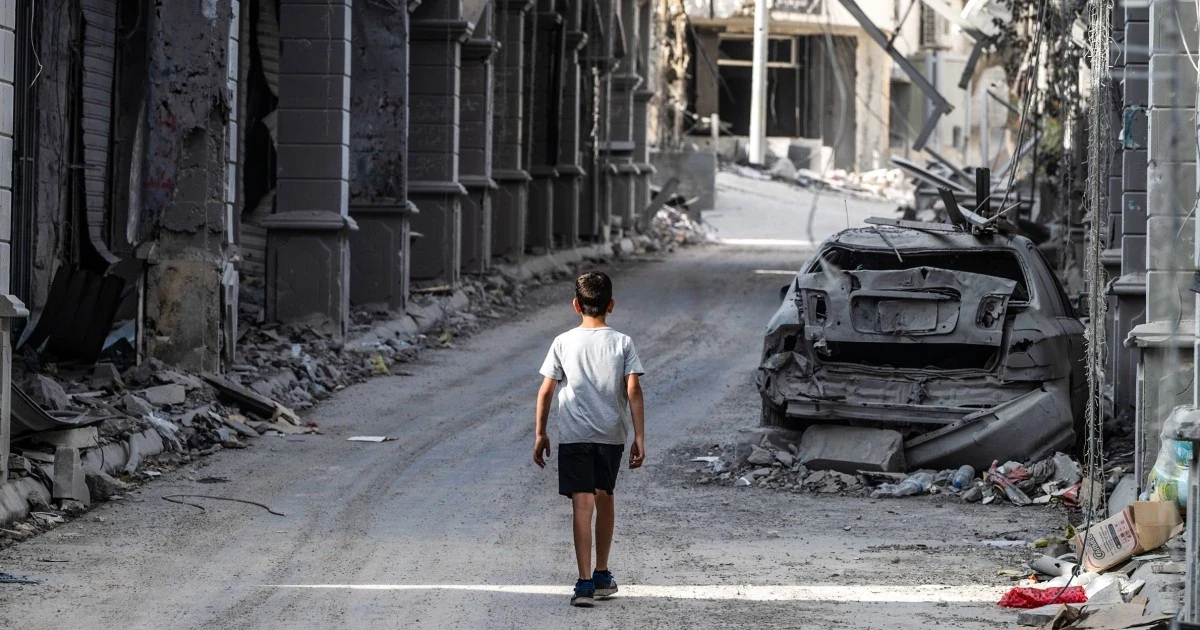
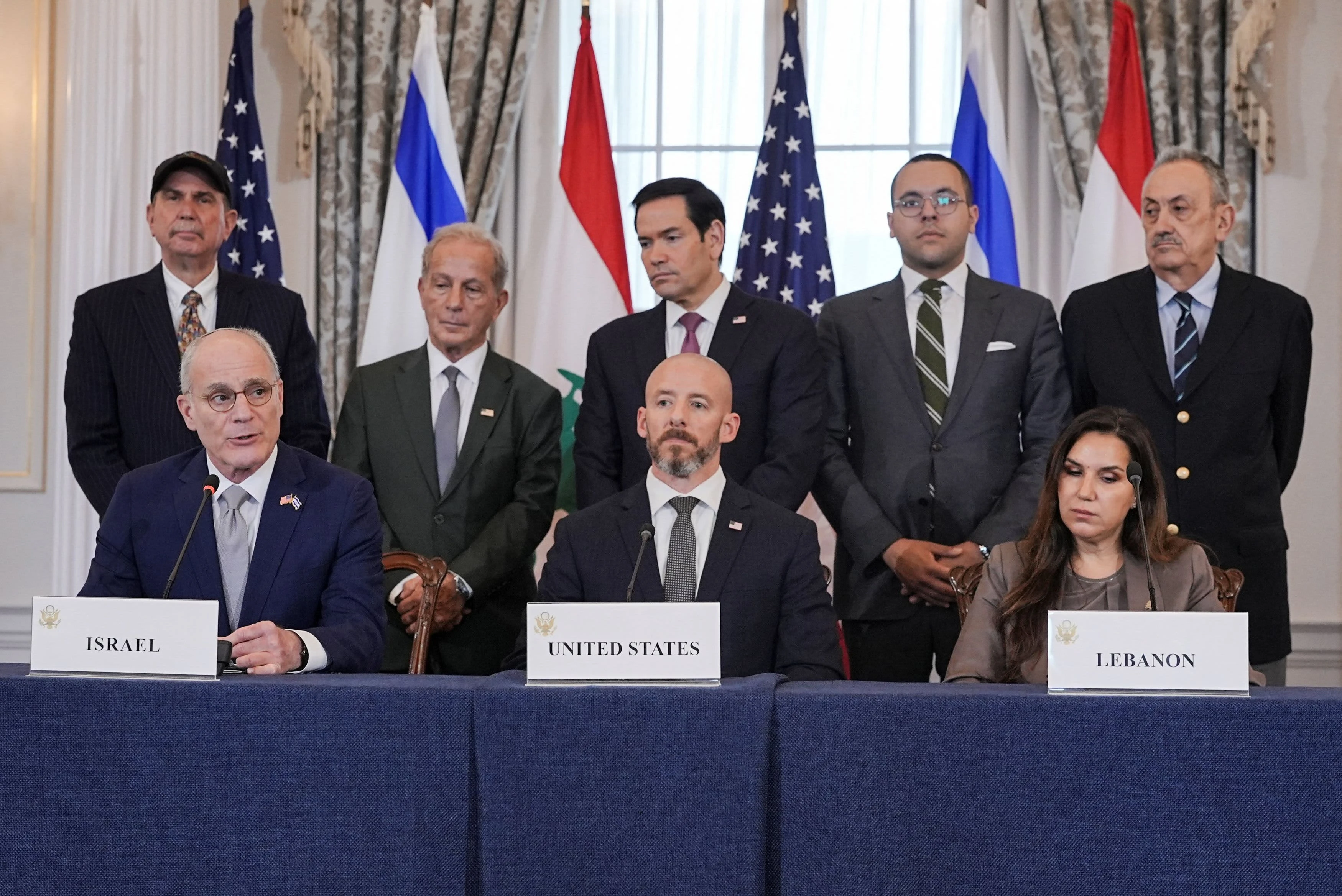
Secretary of State Marco Rubio on Friday announced a framework agreement signed by the Israeli and Lebanese ambassadors, presenting it as an early step toward lasting peace after months of fighting tied to Hezbollah. Yechiel Leiter, Israel’s ambassador to the United States, and Nada Hamadeh Moawad, Lebanon’s ambassador to the United States, signed the agreement in Washington, but officials disclosed no substantive details of the text.
The announcement built on a sequence of U.S.-facilitated talks that began on April 14, 2026, when the State Department said the United States hosted the first major high-level engagement between Israel and Lebanon since 1993. Two weeks later, on May 14 and 15, the two sides agreed on a framework for negotiations covering lasting peace, mutual recognition of sovereignty and territorial integrity, and security along their shared border.
That framework was followed by a June 2 and 3 meeting, which the State Department described as the fourth high-level trilateral session. At that session, the United States said Israel and Lebanon agreed to implement a ceasefire contingent on a complete cessation of Hizbollah fire and the evacuation of Hizbollah operatives from the South Litani Sector. The State Department said the arrangement was part of U.S.-led negotiations intended to move the parties toward a more durable settlement.
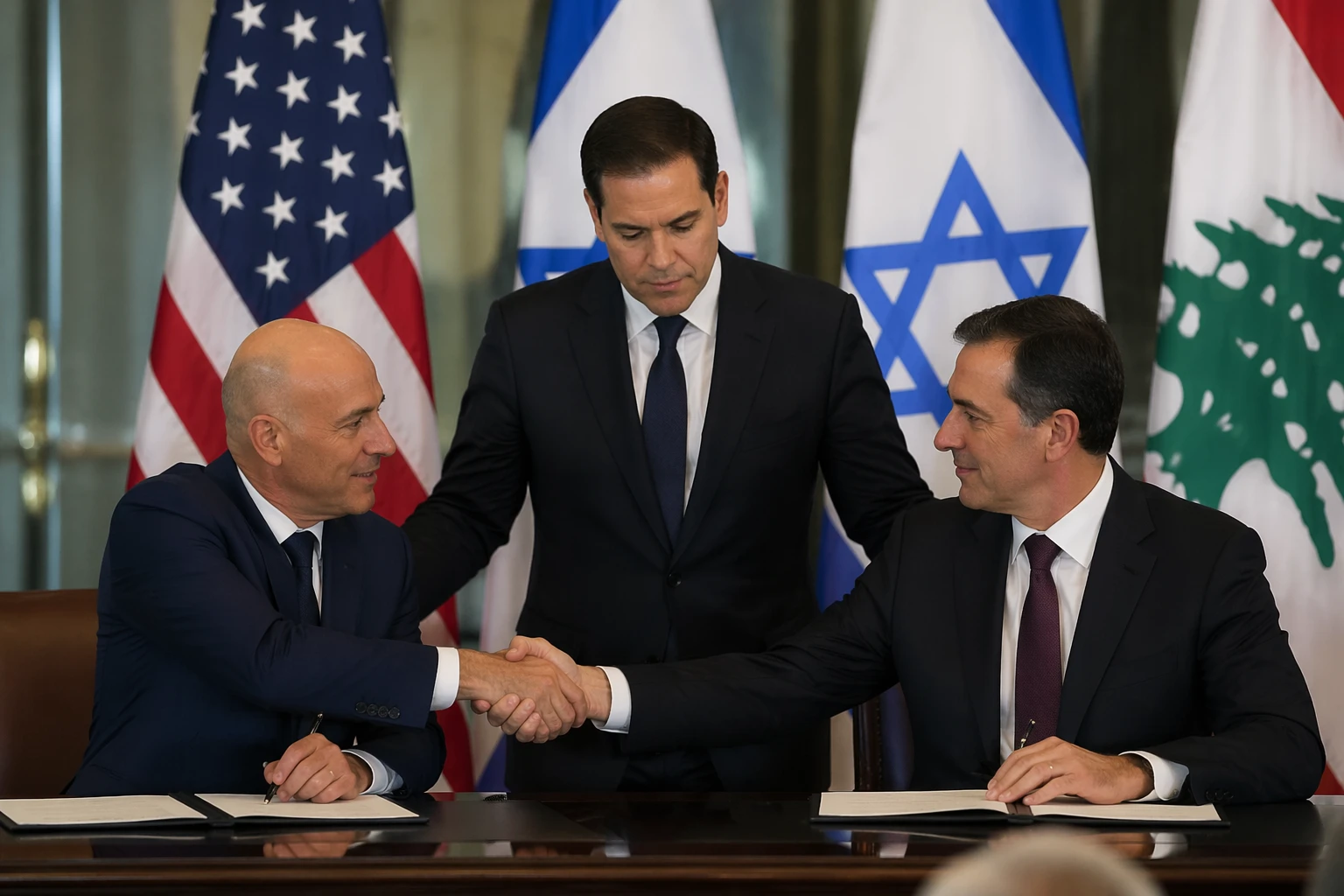
Rubio said the talks were aimed at “lasting peace and security,” but added that there was “a lot of work ahead.” In a separate remarks to the press, he said, “The problem is Hizballah,” underscoring the central obstacle U.S. officials have identified throughout the negotiations.
The structure of the deal leaves its hardest questions unresolved. Israel, the United States, and others view Hezbollah as an Iranian-backed militant organization, and officials have repeatedly framed the group as the main barrier to a lasting agreement. The ceasefire arrangement depends on conditions that cannot be enforced by a signature alone: ending Hizbollah fire, removing its operatives from the South Litani Sector, and keeping border talks alive long enough to translate the framework into a functioning security arrangement.
For now, the agreement is less a peace settlement than a managed opening, with much of its weight resting on sustained U.S. mediation and whether both governments can keep moving through the next phase without renewed fighting.
Sources
- [1]nbcnews.com
- [2]state.gov