World
Rubio Comments on Iran Talks, Rejects Strait Toll Proposal
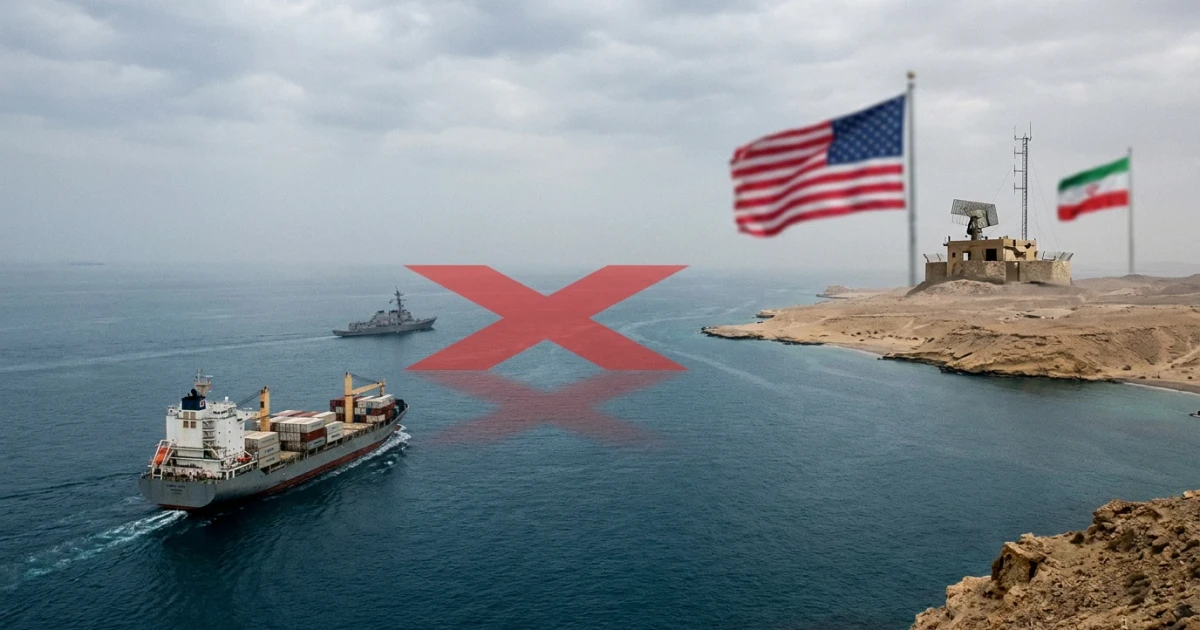
Senator Marco Rubio has described the recent Iran peace talks as showing "slight progress," while firmly rejecting proposals for a "tolling system" in the Strait of Hormuz. The remarks come amid ongoing diplomatic efforts to ease tensions in the region, with multiple stakeholders expressing concern about potential disruptions to global oil transit.
Rubio’s Assessment of Iran Peace Talks
According to CBS News, Rubio commented on the status of negotiations between the United States and Iran, stating that while there has been some movement toward compromise, the talks remain far from a final agreement. The senator's cautious optimism reflects the complexity of the issues at stake, including security guarantees, sanctions relief, and regional stability.
Strait of Hormuz Tolling System Proposal
The proposed "tolling system" would require commercial vessels—especially those transporting oil—to pay fees for passage through the Strait of Hormuz, a critical maritime chokepoint. Rubio dismissed the idea, arguing it would threaten the freedom of navigation and potentially destabilize global energy markets. The Strait is responsible for the transit of approximately one-fifth of the world’s oil and is considered vital for international trade.
- The Strait of Hormuz handles more than 20% of global oil shipments, according to UNCTAD data.
- Any disruption or additional costs imposed on transit could impact oil prices and supply chains worldwide.
Regional Developments and International Response
CBS News also reported that Pakistan's army chief was headed to Iran, signaling renewed diplomatic engagement from neighboring countries. The United States has cited progress in talks, but remains wary of unilateral moves by Iran that could impact maritime security. The Council on Foreign Relations notes Iran’s history of leveraging its strategic position in the Strait during periods of heightened tension.
International observers warn that imposing a toll could set a precedent for other maritime chokepoints, such as the Suez Canal or the Malacca Strait, potentially raising costs for global shipping industries.
Sanctions and Security Concerns
Sanctions remain a central issue in negotiations, with the UN Security Council maintaining sanctions against Iran due to concerns over its nuclear program and regional activities. Rubio’s rejection of the tolling system aligns with the broader U.S. stance emphasizing free navigation and opposition to measures that could further isolate Iran or escalate tensions.
Analysis and Outlook
While Rubio’s comments reflect incremental progress in diplomatic engagement, the impasse over the Strait of Hormuz toll proposal highlights the persistent challenges in reaching a comprehensive settlement. The strategic importance of the Strait ensures that any policy change has far-reaching consequences for global oil transit and security. As talks continue, regional actors like Pakistan are stepping up their involvement, suggesting a multi-faceted approach to peace and stability in the Middle East.
Going forward, observers expect negotiations to focus on balancing Iran’s economic interests with international demands for free maritime passage. The outcome will likely shape energy markets and regional security for years to come.