World
Rubio rejects Iran toll plans for Strait of Hormuz
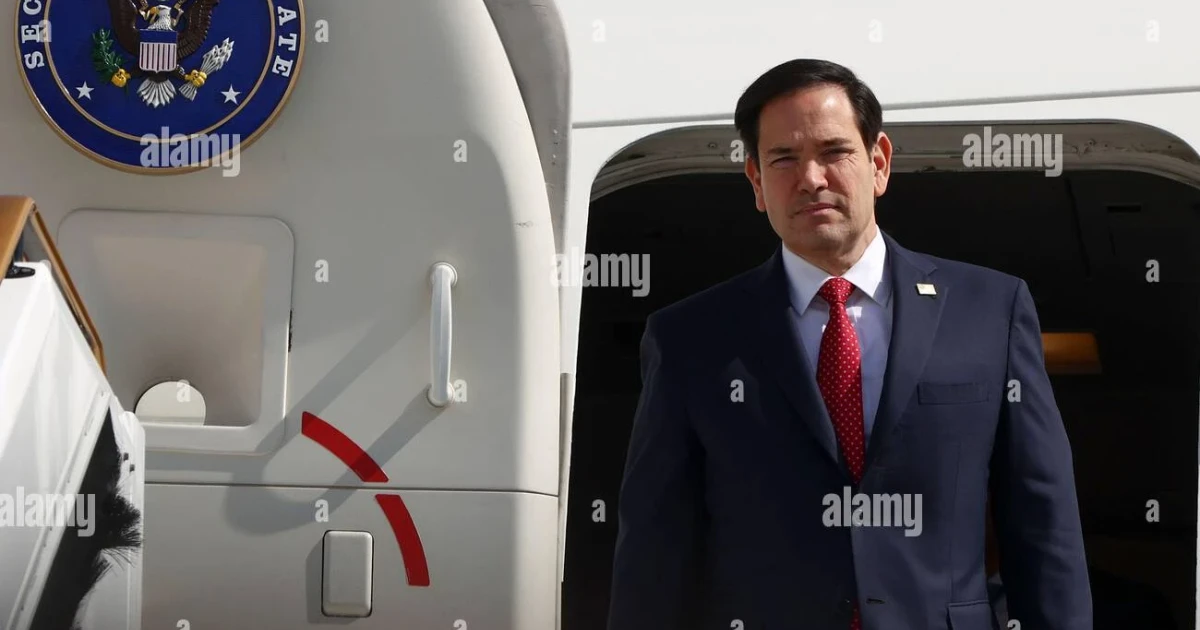
Any attempt to charge ships for passage through the Strait of Hormuz would ripple far beyond the Persian Gulf, pushing up oil prices, shipping insurance and eventually gasoline costs for Americans. Marco Rubio said the idea had no legal basis, arguing that “no country” can charge tolls or fees on an international waterway and that such an arrangement would violate international law.
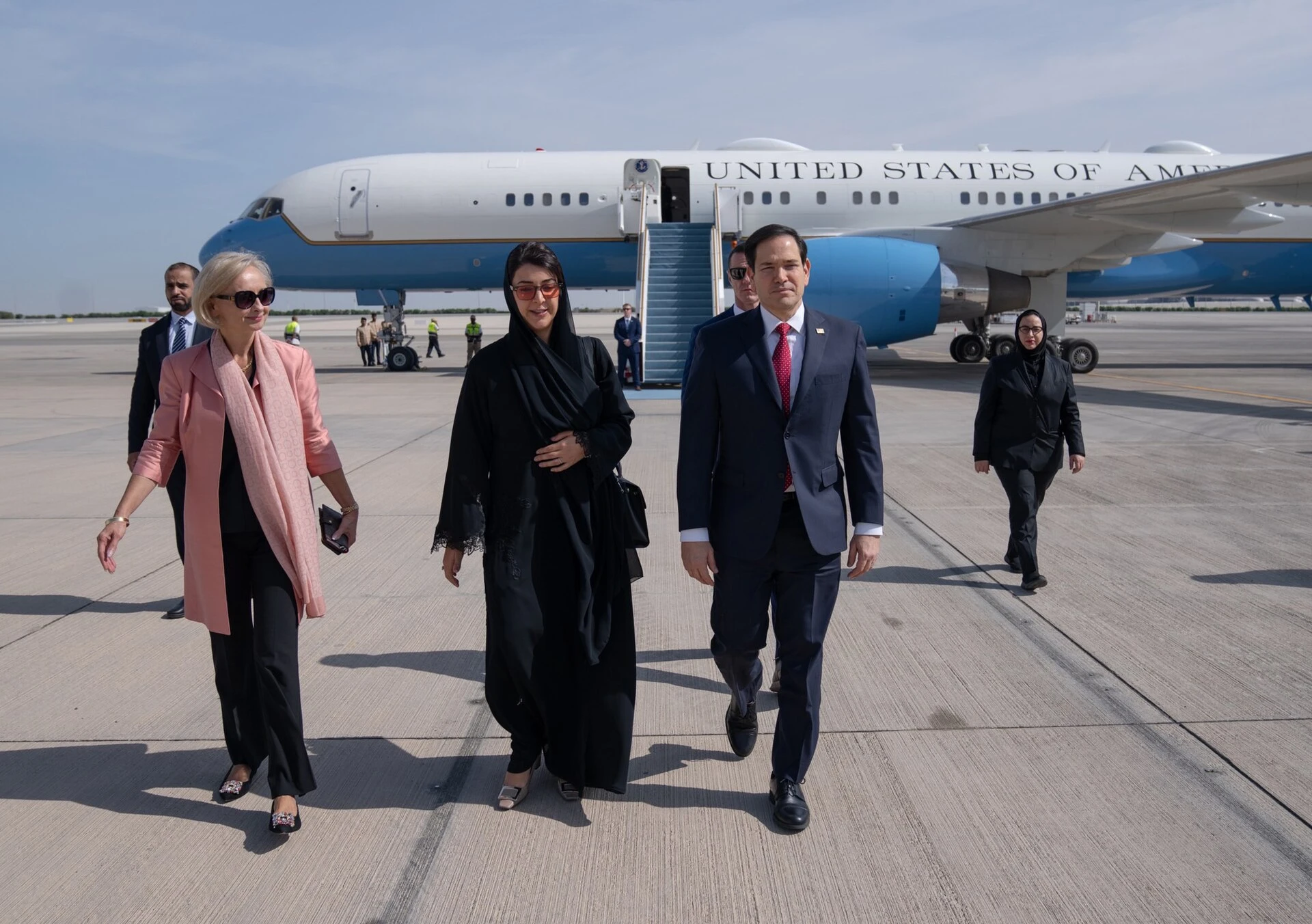
The secretary of state made the remarks as he arrived in the United Arab Emirates on the first leg of a Gulf tour that also included Kuwait and Bahrain. The trip was meant to steady U.S. partners after a framework deal between the United States and Iran aimed at reopening the waterway, whose security has repeatedly shaken energy markets.
The Strait of Hormuz is the narrow shipping lane between Iran and Oman that links the Persian Gulf with the Gulf of Oman and the Arabian Sea. It carries about 20% of global seaborne oil trade and roughly a quarter of global liquefied natural gas trade, giving any disruption immediate leverage over global energy costs and the premiums tankers pay to move through the region.
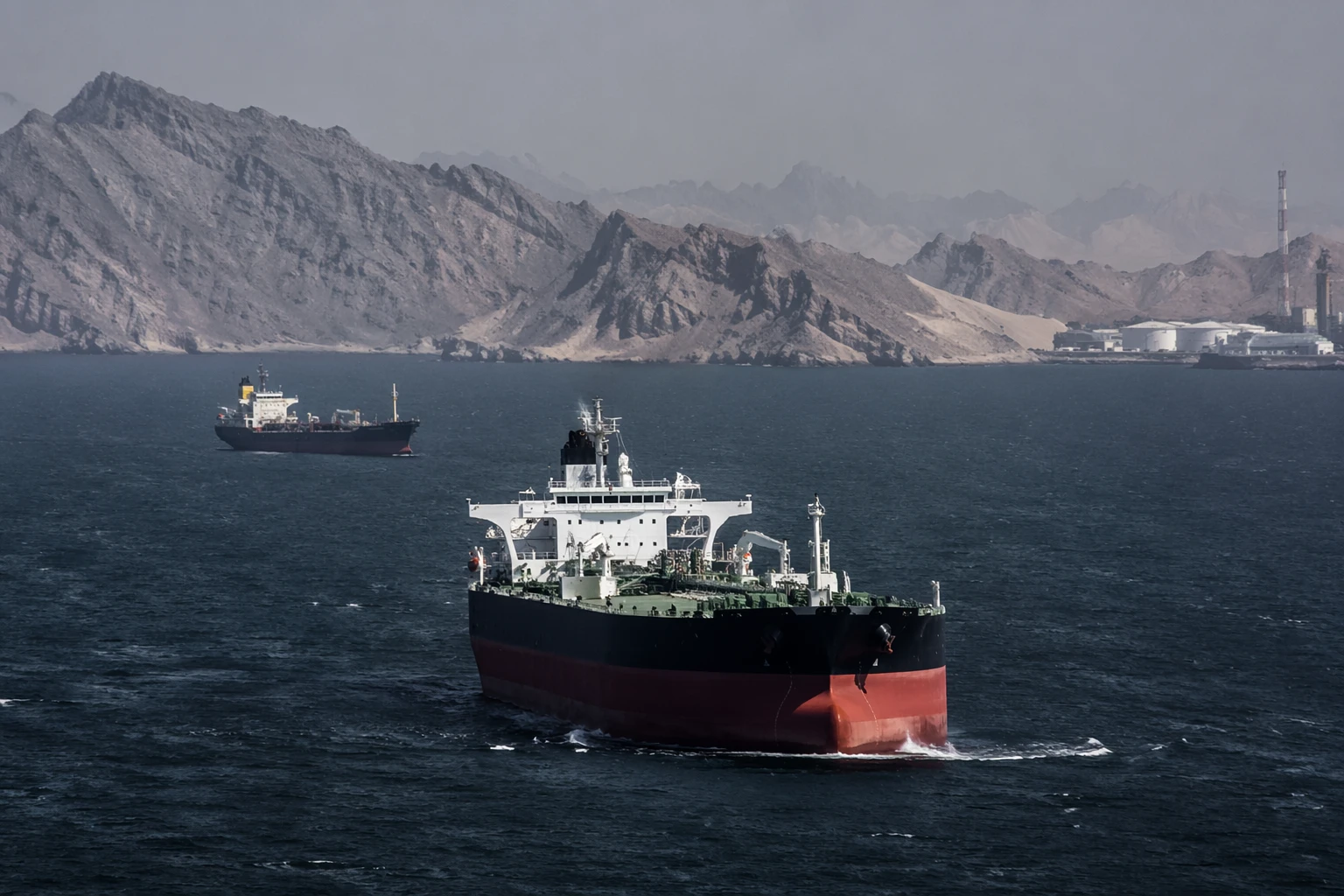
Iran and Oman said they would keep talking about navigation in the strait and the “costs associated” with it, keeping alive a dispute over whether Tehran can impose any kind of transit charge. The legal fight turns on the United Nations Convention on the Law of the Sea, which says the regime of passage through straits used for international navigation does not change the legal status of those waters and leaves bordering states with sovereignty only within that framework.
The broader stakes are economic as much as legal. Oil and LNG tankers have already resumed some traffic through Hormuz, but market confidence remains fragile after days of disruption, and shippers in Asia and Europe say it could take weeks to rebuild. United Nations efforts have also been underway to help organize the evacuation of seafarers stranded in the Persian Gulf.
The immediate question is whether Iran can turn a strategic chokepoint into a source of revenue without triggering a wider legal and commercial backlash. If a charge is accepted in Hormuz, other states controlling critical sea lanes could press for similar payments, raising the cost of global trade and testing how much force international maritime law still carries when energy flows are on the line.
Sources
- [1]nytimes.com
- [2]english.aawsat.com
- [3]pbs.org
- [4]un.org
- [5]usnews.com
- [6]firstpost.com
- [7]rferl.org
- [8]msn.com